















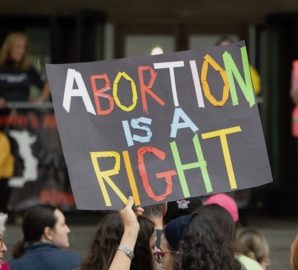
Three proposed measures would establish a right to abortion in their states, while one is intended to repeal an established state constitutional right to abortion.
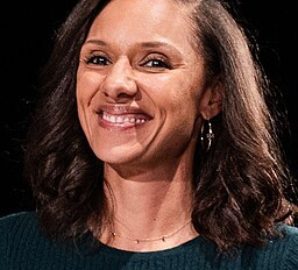
Can women’s historic wins bolster efforts to meaningfully improve the lives of women, girls, and gender-expansive people?
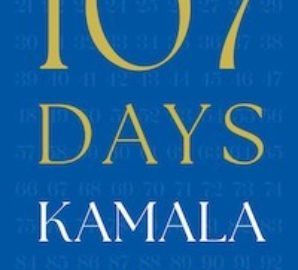
Harris’ memoir of the 2024 election shows how unfree she was both as vice president and as Democratic presidential nominee.
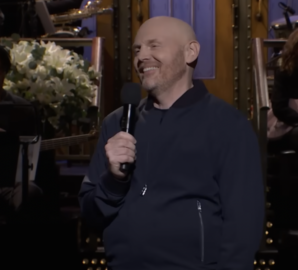
Saturday Night Live, a cultural mainstay that has offered healing and hope at pivotal moments of national crisis, chose instead to rub salt in the wound in its first post-election episode.
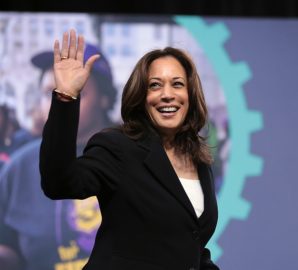
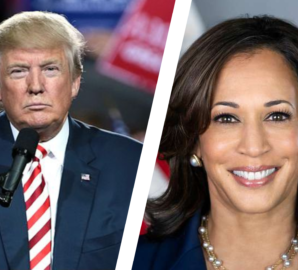
There are 16 million eligible Latina voters in the United States.
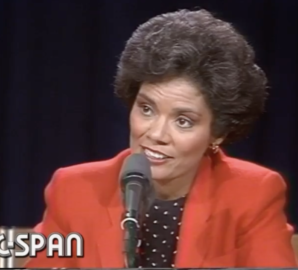

The nation is expected to make herstory in June when one of two leading women candidates will be elected.
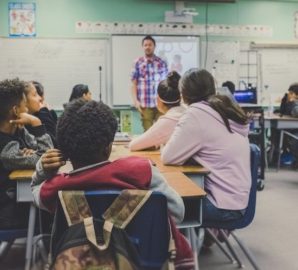
I will be a first-time voter in the 2024 presidential election, and I hope that I will be able to see other members of my generation who are of age at the polls, informed about current issues, and filling out ballots with confidence.

Brazilians were able to celebrate the election of many candidates from more diverse, just, and feminist backgrounds.
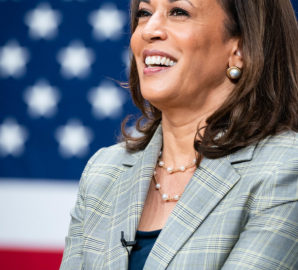
More than 100 women have run for president, and each one widened the possibilities of what a presidential candidate looks like.

Reporters spend a lot of time focusing on the Christian right but ignore the masses of us committed to a ministry of justice.

As some media moved to put a box around the Latino vote, activists, leaders and journalists pushed back.
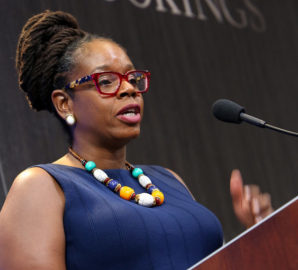
Campaigning during the pandemic has forced candidates to innovate and improvise.
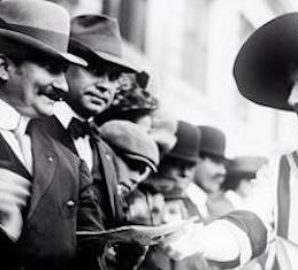
Media coverage surrounding the 100th anniversary of 19th Amendment, observed this week, offers deeper and more nuanced understanding of the suffrage movement.
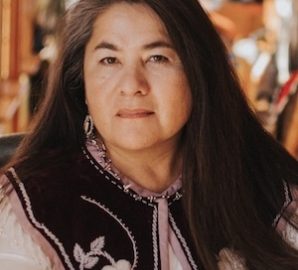
The 19th Amendment didn’t secure the right to vote for Native American women, despite their strong influence on suffragist ideas.
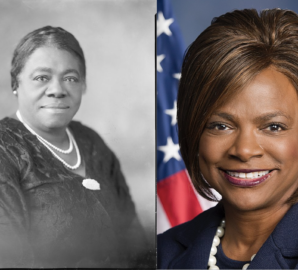
Despite the unfulfilled promise of the 19th Amendment, Black women have traveled an impressive distance over the last century, and continue to exert outsize political influence.
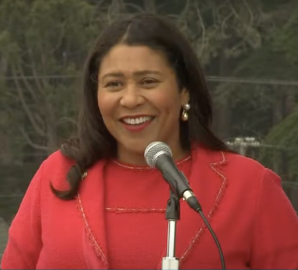
Wider implementation could help change the dramatic underrepresentation of women in elected office at every level.
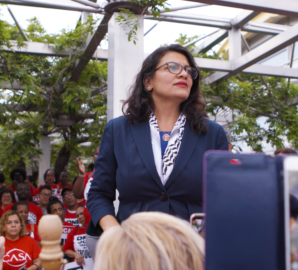
The docuseries, And She Could Be Next, shows that women of color are “changing what the face of leadership looks like” in the United States.

We must acknowledge that sexism in U.S. politics poses a pernicious threat to restoring political and social justice.

Research shows that social media exposes female politicians to online abuse, but it also enables them to engage directly with their constituencies without the bias of mass media.

Activist Renee Bracey Sherman started the hashtag #AskAboutAbortion after moderators continuously failed to raise the subject. She recently told the FBomb about what needs to change in the national dialogue about abortion and what debate-watchers should look for in the future.

Of the many topics about which moderators asked the Democratic candidates during the second round of debates on July 30 and 31, two crucial ones were noticeably absent: reproductive and disability rights.

As I watched the mainstream media cover this day this year, I noticed that hardly any mentioned the female leaders of a famous 1990 protest.

“The take-home message is clear: We need more women in office to solve our environmental challenges,” said Fern Shepard, the president of Rachel's Network, which issued the new report.