















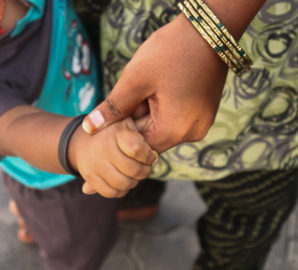
Isolated agrarian communities in the Indian state of Tamil Nadu were hard hit by the pandemic, experiencing increased poverty, the diversion of savings toward healthcare, and prolonged illness, forcing families to pull their daughters out of school and marry them off. Years later, attendance rates haven't recovered, and child marriages haven't subsided.
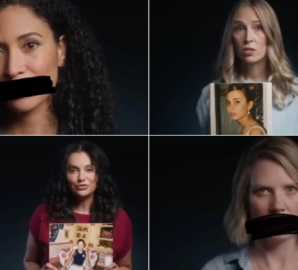
In addition to releasing the viral video, the group of survivors are demanding action from Attorney General Pam Bondi as well as backing new proposed legislation to facilitate legal accountability for perpetrators.
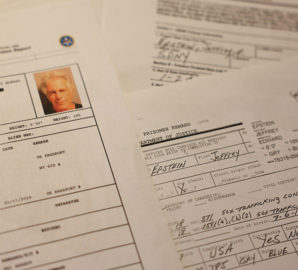
What will it take to prioritize women’s dignity and safety over defending the disclosure — on purpose or through reckless error — of private information?
When Egyptian feminist group Speak Up announced a partnership with Pornhub—the world’s largest website for adult content—to rapidly identify and remove non-consensual content, it received immediate backlash. Are its efforts meeting the reality of sextortion in the country, or normalizing a platform that has often hosted non-consensual and illegal content?

The federal Office for Civil Rights has closed offices, abandoned many Title IX complainants, and opened investigations that align with the current administration’s political priorities. Students in need of redress must turn to alternative routes to demand accountability.

Two high-profile murders were among at least 21 femicides across Kenya in January, but amid the nation’s shock and outrage, media, members of the public, and even parliamentarians (including women) excused the murders by maligning the women as “slay queens” putting themselves in harm’s way for social media clout.
Like all crimes, sexual violence must be understood within the broader context in which it occurs.

War has been raging for 11 months in Sudan. Amid the horrific wave of violence that has led many people to flee West Darfur, women and girls have described being raped, beaten, detained, and forced to witness the killings of loved ones by groups of armed men.

There is plenty of warranted criticism of the New York Times investigation into sexual violence on October 7, but for all the exposé’s ethical shortcomings, its greatest failure was its lack of consideration for the safety, trauma, and dignified treatment of the victims.

The global attention of the #MeToo movement prompted the aid sector to acknowledge its own #AidToo crisis, but, half a decade later, the spotlight has dimmed, and sadly, the aid sector has seen minimal substantive changes.

After nearly two years since the Russian invasion of Ukraine, the unchecked exploitation of Ukrainian women abroad — who are still displaced in different European countries, as well as internally, in Ukraine — is poised to create a crisis of sexual abuse and sex trafficking.

A Colombian peace court is opening a new legal case that could bring justice for the first time to thousands of victims of gender-based crimes committed by the FARC and the military during decades of bitter conflict.

When thinking about the experiences of survivors, it is easy to imagine a level of finality, implying the hard part is over, and it is now time to move on. But it is not.

While India is one of the few countries yet to criminalize marital rape, the high court recently ruled that victims of marital rape are entitled to a safe and legal abortion, establishing in Indian law that non-consensual sex can and does exist among married partners.

On August 15, as India was celebrating the 75th anniversary of its independence, 11 men convicted of gang-raping a Muslim woman in 2002 were granted premature release from their life sentences.

In the Philippines, there aren't enough resources to go around to support a coordinated strategy against child sex trafficking in online spaces.

Caught in the throes of overlapping social and economic crises, women in Venezuela there have almost no resources to protect themselves or their children from harm. Violence against women and girls — including incest — remains prevalent, and invisible, throughout the country.

In August, the Spanish congress passed a law that reframes the importance of consent in cases of rape and sexual assault, joining countries like Canada, Sweden, and Denmark with similar laws.

Survivors of brutal violence by Islamic State militants played a central role in advocating for reparations from the Iraqi government that failed to protect them, and though they question its ability to implement a reparations program, they have little choice but to hope.

Indonesia’s fight against sexual violence welcomed a long-waited new chapter this week when its Parliament passed a landmark bill aimed at providing legal framework for victims to seek justice.

International Women’s Day marches mark how feminist movements have exploded across Mexico, as elsewhere in Latin America — a region with some of the highest rates of sexualized violence in the world.

In a landmark case for justice in Guatemala, five former paramilitary soldiers were convicted by a special tribunal of crimes against humanity for sexualized violence committed against five indigenous Maya Achí women during the country’s 36-year internal armed conflict.

Camps for internally displaced persons in conflict-rift states in Nigeria have been known to provide fertile ground for trafficking.

“Because We Are Girls” follows the story of three sisters on their journey to heal from the long-buried trauma of childhood sexual abuse decades before.

Royal Bahamas Police Force report that during the pandemic, more teenage girls have gone missing than in years past, and activists say it is part of a larger pattern of abuse.