















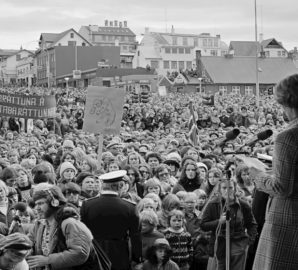
The film has been screening at embassies around the world to commemorate the 50th anniversary of the women’s strike, offering inspiration to feminists internationally.
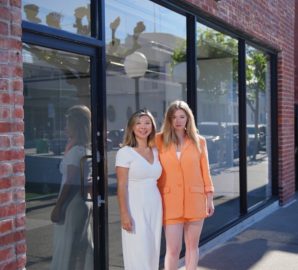
A new exhibition seeks to resist the erasure of women’s achievements in the arts and to reclaim “the rightful place of women in art history.”
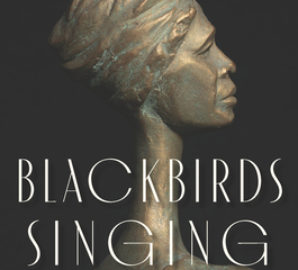
A new book, “Blackbirds Singing,” offers a collection of speeches and quotations from African American women who have fought back against their words being distorted, trivialized, and ignored.

When we discount the role of women speakers in U.S. history, we lose out on the diverse mix of voices and views that got us to this point — and we miss out on the knowledge of an inspirational past.

The documentary Nothing Compares provides a necessary reassessment of the Irish singer’s legacy.

In 1962, the Environmental Protection Agency did not yet exist, there was little public awareness about environmental issues, and corporate polluters practiced unfettered use of pesticides with little regulation.

Elsie Robinson was once the most famous American newspaper writer, but she, along with many other notable women, has been all but forgotten.

Suffs, at the Public Theater in New York, does not shy away from the darker aspects of the suffrage movement, including conflicts among women.

Sculptor Amanda Matthews created the Girl Puzzle monument honoring Bly and dedicated to women whose histories are absent in public art.

The filmmakers who created the Emmy-winning RBG turn the spotlight on the chef and author who was “deceptively groundbreaking and culturally important.”
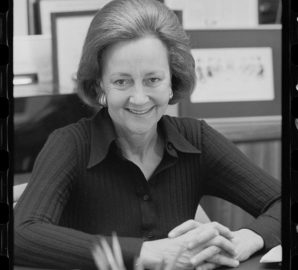
The New-York Historical Society exhibition traces the life of the “staunch, If discreet, feminist.”

The author, Wells’ great-granddaughter, aims to introduce the journalist, activist, and anti-lynching leader “to a younger generation and other people who might not be as familiar with her life.”

When Justice Ruth Bader Ginsburg died on September 18, so many women didn’t just mourn the loss of an amazing person, but also the loss of a historic fighter for gender equity.

On the 100th anniversary of the ratification of the 19th Amendment, the long-awaited Women’s Rights Pioneers Monument was unveiled in New York City’s Central Park.


These recent works by Black women historians challenge conventional narratives of the history of the United States.

To this day, feminist zines are still a considerable presence in the zine universe.

2020 will mark the centennial of women getting the right to vote — and we have a lot to celebrate. But there is still room for improvement.

In her posthumous memoir, Edie Windsor details her vivacious sex life and in the process shatters stereotypes not only about lesbians but about older women in general.

It’s important for History.com to not only add more videos and audio that feature women who made a difference in history, but specifically to let these women use their own voices to tell their stories whenever possible.

This month is a good time to recognize the urgency of questions about what it means to be a woman.

On the surface, the Netflix hit GLOW is a show about the making of a show — specifically, the 1980s TV show “Gorgeous Ladies of Wrestling” (G.L.O.W.) that inspired the series. But beneath this plot lies a far more interesting exploration of women’s experiences in the entertainment industry, and in the world at large, in the 1980s through a modern lens.

Feminist writer Allison Yarrow seeks to answer that very question in her new book 90s Bitch. Yarrow talked to the FBomb about how and why this “bitchification occurred,” as well as its implications for current and future generations of feminists.

We must be intentional about preventing the erasure of black women’s history.