















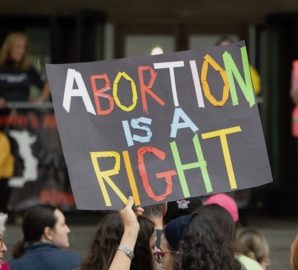
Three proposed measures would establish a right to abortion in their states, while one is intended to repeal an established state constitutional right to abortion.
Misinformation and false claims about the safety of abortion are proliferating and becoming key components in legislation, litigation, and regulatory policy.

Maternal care depends on continuity. Continuity depends on recognition. And recognition depends on whether women’s reproductive lives are fully integrated into the systems responsible for their health.
“I planted abortion pills across Malta. Here is why.”

Moms.gov is not about mothers or health, but about promoting the administration's pet policies on women.
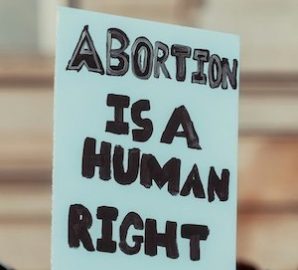
Lessons from movements in other countries can help activists in the United States mobilize to expand access to reproductive rights and care.

New tools are helping to fill a critical gap in information and education about sexual and reproductive health and rights.

A proposed rule change would bar Veterans Administration health care providers from offering abortion counseling and referrals.
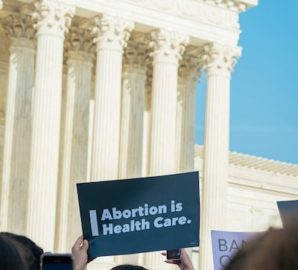
June 24 marks the third anniversary of the Supreme Court decision overturning Roe v. Wade. Three years on, as legislatures in some states impose severe restrictions, advocates and providers are fighting to keep abortion accessible.
In November, Missouri voters passed a constitutional amendment protecting abortion rights. But anti-abortion lawmakers have been working ever since to find a way to ban abortion once again.

Anti-abortion extremists are trying to revive an antiquated 19th-century law to block access to abortion, but new proposed legislation would weaken the law’s effect.

Contraceptives will be distributed freely to rats but will remain unavailable to New York City residents

Seven U.S. states have passed new ballot initiatives to protect abortion rights, but access still looks different in each of those states.

Women who are under state supervision in places with abortion bans often have to get approval from officials to access care in other states.

A network of 47 midwives across Mexico is stepping in to provide essential prenatal care to pregnant migrants along their journey north.

This past spring, Brazilians mobilized to stop an abortion ban and guarantee a right that was first secured nearly 85 years ago.
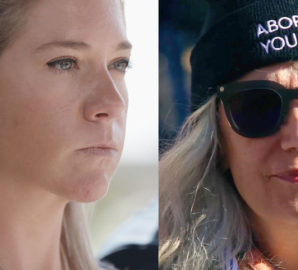
The films, released during the 2024 election campaign, take very different approaches to explore the consequences of the overturning of Roe v. Wade.
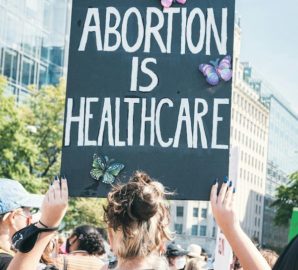
People who are marginalized on the basis of race, gender, gender identity, disability, socioeconomic status, and other factors need policies to support our ability to make decisions about our own reproductive lives.
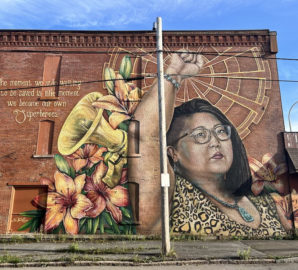
State actions to deny access to abortion show the same patterns of coercive control that women experience in domestic violence.
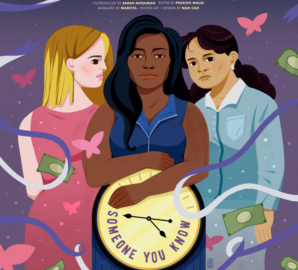
“Someone You Know” is a timely new short documentary that follows the stories of three women who underwent late-term abortions.

The Dobbs v. Jackson Women's Health Organization ruling didn’t only impact me as a person who could get pregnant but also because reproductive rights were central to my existence.

Advocates are finding that in many states, ballot initiatives are an effective way to restore, protect, or expand abortion rights and access. At least 10 states will see abortion questions on their ballots this year.

Organizations that provide services and information have reported digital suppression of abortion information: “The Fight for Abortion Access Is Moving Online.”

“The Dobbs ruling is further accelerating an existing crisis, putting pregnant people at even greater risk of arrest, prosecution, and conviction.”

A federal program is collecting a trove of intimate monthly birth control data on hundreds of thousands of patients, many of whom are teens, including the results of mandatory pregnancy tests.