















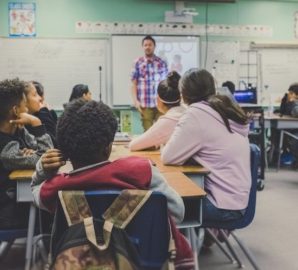
You can not fight racism or gender inequality or climate change if your education system is broken.

As the world observes the two-year mark of the global pandemic, we take stock of the devastating impact on incarcerated women in the U.S.

For a generation of young people whose middle school years will be defined by the COVID-19 pandemic, the confusion and abruptness of school closures and the fear that followed made the experience uniquely challenging.

Philippine President Rodrigo Duterte's "heavy-handed and punitive" — and exceedingly militarized — pandemic strategy largely accounts for why the Philippines continues to suffer nearly two years on.
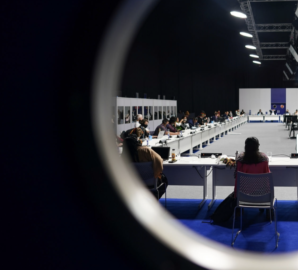
Many people from developing countries did not make it to the U.K. because of inequality — the ubiquitous kind of inequality that leaves poor people behind when it comes to the climate crisis, health outcomes, and pretty much anything else you can think of.
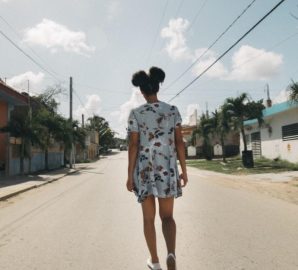
The disturbing and pervasive truth is that Black girls haven’t been afforded childhood during the pandemic, but that had also been true well before COVID-19.

Child care has been an issue in this country for years.

Pandemic lockdowns led to worsening levels of depression, anxiety, and post-traumatic stress disorder among adolescents.

Experts fear that disruptions in health services could aggravate India’s already high maternal mortality and child mortality rates.

Overburdened and underpaid, India’s health workers, known as accredited social health activists (ASHAs) — all of whom are women — continue to work without sufficient PPE kits, facing harassment and stigma.
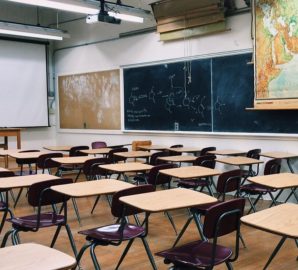
I find myself thinking of girls worldwide who missed out on far more than she did thanks to the pandemic — especially the many girls who will never see their classrooms again.

As the COVID-19 crisis intensifies, women workers, especially those who are unmarried and in low-wage jobs, have been hit especially hard.

The proverbial bottom of American life being brought to light by the upending caused by COVID-19 is the reality that women’s labor is undervalued in and exploited by the capitalist system, and that the system grinds to a halt without women’s unpaid labor.

Stress, burnout, danger: The pandemic has only worsened existing crisis conditions for nurses and other health care workers.
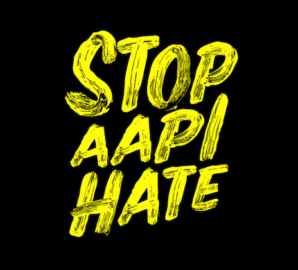
On May 5, Democratic Representative Grace Meng of New York and Democratic Senator Mazie Hirono of Hawaii introduced the COVID-19 Hate Crimes Act in response to the extreme increase in anti-Asian hate crimes over the last year.
I speak with my parents weekly; at first, I was incessantly worried about their safety in China, and now they are more worried about me, in the Midwestern U.S.

At a time when millions have experienced disruptions in their ways of working, traditional artisans — the original remote workers — offer lessons on the future of work.
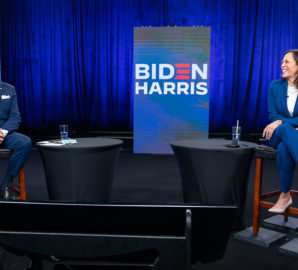
There is a long list of actions the new administration and Congress should take for women and girls, but we can start with six things.

The pandemic-related lockdown has exacerbated the isolation of India’s queer youth.
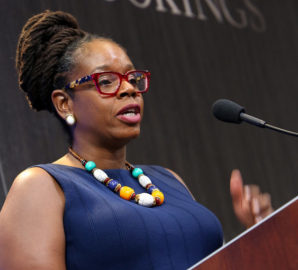
Campaigning during the pandemic has forced candidates to innovate and improvise.

As the COVID-19 pandemic worsens food insecurity globally, community-based initiatives are stepping up.

As the global pandemic enters its eighth month, the impact on those experiencing domestic violence has continued to intensify, and services are stretched to the limit.

Despite the government's pre-emptive measures to curb violence against women under lockdown, gender-based crimes skyrocketed during the state-mandated quarantine.

Gender inequality and stringent cultural beliefs left women most vulnerable to the HIV epidemic. With the coronavirus, Malawi mustn't repeat the same mistakes.

The pandemic has further revealed how workers in the global garment industry — especially women, who make up nearly three-quarters of garment workers — are sacrificed as economic collateral, and how fast fashion prioritizes profits over people.