
















In the Philippines, there aren't enough resources to go around to support a coordinated strategy against child sex trafficking in online spaces.

It has been five years since the Marawi Siege ended, and while the government has steadily completed infrastructure projects at the former heart of the firefights, the Maranao people have not been able to return to their ancestral lands. Many suspect that the government’s plans to commercialize the city are what's really preventing the IDPs from returning.

The competition for the presidency, between the only son of a “strongman” and a widow, resonates with the enduring friction between a woman-centered native culture and the infrastructure of patriarchal political dynasties bred by colonialism in the Philippines.

Philippine President Rodrigo Duterte's "heavy-handed and punitive" — and exceedingly militarized — pandemic strategy largely accounts for why the Philippines continues to suffer nearly two years on.
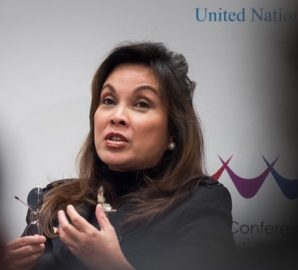
Activists whose work incorporates ecological, health, and equality campaigns have moved from protesting outside the halls of power to become elected legislators writing and passing the environmental protection frameworks that they campaigned for.

The Philippines is witnessing a rise in women leading suicide missions, leaving the government challenged to simultaneously understand them and anticipate their next move.

Philippine President Rodrigo Duterte's pardon of US Marine Lance Corporal Joseph Scott Pemberton in the killing of Jennifer Laude, a transPinay, in a hotel room in Olongapo reflects the country's historic subservience to US military interests.

Years after Marawi was liberated from jihadists loyal to the Islamic State, thousands of residents have not been allowed to return to their own land. Now, they face the government’s backhoes contracted to flatten the remnants of their ancestral property to commercialize the city and make it a tourist destination.