















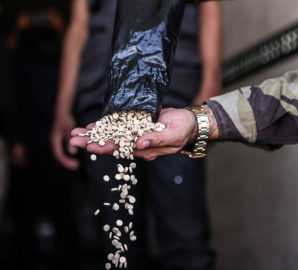
As Syria’s transitional government dismantles the Assad regime’s drug trade legacy, it must also remedy another crisis alongside it.
Victims of military domestic violence are filing claims against the Pentagon for damage, injury, and death.

Millions of women tolerate abuse every day due to fear of the cultural stigma of getting help and lack of access to resources available to help them.
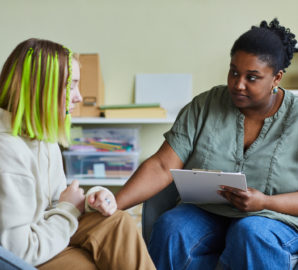
Millions of adolescents in the U.S. are victims of physical, emotional, psychological, or verbal abuse from a dating partner each year.
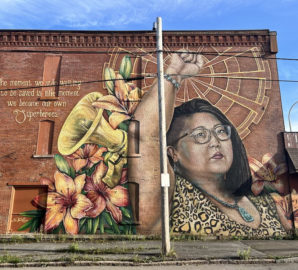
State actions to deny access to abortion show the same patterns of coercive control that women experience in domestic violence.

The risk of intimate partner violence is consistently higher among women living with HIV in sub-Saharan Africa than among those living without it — even for pregnant women, who are often first informed of their status during prenatal screenings.

As the world observes the International Day for the Elimination of Violence against Women on November 25, a new report shows the extraordinary anti-violence efforts made by women's rights organizations globally.

Protests erupted this week in response to a new abortion ban, but the government has been attacking women’s and LGBTQ rights for years.

How many killings will it take for the government there to declare a state of emergency?

As the global pandemic enters its eighth month, the impact on those experiencing domestic violence has continued to intensify, and services are stretched to the limit.

A group of researchers have turned to traditional coffee ceremonies to help stem intimate partner violence (IPV) in Ethiopia and educate about HIV in the country’s more rural areas.

J.K. Rowling immediately received backlash after sending a tweet that implied only women menstruate.

The loss of resources, support systems, and general safety puts survivors at risk of further abuse.

The COVID-19 shutdown is wreaking havoc on child visitations and family reunification.

More must be done to ensure that the most intimate yet essential needs of women and young girls around the world are met during this crisis.

While necessary to combat the spread of COVID-19, sheltering in place has been shown to exacerbate domestic violence.

Tunisian women from different ages and backgrounds have begun to share their sexual harassment stories on social media under the hashtag #EnaZeda — which means #MeToo in the Tunisian dialect.
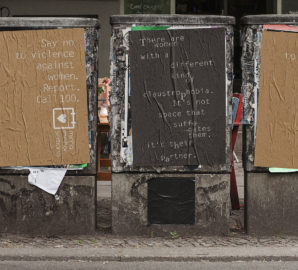
The United States has not had a working Violence Against Women Act since February, when VAWA lapsed during a rush to pass legislation to (unsuccessfully) avoid a partial government shutdown. And now, while the House has already passed a version of the act earlier this year, the Senate is refusing to take up the bill because of pressure from the National Rifle Association.

Gender-based and sexualized violence have gained new focus in South Africa in recent years. Femicide and rape crimes have increased at an alarming rate in the past four years; in 2016, a woman was murdered every four hours in South Africa, and by 2018, that rate rose to every three hours.

We debate the meaning of the Second Amendment endlessly, but rarely stop to interrogate how and why the people who decide to kill dozens of people have also demonstrated that they hate women.

I found that story after story included images of survivors of sexual violence that were gory and denigrating. They often depicted survivors in shredded clothes, fear-stricken eyes, and arms outstretched in appeal.

On April 9, 2019, Ivy Wangechi, a sixth-year medical student at Moi University in Kenya, was murdered. Like many stories of femicides that came before Wangechi’s, the media’s depiction of this murder was problematic.

The development in their case comes after a months-long saga in which the women, who said they fled to escape an abusive family and restrictive society, hid out in Hong Kong and stayed in various safe houses out of fear they could be intercepted and forced to return home.
This attack, like almost all mass shootings, was perpetrated by a man.
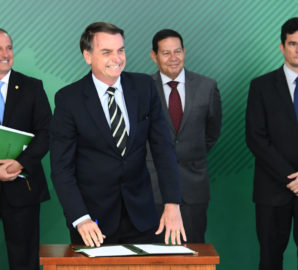
In January 2019, Brazil's newly-elected president Jair Bolsonaro signed a decree relaxing restrictions on gun ownership, a move that could endanger women further in a country ranked first in the world for firearm mortality and fifth for femicides.