















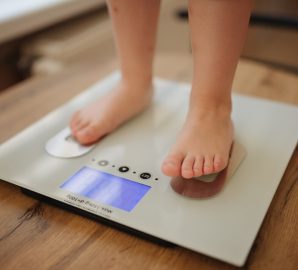
It is time to reject the skinny ideal.
The sheer size of this issue requires our federal government to come up with practical policies to regulate how young people can access social media.
I’m not alone — there seems to be a big movement of women who, thanks to the internet, are discovering what ADHD means for their work and personal lives.
As a 16-year-old teenage girl, it seems that ever since those disgusting revelations were made public, social media pressure hasn’t abated but has, in fact, grown even worse for my friends and me.

As a Gen-Z woman of color from a low-income family with limited opportunities, TikTok has exposed me to a world of possibilities because information is so accessible on the platform.
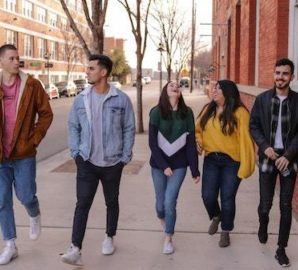
Many argue that this “pick me girl" trend exemplifies internalized misogyny because she tends to bring other girls down to establish her superiority over them to gain male validation.

It saddens me that some girls might become pregnant despite their lack of resources and in spite of the abortion rights that are quickly fading away, because of these influencers.

This approach is precisely how we plan to carry forward Dr. King’s legacy.

On April 11, the trial in a defamation lawsuit between actress Amber Heard and actor Johnny Depp began in Virginia.
In an incredibly unsettling new trend, some TikTokers are using women’s deaths as the punchlines of jokes.

Most networking now occurs online, which presents an incredible opportunity for Gen-Zers — and Gen-Z women in particular.

Crystal Maldonado’s sophomore novel, No Filter and Other Lies, comes out just as young people and parents alike are grappling with the negative effects social media can have on teens regarding body image and self-esteem.
Friday, December 17, was deemed “National School Shooting Day” by various anonymous TikTok accounts, which encouraged viewers to incite violence at their schools, including shootings and bombings.

Making women feel bad about their bodies and looks is good business for Facebook and Instagram, according to a former Facebook employee.

Demands to address gender-based violence have escalated after a social media movement and a brutal murder.
Some of the challenges can actually hurt their participants because they lead people to do risky things like taking medicine, playing with electricity, or gluing body parts together using super glues.
One Minneapolis city council member, Andrea Jenkins, told USA Today that the city’s plan was not to spread propaganda, but to establish a more direct line of communication between the government and city residents.
An interview with Anna Simone, a sociologist and a professor at the University of Roma Tre, about how women and men are scrutinized differently by the Italian media and public.

On February 4, a Pan-African feminist lawyer (who would like to remain anonymous) decided she was tired of seeing manels day after day on Kenyan TV stations.
TikTok has repeatedly, purposefully censored content it deems unattractive while allowing highly publicized sexist, violent, and hateful content to remain.

As financial markets place more emphasis on companies’ social and environmental impact, the social risk created by large-scale protest can affect their bottom line.
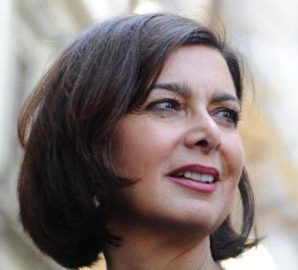
Research shows that social media exposes female politicians to online abuse, but it also enables them to engage directly with their constituencies without the bias of mass media.

In the increasingly competitive world of YouTube, few women are among the top earners — and the problem seems to be getting worse.

On February 12, Esquire announced the launch of a series of profiles of American adolescents. The first feature of the series, which also served as the magazine’s March cover story, focused on Ryan Morgan, a 17-year-old white Trump supporter from West Bend, Wisconsin. Controversy about the piece soon ensued.

That an American celebrity considered it lucrative to not only market a skin lightening brand abroad, but also travel all the way to Nigeria to promote it, says a lot about the socio-economic influence skin lightening products have in West Africa.