















Skinniness Isn’t About Beauty — It’s About Control
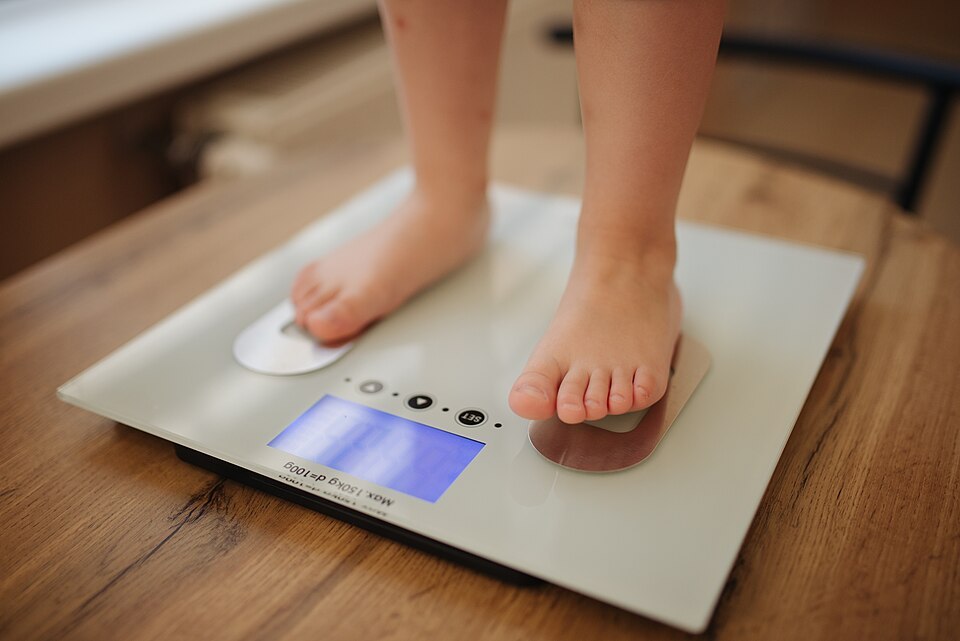
Skinny is back. Or at least, that is what the runways and social media want us to believe. The same old phrases are everywhere again: “Nothing tastes as good as skinny feels” and “Serving heroin chic.” They are framed as motivation for women to be disciplined enough to achieve the beauty that has always been expected of them.
But what if skinniness is not about beauty at all? What if it is a way to control women?
Let’s think about it together. Becoming skinny requires eating less. It sounds simple. But what does eating less actually do to a person? It reduces energy, concentration, and stamina. These physical consequences don’t just affect your body, but they also shape how you are able to live your life. When your energy is low, your performance at school suffers. Your ability to focus at work decreases. Your social life becomes harder to maintain. You are more tired, more irritable, and less present.
In other words, eating less limits your ability to fully participate in your own life. It limits your ability to go after your goals. To get your dream job. To show up fully in your relationships.
And consider that, structurally, women already face more barriers than men do to achieving those things. It is often harder for women to be promoted, be taken seriously, and to receive the same recognition as men. Now imagine having to work twice as hard on half the energy because you are trying to meet an unrealistic body ideal.
Constantly thinking about food and your body takes up a lot of mental space. Counting calories, watching the clock to see when you are “allowed” to eat again, planning how to go to a birthday party and avoid eating a slice of cake — all of that uses mental capacity. That is a mental capacity that could have been used for creativity, ambition, or just living freely.
A friend once told me, “A woman who counts her almonds can never become president.” That line has stayed with me. Not because it is literally true, but because of what it captures. When so much of your attention is directed toward shrinking your body, there is less space to look outward, to question systems, to lead, to imagine something bigger.
So we have to ask: Who benefits from a skinny ideal? Because it is not women.
A system that encourages women to be smaller, weaker, and more preoccupied with their appearance is not a system that is building women up. It keeps them contained. It reinforces old stereotypes: that women should be delicate, dependent, almost childlike. That they need protection rather than power. That they should take up less space, literally and metaphorically.
Skinny is not just about aesthetics. It is political.
So why are we spending our time chasing something that makes us weaker, more tired, and more distracted? Why are we investing in a standard that makes us feel miserable, while keeping existing systems comfortably in place? Skinny is not just a beauty ideal. It is a distraction. And in many ways, it is a form of control.
It is time to reject the skinny ideal. To eat. To take up space. To choose strength over shrinking. Because, if we are honest, a lot of things taste (and feel) better than skinny feels.
More articles by Category: Body image and body standards
More articles by Tag: Social media


