















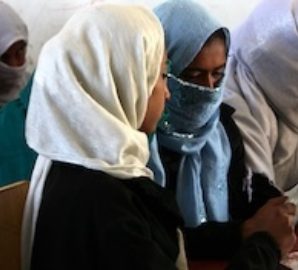
In Afghanistan, where girls are barred from secondary education, an underground network of home-based schools is preparing them for a future in which women can once again participate in public life.
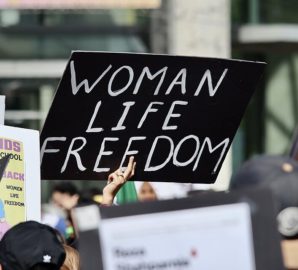
Violent crackdowns on dissent and activism have increased within Iran in recent months, as hardliners reassert dominance amid U.S. attacks.

It is essential for our global society to protect human rights at any cost, and make the Taliban face consequences for their human rights violations.
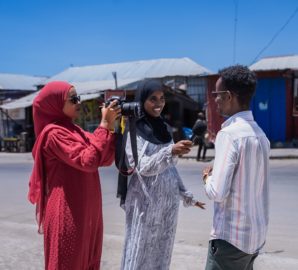
Bilan Media is providing opportunities for women journalists as well as changing who gets to tell stories in the media.

Thousands of Kashmiri students were studying medicine in Iran when the U.S.-Israeli strikes began to rain down on the country in late February—including women. Now, their futures hang in the balance.
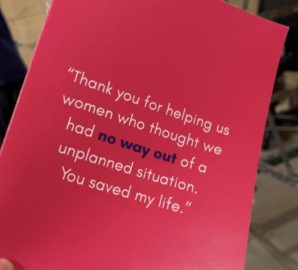
“I planted abortion pills across Malta. Here is why.”

Since the U.S. and Israel launched their joint assault on the Islamic Republic of Iran, feminist voices in the “Zan, Zendegi, Azadi” movement (or the “Woman, Life, Freedom” movement) have been diverse, with contradictory and dispersed reactions to war, foreign intervention, and even the future of the movement itself.
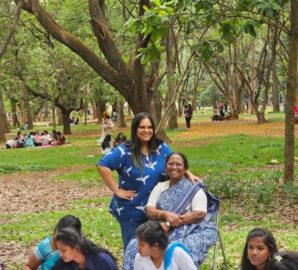
Dalit women in India, who face compounded marginalization due to both caste and gender, are working across generations to make sure their movement evolves alongside the women it serves.
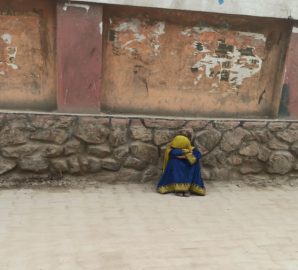
In early January, Taliban supreme leader Hibatullah Akhundzada quietly enacted the expansive “Criminal Procedure Code for Courts,” which effectively turns violence into everyday rule, patriarchy into official policy, and ideology into enforceable law.
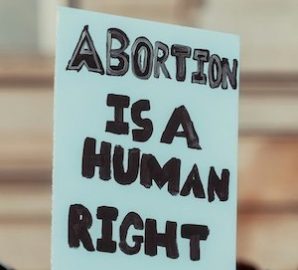
Lessons from movements in other countries can help activists in the United States mobilize to expand access to reproductive rights and care.
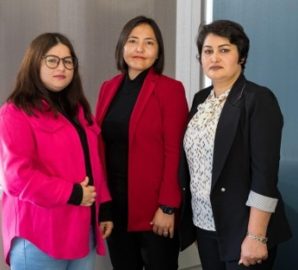
A clandestine group of journalists are telling women’s stories from inside Taliban-controlled Afghanistan.
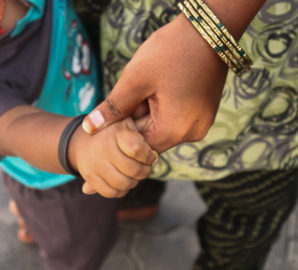
Isolated agrarian communities in the Indian state of Tamil Nadu were hard hit by the pandemic, experiencing increased poverty, the diversion of savings toward healthcare, and prolonged illness, forcing families to pull their daughters out of school and marry them off. Years later, attendance rates haven't recovered, and child marriages haven't subsided.
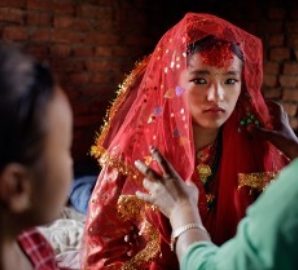
Globally, there are 640 million women who were married as children. The new report, commissioned by Sheryl Sandberg with support from Hillary Rodham Clinton, identifies steps that governments and communities can take to end the practice of child marriage.
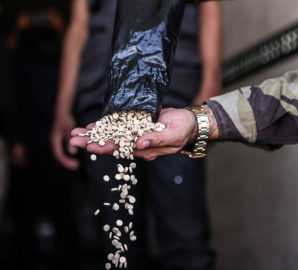
As Syria’s transitional government dismantles the Assad regime’s drug trade legacy, it must also remedy another crisis alongside it.

The film has been screening at embassies around the world to commemorate the 50th anniversary of the women’s strike, offering inspiration to feminists internationally.
When Egyptian feminist group Speak Up announced a partnership with Pornhub—the world’s largest website for adult content—to rapidly identify and remove non-consensual content, it received immediate backlash. Are its efforts meeting the reality of sextortion in the country, or normalizing a platform that has often hosted non-consensual and illegal content?
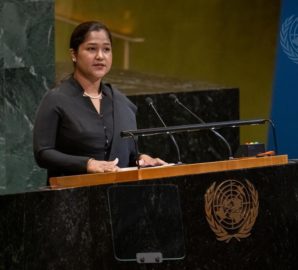
Following the United Nations' High-Level Conference on the Situation of Rohingya Muslims and Other Minorities in Myanmar, international human rights lawyer Michelle Onello argues that no solution to the crisis is valid or viable without the meaningful, safe, and inclusive participation of Rohingya women.
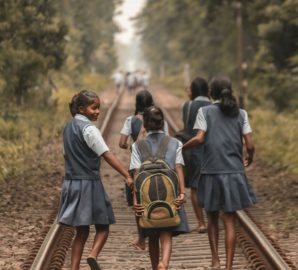
On October 17, the International Day for the Eradication of Poverty presents a call to action to end poverty and uproot the systems that create it.

The upcoming film "Kiss of the Spider Woman" is set in a prison during an era of state terrorism in Argentina. A survivor of that brutal military dictatorship reminds us that accountability is possible.
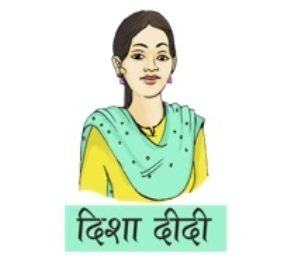
New tools are helping to fill a critical gap in information and education about sexual and reproductive health and rights.
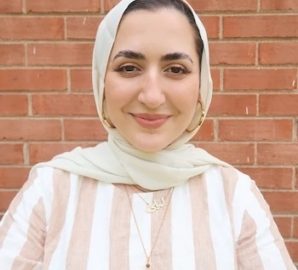
A recent decision by the Board of Immigration Appeals will make things more difficult for women making claims of gender-based persecution.

The growing movement to end period poverty has made great strides in recent years, and advocates all over the world continue to push for solutions.
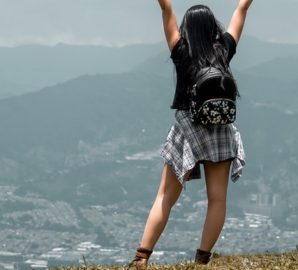
The uptick in women traveling alone is fueled by increasing disposable incomes, availability of information on the internet, social media, and technology.

Last November, Libya’s interior minister Emad al-Trabelsi announced a series of measures posed as a return to “society’s traditions,” but for many onlookers inside and beyond the country, they signaled a crackdown on individual freedoms — particularly for women.

A new report from the United Nations shows the prevalence of femicide throughout the world. Two scholar-activists call for addressing root causes.