















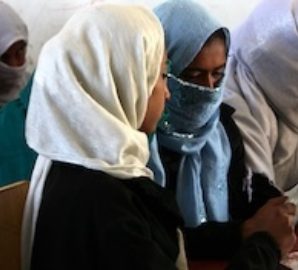
In Afghanistan, where girls are barred from secondary education, an underground network of home-based schools is preparing them for a future in which women can once again participate in public life.
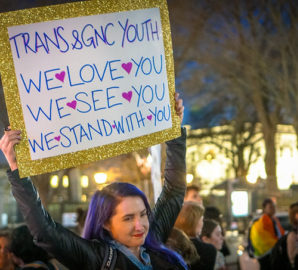
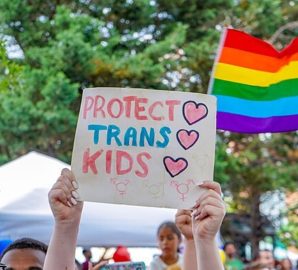
Activists warn that these measures targeting transgender youth are “part of a larger, coordinated effort to roll back the rights for women broadly.”
Climate adaptation plans cannot fully protect communities if they overlook the ways disasters reshape girls’ lives.
In early January, Taliban supreme leader Hibatullah Akhundzada quietly enacted the expansive “Criminal Procedure Code for Courts,” which effectively turns violence into everyday rule, patriarchy into official policy, and ideology into enforceable law.

I used to think grief was something abstract. I was wrong.
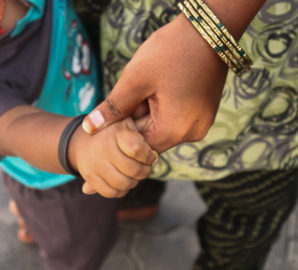
Isolated agrarian communities in the Indian state of Tamil Nadu were hard hit by the pandemic, experiencing increased poverty, the diversion of savings toward healthcare, and prolonged illness, forcing families to pull their daughters out of school and marry them off. Years later, attendance rates haven't recovered, and child marriages haven't subsided.
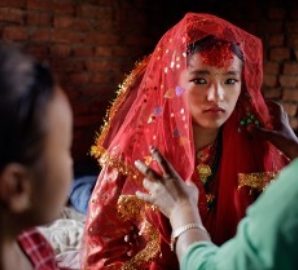
Globally, there are 640 million women who were married as children. The new report, commissioned by Sheryl Sandberg with support from Hillary Rodham Clinton, identifies steps that governments and communities can take to end the practice of child marriage.
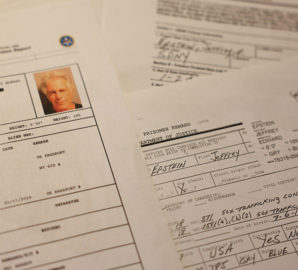
What will it take to prioritize women’s dignity and safety over defending the disclosure — on purpose or through reckless error — of private information?

While the United States has pledged to eliminate forced and child marriage by the year 2030, there are still 34 states where child marriage is still permitted.

The federal Office for Civil Rights has closed offices, abandoned many Title IX complainants, and opened investigations that align with the current administration’s political priorities. Students in need of redress must turn to alternative routes to demand accountability.
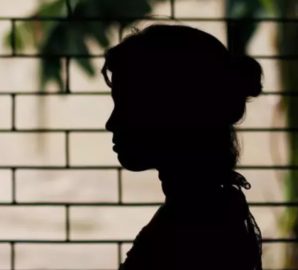
Local leaders and women activists groups worked for years to build momentum for the passage of a bill expected to be signed into law.
I hope all my fellow young women and fems choose to value each other’s humanity instead of the false trophies of womanhood and femininity.

Around 70 percent of those killed in Gaza the last few months have been women and children, with two mothers killed every hour, and one child estimated to be killed every 10 minutes, according to UN sources.

The Taliban's decrees over the past two years have resulted in the severe marginalization of women and girls in all aspects of Afghan society, which they exploit to gain attention on the global stage.

No matter how I demonstrated my anger about this harassment, no one seemed to understand or take it seriously.

Currently, 18 states ban trans girls from participating in girls’ sports. Often framed as offering “fairness” or “protection,” these insidious laws actually harm all women.

In October, the United Nations Committee Against Torture issued a final decision in Elizabeth Coppin v. Ireland that once again dashed hopes of justice for survivors of one of Ireland’s worst regimes of torture and abuse.

A recent U.S. Centers for Disease Control and Prevention survey is making headlines for its shocking findings on teens’ declining mental health.

In the Philippines, there aren't enough resources to go around to support a coordinated strategy against child sex trafficking in online spaces.

Caught in the throes of overlapping social and economic crises, women in Venezuela there have almost no resources to protect themselves or their children from harm. Violence against women and girls — including incest — remains prevalent, and invisible, throughout the country.

Using funds from her own pocket, one retired schoolteacher has been providing free education for children in one Indian slum for the last 13 years.

On March 25, the Islamic Republic of Iran began its four-year term as a new member of the United Nations’ Commission on the Status of Women (CSW) — “the principal global intergovernmental body dedicated to promoting gender equality and women’s empowerment” — after being elected by secret ballot last year.

In a culture that can see girls as a burden, many women opt to abort their female fetuses — even though it's illegal.

Child rape is increasing in Nepal, but many girls are dissuaded from reporting it.

About 400 women on average are prosecuted every year in the Andean country, blocking eligible women from accessing safe, timely, and free abortions. Underage girls are not exempt from such criminal prosecution and face sweeping sanctions, from restricted movement to mandatory community service, if convicted.