
















Demand for affordable, high-quality childcare far outpaces availability, suppressing women’s participation in the workforce. Public investment is needed to quell the crisis.

Trump policies and recent legislation have reduced access to aid at a time of rising food prices.
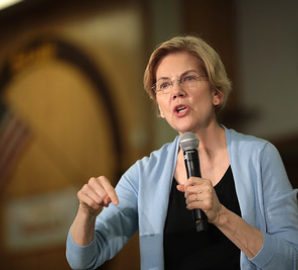
U.S. economic policies were not designed with women in mind. Improvements that benefit women would improve economic conditions for everyone.

On October 17, the International Day for the Eradication of Poverty presents a call to action to end poverty and uproot the systems that create it.
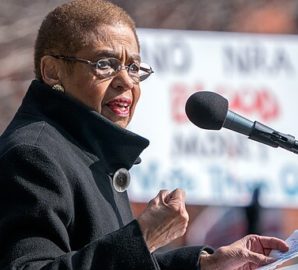
Persistent pay discrepancies, which cost women workers hundreds of thousands of dollars, have increased in recent years.

Limited protections and deportation fears will encourage more abuse of domestic workers, organizers say

Gen Z and Millennials are helping shape the future workplace as they advocate for financial stability and purpose-driven professions.

As repayment has resumed for millions of borrowers, an expert on the student debt crisis considers the racialized and gendered nature of student debt

Advocates continue to push for policy changes to help low-income workers, including minimum wage increases and improved access to child care and to family and medical leave.

What can we do about this potential gendered impact of AI on the workforce?

Understanding the hospitality industry as one where unwanted attention is assumed to be normal paints a bleak picture.

Many Brazilian organizations know that diversity is good business and have been fighting for minorities’ employability for years.

There is now evidence that can be used by countries who want to sue the heaviest polluters in the world: the United States, China, Brazil, Russia, and India.

Regardless of the outcome of the appeal, the law has already had a positive effect.

While a record number of women are employed in construction jobs, the industry needs to do more to recruit and retain them.

I’m aware that the road to entrepreneurship is somewhat filled with potholes for women.

Over a decade after the Great Recession, women workers are still struggling. New research identifies ways to a more inclusive economic recovery this time around.

As the COVID-19 crisis intensifies, women workers, especially those who are unmarried and in low-wage jobs, have been hit especially hard.
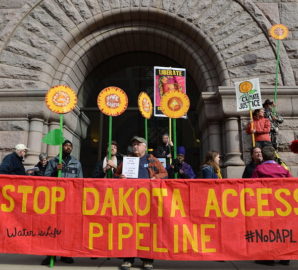
A new rule announced by the Securities and Exchange Commission could enable investors and other groups to hold companies accountable for their impact on communities.

At a time when millions have experienced disruptions in their ways of working, traditional artisans — the original remote workers — offer lessons on the future of work.

Current advocacy is based on an understanding of the intersections of reproductive justice and economic justice.

The measure, the first paid leave law to pass by ballot measure, will help workers who need it the most.

The corporate sector has refused to be ahead of the curve in diversity even though we’ve been sounding the alarm all along.

As the U.S. tax filing deadline approaches, three recent reports reveal the tax law’s disparate impact on women and other groups.

Pandemic-related lockdowns disproportionally burden women. By asking the right questions, policymakers can create policies that alleviate that burden.