















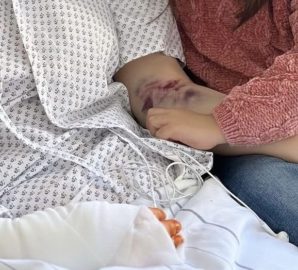
Since the U.S. and Israel launched their joint assault on the Islamic Republic of Iran, feminist voices in the “Zan, Zendegi, Azadi” movement (or the “Woman, Life, Freedom” movement) have been diverse, with contradictory and dispersed reactions to war, foreign intervention, and even the future of the movement itself.
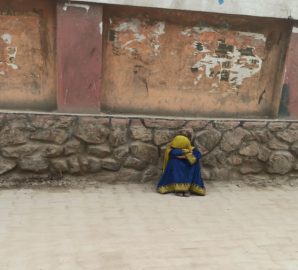
In early January, Taliban supreme leader Hibatullah Akhundzada quietly enacted the expansive “Criminal Procedure Code for Courts,” which effectively turns violence into everyday rule, patriarchy into official policy, and ideology into enforceable law.
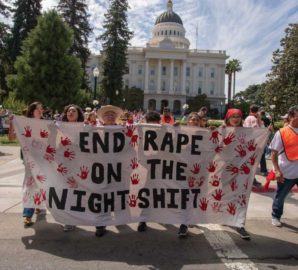
“Their stories of abuse and sexual violence are heartbreaking. They are not surprising.” But there are existing models that create true accountability.
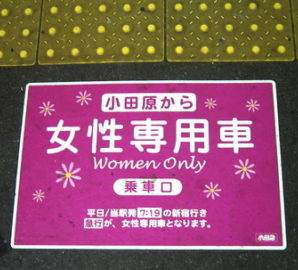
The creation of gender-segregated spaces to ensure women’s safety does not address the root causes of violence.
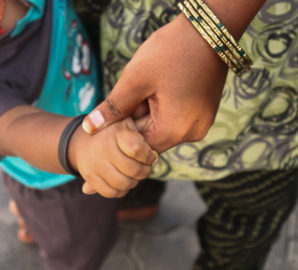
Isolated agrarian communities in the Indian state of Tamil Nadu were hard hit by the pandemic, experiencing increased poverty, the diversion of savings toward healthcare, and prolonged illness, forcing families to pull their daughters out of school and marry them off. Years later, attendance rates haven't recovered, and child marriages haven't subsided.
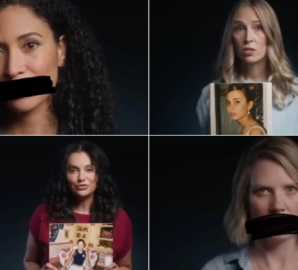
In addition to releasing the viral video, the group of survivors are demanding action from Attorney General Pam Bondi as well as backing new proposed legislation to facilitate legal accountability for perpetrators.
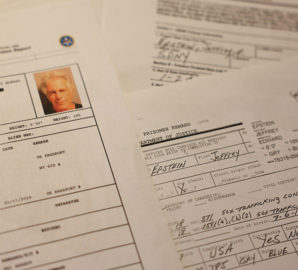
What will it take to prioritize women’s dignity and safety over defending the disclosure — on purpose or through reckless error — of private information?
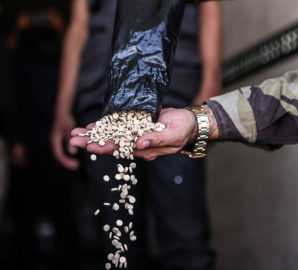
As Syria’s transitional government dismantles the Assad regime’s drug trade legacy, it must also remedy another crisis alongside it.
When Egyptian feminist group Speak Up announced a partnership with Pornhub—the world’s largest website for adult content—to rapidly identify and remove non-consensual content, it received immediate backlash. Are its efforts meeting the reality of sextortion in the country, or normalizing a platform that has often hosted non-consensual and illegal content?
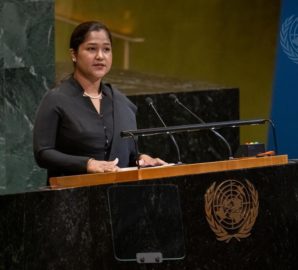
Following the United Nations' High-Level Conference on the Situation of Rohingya Muslims and Other Minorities in Myanmar, international human rights lawyer Michelle Onello argues that no solution to the crisis is valid or viable without the meaningful, safe, and inclusive participation of Rohingya women.

The federal Office for Civil Rights has closed offices, abandoned many Title IX complainants, and opened investigations that align with the current administration’s political priorities. Students in need of redress must turn to alternative routes to demand accountability.
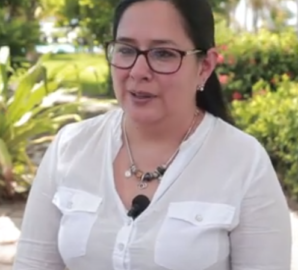
New forms of violence have emerged with the Central American nation's militarization and suspension of due process.
Victims of military domestic violence are filing claims against the Pentagon for damage, injury, and death.

Last November, Libya’s interior minister Emad al-Trabelsi announced a series of measures posed as a return to “society’s traditions,” but for many onlookers inside and beyond the country, they signaled a crackdown on individual freedoms — particularly for women.
A new report from the United Nations shows the prevalence of femicide throughout the world. Two scholar-activists call for addressing root causes.

A network of 47 midwives across Mexico is stepping in to provide essential prenatal care to pregnant migrants along their journey north.

Two high-profile murders were among at least 21 femicides across Kenya in January, but amid the nation’s shock and outrage, media, members of the public, and even parliamentarians (including women) excused the murders by maligning the women as “slay queens” putting themselves in harm’s way for social media clout.

While women’s inheritance and property ownership are protected by the Lebanese Constitution, inheritance laws differ based on religion and sect, leaving disputes to religious courts and personal interpretations — and biases — of those laws
Like all crimes, sexual violence must be understood within the broader context in which it occurs.

The nation is expected to make herstory in June when one of two leading women candidates will be elected.

Since the collapse of the Lebanese Pound in 2019, social workers in Beirut say that migrants and Lebanese alike have turned to the sex trade to cope with the increased costs of living.

War has been raging for 11 months in Sudan. Amid the horrific wave of violence that has led many people to flee West Darfur, women and girls have described being raped, beaten, detained, and forced to witness the killings of loved ones by groups of armed men.

Between 1996 and 2000, former President Alberto Fujimori oversaw a family planning program under which more than 280,000 women and men were sterilized in Peru — mainly in poor, rural areas. Decades later, victims are still awaiting justice.

Around 70 percent of those killed in Gaza the last few months have been women and children, with two mothers killed every hour, and one child estimated to be killed every 10 minutes, according to UN sources.

There is plenty of warranted criticism of the New York Times investigation into sexual violence on October 7, but for all the exposé’s ethical shortcomings, its greatest failure was its lack of consideration for the safety, trauma, and dignified treatment of the victims.