















In El Salvador, Women are Paying for Bukele’s Gulags
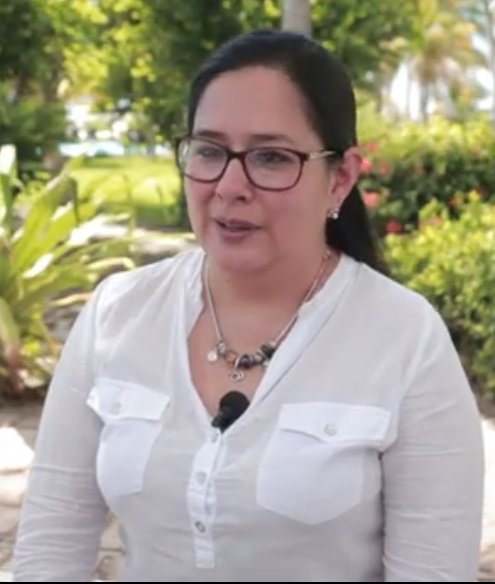
A 2023 Gallup poll that measured how safe people feel walking alone at night ranked El Salvador as one of the safest countries in the world. On the ground, women’s rights advocates paint a different picture.
After campaigning on a human rights agenda and his promise to bring stability to the country, Nayib Bukele came to presidential power in El Salvador in 2019. For years, the Central American nation was ravaged by the violence of warring gangs that produced extreme homicide and femicide rates. This violence was sown in the years of civil war there, fueled by a long U.S. tradition of intervening in Latin America.
Nayib Bukele’s mano dura has been touted by some as having turned El Salvador around. In 2021, Bukele launched his Territorial Control Plan, a multi-phased security strategy that sent the military and police into the 17 municipalities determined to have the highest incidences of gang violence. The following year, he imposed a state of exception, still in effect, that suspended due process and granted unrestricted powers to security forces. Under this state, more than 81,000 people, including 3,000 children, have been arrested, according to the Human Rights World Report 2025. Currently, an estimated 108,000 detainees are imprisoned.
According to testimonies by affected families, there are men detained who never were associated with gangs. Bukele refers to them as collateral damage.
“It is the women, ignored by this government, who are financing Bukele’s security policies”
Verónica Reyna, a psychologist and director of human rights at the Passionist Social Service, explained in an interview with the World Organization Against Torture, that Bukele’s popularity is based on a propaganda strategy projecting him as a progressive leader working for the country’s development and the eradication of violence. “The reality is more complex,” Reyna said. “His leadership is conservative, fundamentalist, and patriarchal. His political agenda disregards women’s rights, sexual and reproductive rights, and the rights of the LGBTIQ+ population.”
Elvira (not her real name), a women’s rights advocate with Organización de Mujeres Salvadoreñas por la Paz, Ormusa, echoed Reyna's assessment. “National security measures have side-stepped addressing the vulnerabilities confronting women, by defunding or not prioritizing programs that support them,” she explained to IDAR/E. The Bukele government has slashed the budget of the state women’s institute and other organizations that assist women victims of violence and provide access to healthcare, job training, and financial advice.
“Statistics of violence against women, from domestic partners, sexual harassment, or violent deaths —the true indicator of the state of security for women— have not changed,” said Elvira, adding that the government’s position is that violence against women is no longer a priority because the gang problem has been eliminated.
According to the Institute for Research on Gender Based Violence (IVG) in El Salvador, there were 5,052 cases of sexual violence reported in 2020 in El Salvador, and 6,097 in 2021 – an increase of 34%. With a crackdown on independent media —Bukele casts them as friends of the gangs, and publications like El Faro have moved their operations to Costa Rica— more recent data is difficult to access.
As El Salvador’s government sells its mass incarceration gulags as solutions, new and transformed violence has emerged. A 2023 Carnegie Endowment for Peace report describes that while some women say they are able to enjoy a state of calm, others point to how increased militarization of the streets, particularly in formerly gang-controlled neighborhoods, is putting Salvadoran women at risk. The report quotes a women’s rights advocate: “It brings a false sense of security… There is so much harassment from police and soldiers, because they have increased their presence in our communities, and you can’t say anything about it.”
She also said that even though many gang members have been arrested, others have gone into hiding and continue to control certain neighborhoods.
In El Salvador, 90 percent of incarcerated men were the main providers for their households. The loss of their income opens up more vulnerabilities, as the report unpacks. Some mothers are now obliged to leave their homes to provide for their families, and in turn, leave their children alone. This situation gives rise to the fear that the children are left exposed to sexual violence by police and soldiers, or to intrafamilial violence. Some also worry that their kids will take up with gangs out of trying to help put food on the table.
“It is the women, ignored by this government, who are financing Bukele’s security policies,” said Elvira, explaining that not only do they have the burden of being the sole provider for the home, but they also have to deliver money to their incarcerated family members for essential hygiene supplies that are not provided by the prisons.
On top of the attacks on independent news media and human rights groups, and the psychological and economic toll on women, Angelica Rivas at the Colectiva Feminista in El Salvador said women’s rights organizations are also targeted by state forces.
Despite the risks of harassment and worse, Rivas believes it is important to speak out. “Women need to know the realities of living under a dictatorship, so they can prepare. We see the situation in the United States and recognize what the attack on their rights can bring about.”
More articles by Category: Gender-based violence
More articles by Tag: el salvador, bukele, cecot, Violence, Central America


