















Femicide Is a Global Issue With Lessons for the United States
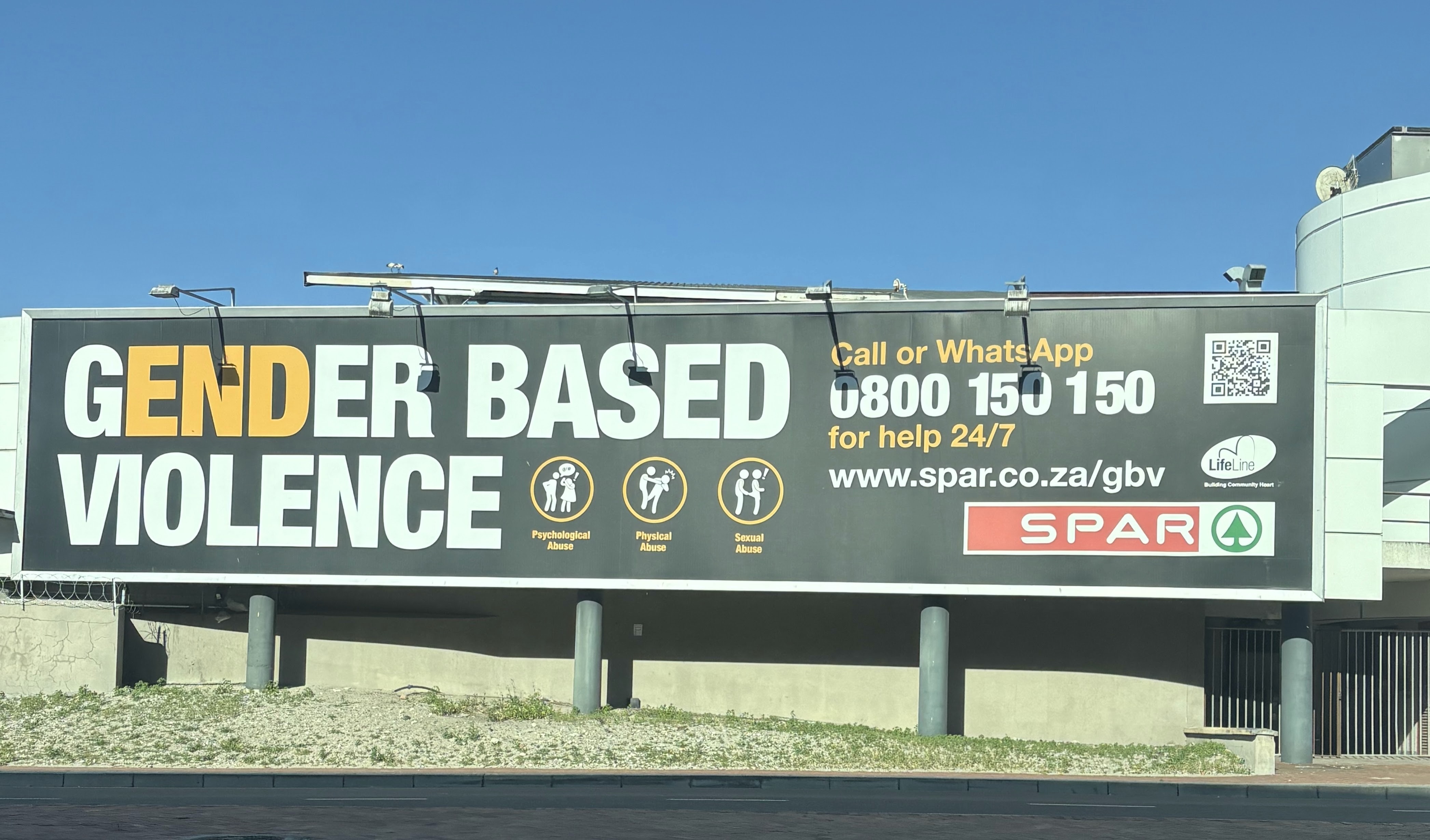
On December 16, 2024, in North Carolina, a routine outing devolved into 21-year-old Ashanti Downey fighting for her life after suffering from third-degree burns. She was approached from behind, doused with a flammable liquid, and set on fire by a man she was living with. This type of violence directed at women and girls, simply for being women and girls, is too common. Unfortunately, as highlighted by a recently released report from the United Nations (U.N.), 85,000 women across the globe were killed by men in 2023 alone.
According to the U.N., femicide is defined as an intentional killing with a gender-related motivation. While femicide can occur in very public places such as a New York City subway, or, as in Ashanti Downey’s case, in front of a Dollar Store, home is the most dangerous place for women. The U.N. report found that male intimate partners perpetrated 60% of all femicides in 2023, and this was a higher percentage than in prior years.
Unlike homicide, femicide is fueled by structural inequality in society that disfavors women and girls. This includes discrimination, inequitable power dynamics that privilege men and boys, and harmful gender norms — factors that contribute to widespread acts of violence against women and girls. In that sense, femicide represents the most extreme manifestation of gender-based violence (GBV) against women and girls. In essence, femicide is the ultimate silencing of women and girls.
The U.N. report findings also underscore regional differences in femicide. For instance, the African region had the highest rate of intimate partner/family member femicide in 2023, followed by the Americas and Oceania. These regional differences signal an urgent need for more resources to scientifically examine and address the interplay of the historical trauma of colonialism, current systems of gender inequities, the persistence of patriarchy, and the subordination of women and girls at local, national, and regional levels.
As two global public health researchers based in the United States who focus on GBV, we recognize femicide is often perceived as something that primarily occurs in low- and middle-income countries. But the U.S. ranks 34th in femicide out of over 150 countries where data were available and accounts for 70% of all femicide in 25 peer high-income countries. Moreover, stark disparities in femicide within the U.S. and other higher-income regions are not reflected in the U.N. report. Mirroring so many other U.S. public health inequities, there are disproportionate rates of femicide among Indigenous, Latina, and Black women, which highlights the intersection of racism and sexism in these crimes. For example, studies have shown that Black women in the United States experience intimate partner violence at younger ages, are less likely to leave an abusive partner, and are more likely to be murdered by an intimate partner than women of other racial or ethnic backgrounds. Moreover, there is a need for additional research that investigates complex risks and vulnerabilities for those with disabilities, immigrant women, and trans and nonbinary people, all of whom experience persistent forms of discrimination.
The present context of increasing erosion of women’s rights and bodily autonomy and harmful rhetoric, especially on social media platforms, against women and girls in the U.S. is enraging and creates conditions that obstruct efforts to identify and address the root causes of femicide. The U.N. report calls for leaders to muster the political will to address gender inequity in all forms because improving gender equality reduces the conditions for femicide. However, in the U.S. we have seen apatriarchal backlash, including the overturning of the constitutional right to abortion, and a high prevalence of allegations of sexual abuse by new presidential appointees. GBV researchers and advocates have asserted that the use of a public health framework (as used by the U.N. and the World Health Organization) is integral to identifying solutions. But in order to address the harmful intersections of structural inequities that create the conditions for femicide, we have to clearly identify the misogynistic roots and power imbalances across societies that make the most intimate setting and relationships also the most unsafe location for women and girls.
For those of us working in the field of GBV, it is understandable to feel despair. This is a very real concern for us. What does give us hope, however, is taking account of our wins — many of which have taken place outside of the U.S. As practitioners and researchers who have seen innovations on the ground in many other global settings, we urge the U.S. to look toward solutions from other regions where there is a rapidly growing evidence base of promising interventions to prevent GBV and support those impacted. For example, scientifically tested practices to address all forms of gender-based violence have been developed in African countries. Such learnings were made possible through collaborative partnerships between communities, survivors, practitioners, and researchers.
Based on decades of research and programs, we now know that it is possible to prevent intimate partner violence. The most effective approaches aim to address broader structures and systems. For instance, interventions using cash transfer programs that deliver cash or food to households regularly help to address economic barriers for women. Such programming may help reduce intimate partner violence by mitigating household conflict and poverty-related stress. We have also seen reductions in intimate partner violence from programs that empower women financially by enabling them access to group savings and by working with couples to develop more equitable household decision-making. For such programs that engage men, it is critical to ensure that harmful gender norms are not perpetuated, and that women’s equity is centered. Some funders are beginning to recognize the opportunities that global solutions may offer the U.S. and are funding adaptations of global approaches to gender equity for U.S.-based populations. It is our hope that such funding streams, especially in philanthropy, will continue to expand.
In addition, there are life-saving tools developed in the U.S. The Danger Assessment is a tool developed by researchers in Baltimore that helps women assess their risk of being killed by an intimate partner. While we work for policy and structural change, it is also vital that women and community members have the tools to identify femicide risk and refer women and girls safely to resources. Through the integration of this tool into various sectors (e.g., law enforcement, family justice), the Danger Assessment has saved lives.
As scholar-activists, we are unwavering in our commitment to research that utilizes a transformative agenda for health equity, which includes deep community engagement to understand cultural norms and systems while acknowledging the need to dismantle the structures that fuel femicide. We recognize the current socio-political climate seeks to roll back the gains of contemporary social movements for equity and inclusion for all races and genders, but we will not be deterred. We seek to build stronger research coalitions that simultaneously address policy change, center communities, and increase individual safety. We must continue developing studies that provide scientific evidence to speak truth to power, developing interventions based on the intersections of oppression that lead to disparate risks of intimate partner violence and femicide. At the Sexual Violence Research Initiative Forum in South Africa, a recent global gathering of GBV researchers, practitioners, and policymakers, Tarana Burke, founder of the #MeToo movement, said: “We live in a crisis of humanity, and in every crisis, women, children, and people in all their diversities suffer the most. We need dramatic shifts. Those who are losing power and privileges are fighting as hard as they can. But I believe it gets worse before it gets better, and that’s because we are winning.“
While the current violent rhetoric may intend to scare women and girls into “knowing their place,” we will continue to advocate through our love for our communities to help us GBV researchers band together and remain steadfast in calling out the deep-seated structural gender inequities that make femicide possible. We must continue to support each other in this battle and raise the voices of those who survived while honoring those who didn’t, because that is where the true power lies.
More articles by Category: Gender-based violence, International
More articles by Tag: Gender Based Violence, Femicide, International, United Nations


