















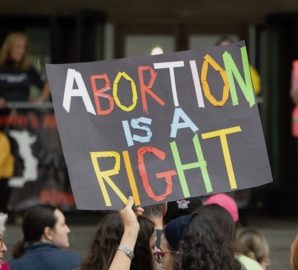
Three proposed measures would establish a right to abortion in their states, while one is intended to repeal an established state constitutional right to abortion.

Misinformation and false claims about the safety of abortion are proliferating and becoming key components in legislation, litigation, and regulatory policy.
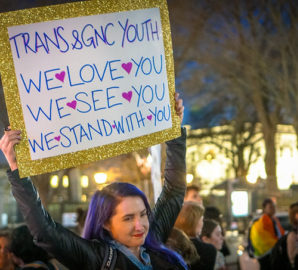
Activists warn that these measures targeting transgender youth are “part of a larger, coordinated effort to roll back the rights for women broadly.”

Breast cancer remains one of the most pressing public health challenges in the United States.

A large majority of Americans support comprehensive, trans-inclusive sex education, and such programs have the potential to transform society.

Maternal care depends on continuity. Continuity depends on recognition. And recognition depends on whether women’s reproductive lives are fully integrated into the systems responsible for their health.
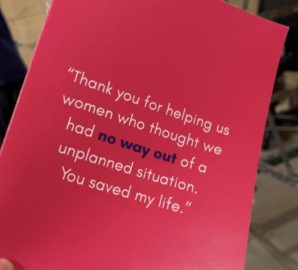
“I planted abortion pills across Malta. Here is why.”

Your menstrual cycle is a messenger that delivers vital information about your health.

Moms.gov is not about mothers or health, but about promoting the administration's pet policies on women.

Lessons from movements in other countries can help activists in the United States mobilize to expand access to reproductive rights and care.
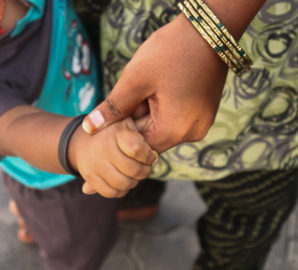
Isolated agrarian communities in the Indian state of Tamil Nadu were hard hit by the pandemic, experiencing increased poverty, the diversion of savings toward healthcare, and prolonged illness, forcing families to pull their daughters out of school and marry them off. Years later, attendance rates haven't recovered, and child marriages haven't subsided.

The increased presence of Immigration and Customs Enforcement agents and the fear of detention and deportation have had chilling impact on access to care.

Every preventable maternal death is a reminder that our democracy means nothing if it cannot protect its citizens.
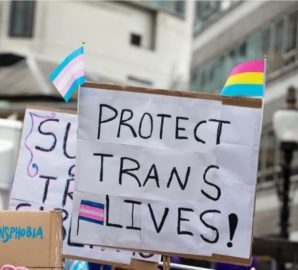
Advocates are encouraging members of the public to weigh in during the public comment period for the proposed new rules.
It’s time we start giving young women the information they deserve so they can protect their futures, their health, and their lives.

As Syria’s transitional government dismantles the Assad regime’s drug trade legacy, it must also remedy another crisis alongside it.

Since 2023, 20 bills regarding menopause have been introduced in 13 states, after years of women’s health advocacy to combat stigma and misinformation and advocate for equitable treatment for women patients.

The attacks are coming from all three branches of the federal government as well as state legislatures.

New tools are helping to fill a critical gap in information and education about sexual and reproductive health and rights.

A proposed rule change would bar Veterans Administration health care providers from offering abortion counseling and referrals.
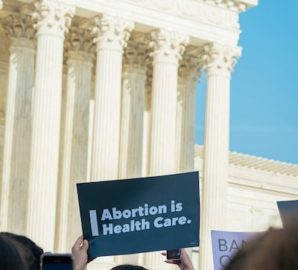
June 24 marks the third anniversary of the Supreme Court decision overturning Roe v. Wade. Three years on, as legislatures in some states impose severe restrictions, advocates and providers are fighting to keep abortion accessible.

We cannot afford to force so many women with endometriosis to withdraw from work and school on a monthly basis when it is entirely possible — and easy — to provide reasonable accommodations.
In November, Missouri voters passed a constitutional amendment protecting abortion rights. But anti-abortion lawmakers have been working ever since to find a way to ban abortion once again.

The growing movement to end period poverty has made great strides in recent years, and advocates all over the world continue to push for solutions.

Anti-abortion extremists are trying to revive an antiquated 19th-century law to block access to abortion, but new proposed legislation would weaken the law’s effect.