















Why Aren’t We Talking About the Mpox Outbreak’s Effect on Women?
The Trump administration's plan to drastically reduce the U.S. Agency for International Development (USAID) staff shocked the international community when it was announced earlier this month. Among the many ramifications this plan could have are the affects on USAID's lifesaving programs that help treat diseases, including one outbreak that has received little media attention in the United States: mpox.
In August 2024, the World Health Organization’s Director-General declared the mpox outbreak in the Democratic Republic of the Congo (DRC) and other African countries a public health emergency. Cases have continued to rise throughout 2024 and reached ten thousand new cases in the DRC alone, which made up almost half of all cases this past year. With limited vaccine accessibility in areas most vulnerable to the disease, deaths are expected to increase.
This virus is having disproportionate effects on many different groups of people, but pregnant people may be of the highest concern. Around 75 percent of mpox pregnancies end with stillbirth or miscarriage. A concern that many have surrounding vaccinating pregnant women, however, is that the mpox vaccine is a live virus, meaning it contains a weakened version of the original virus, allowing for the immune system to learn how to fight it off. Experts are apprehensive about vaccinating pregnant women based on the assumption that the vaccine is too unpredictable.
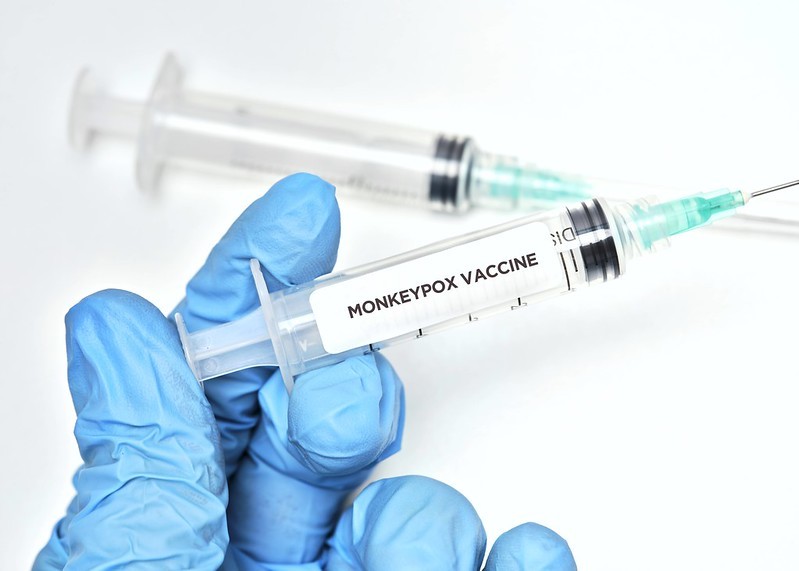
Fortunately, two promising vaccines have been tested and confirmed to protect against the virus, and research shows that one of them, the JYNNEOS vaccine, has had little to no risk to the pregnancy, mother, or fetus. By comparison, the other vaccine, the ACAM2000, has been shown in some cases to cause myocarditis, an inflammatory heart disease, and generally pose a greater risk to the vaccinated individual. While there is still more research to be done and a layer of uncertainty, the consequences of not getting vaccinated are so high that a small risk must be taken.
As of September 2024, 250,000 doses of the mpox vaccine were delivered to the DRC. With a population of over 100 million people, this is not nearly enough. Officials at Africa’s CDC have estimated that vaccine campaigns across the continent will cost close to 599 million U.S. dollars. As of today, the United States has donated a total of around two million dollars, which is simply insufficient compared to the funds needed.
And yet, despite the scope of this issue, news outlets across the United States and other wealthy countries have scarce coverage of the outbreak. It is easy to get into the mindset of focusing on your country first. And in fact, the number of mpox cases in the United States is relatively small so far, and the CDC estimates that this issue will not affect the United States to the same extent as Africa.
However, those of us who live in wealthy countries like the United States need to be better informed about issues affecting people around the world and utilize our privilege to help now more than ever. The issue of mpox as a rising global threat continues to go under the radar of many affluent countries, and action must be taken. Wealthy countries like the United States must increase funding and vaccine deliveries going to the DRC in order to protect already marginalized populations -- not cut the small staff at organizations like USAID who are trying to help. By ignoring this issue, we are putting the lives of so many at risk, and we must broaden our perspective and think about the fate of the world.
More articles by Category: Health
More articles by Tag: Reproductive health


