















Investing in Women and Eradicating Poverty
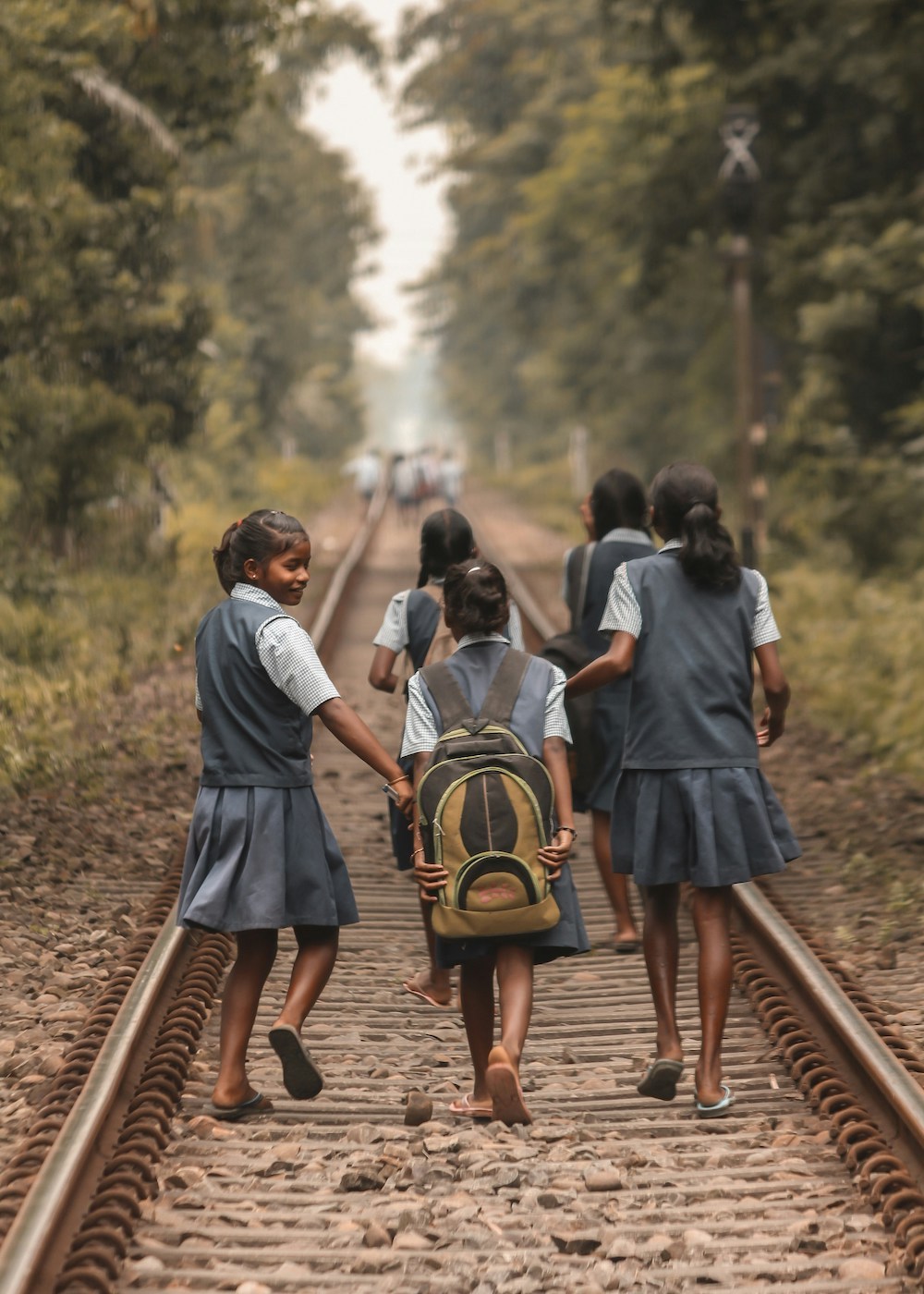
Poverty is a human rights crisis in which individuals or groups lack the resources and means to meet a minimum standard of living. On October 17, the world will observe the International Day for the Eradication of Poverty — a call to action that reminds us poverty is not inevitable. Established by the United Nations in 1992, its goals are to raise awareness of the urgent need to end poverty in all its forms, amplify the voices and experiences of those living in poverty, and emphasize our collective responsibility to dismantle the systems that sustain it.
As psychological scientists, we belong to a field that has deep insight into the institutional, social, and psychological dimensions of poverty. We know that poverty is not only an economic condition but a psychosocial and structural phenomenon that limits people’s capacity to meet basic needs, exercise autonomy, and participate fully in society. It encompasses material deprivation, restricted access to social and cultural capital, and powerful psychological consequences — from reduced cognitive capacity to chronic stress, anxiety, and depression.
We now join the rising call to move beyond studying the mechanisms underlying poverty to using psychological science as a catalyst for poverty eradication. For example, the American Psychological Association’s Deep Poverty Initiative calls for psychologists to help change attitudes about deep poverty, influence policy to expand social supports, and use science to build capacity in organizations that serve those in poverty. In this spirit, we urge policy makers, organizational leaders, human rights defenders, and everyday people to invest in women and girls as a key to ending poverty everywhere.
How Inequality Shapes the Lives of Women and Communities
Across the world, gender inequality is one of the strongest predictors of poverty. Globally, women earn roughly 80 cents for every dollar earned by men, and are about 20%–30% more likely to live in poverty. Women are overrepresented in low-wage, informal, or insecure work, and often combine this with unpaid caregiving and single parenthood, intensifying their risk of poverty. The consequences ripple outward; women’s poverty often translates into food insecurity, inadequate housing, and limited health care access, all of which shape the development and well-being of children and communities.
Poverty also restricts women’s agency and safety, increasing vulnerability to gender-based violence, child marriage, labor exploitation, and restricted mobility. In some regions, women’s and girls’ exclusion from education, credit, or political participation reinforces intergenerational cycles of disadvantage. When women’s talents and leadership are underutilized, communities lose half their human capital, reducing innovation, civic participation, and resilience. Bridging gender pay and employment gaps is a powerful lever for reducing poverty worldwide.
In both the Global South and North, women of color bear even steeper burdens. In the United States, for example, AAUW finds that Black women earn 66 cents for every dollar earned by white, non-Hispanic men, while Latinas and Native American women earn only 58 cents. Similar racial, ethnic, and caste-based inequities are seen among Indigenous and Afro-descendant women in Latin America, Dalit women in India, and migrant women in Europe and the Middle East. These are not just statistics — they reflect lives constrained, ambitions limited, and communities deprived of growth and vitality.
Fair Wages Matter, but Power and Access Change Everything
In the United States, women’s poverty remains tied to persistent inequities in compensation. But without parallel changes in promotion, sponsorship, access, and power, pay parity leaves poverty intact. For example, many women remain stalled at entry-level management roles — a phenomenon known as the “broken rung”. Research shows women are denied stretch assignments, visibility, and executive mentorship, while male colleagues more often receive sponsorship that unlocks advancement.
Globally, these barriers are magnified by structural inequities such as restricted land ownership; unequal inheritance laws; lack of access to education, health care, or credit; and gender bias in public policy. Yet successful models show that targeted investments in women work:
- In India, the Self-Employed Women’s Association (SEWA) provides microloans, cooperative ownership, and training for women in informal labor, improving financial security and collective power.
- In Latin America, conditional cash transfer programs such as Brazil’s Bolsa Família increased school attendance, improved child nutrition, and strengthened women’s decision-making power.
- In sub-Saharan Africa, UNICEF-led education initiatives have expanded access to schooling for girls, reducing child marriage and increasing lifetime earnings.
- In Rwanda and Nepal, gender quotas in local government have boosted women’s civic participation, influencing policy decisions and resource allocation.
These examples underscore that when women have equal access to education, health, financial resources, and decision-making, entire societies prosper.
When Women Rise, Families, Communities, and Nations Rise With Them
When women gain income and power, benefits multiply across households, communities, and economies. Investing in women results in:
- Stronger families: Women are more likely than men to invest additional income in children’s education, health, and well-being.
- Communities uplifted: Gender-lens investing shows that supporting women-led enterprises yields sustainable social and financial returns.
- Generational impacts: Educated girls grow into economically active, civically engaged women. Completing secondary and higher education correlates with higher lifetime earnings and greater resilience.
- Closing the wealth gap: Wealth is not built solely from income, and the persistent gender wage gap fuels a wealth gap across generations. Globally, women’s average assets lag far behind men’s, exacerbated by lower earnings, gendered labor divisions, discrimination, and more.
A Call to Collective Action
Leaders of organizations and businesses can begin now to address gender inequality:
- Publish salary bands, conduct pay equity audits, and correct disparities.
- Ensure that women have access to stretch assignments, executive exposure, and sponsorship.
- Embed accountability in leadership and representation metrics tied to equity goals.
Policymakers and advocates should:
- Champion pay transparency, gender budgeting, and targeted investment in women and girls.
- Support policies that ensure accessible child care, paid leave, and caregiving support.
- Push for enforcement of antidiscrimination laws and gender equity legislation.
Individuals can use their voice:
- Use your voice, on and offline, and your purchasing power, by shopping at local women-owned businesses and supporting fair-trade and ethical supply chains.
- Support women-led community initiatives, mentorship, and movements for equity.
- Hold the institutions you belong to accountable by demanding transparency, fairness, and leadership that reflects justice.
On October 17, and every day after, let us commit not just to ending poverty but to uprooting the systems that create it, including by building a world where every woman and girl is valued, paid fairly, and empowered to lead.
More articles by Category: Economy, International
More articles by Tag: Economy, Poverty, International, United Nations


