
















A new report from the United Nations shows the prevalence of femicide throughout the world. Two scholar-activists call for addressing root causes.

Two high-profile murders were among at least 21 femicides across Kenya in January, but amid the nation’s shock and outrage, media, members of the public, and even parliamentarians (including women) excused the murders by maligning the women as “slay queens” putting themselves in harm’s way for social media clout.

The nation is expected to make herstory in June when one of two leading women candidates will be elected.

International Women’s Day marches mark how feminist movements have exploded across Mexico, as elsewhere in Latin America — a region with some of the highest rates of sexualized violence in the world.

Amid a state of emergency around femicide in Puerto Rico, journalists and activists are challenging the normalization of sexist news coverage

Everard’s case shook the nation as an outraged public demanded more safety for women against pervasive male violence. And while a serving Metropolitan police officer remains in custody for her kidnapping and murder, the question of law enforcement's role in ensuring that safety provokes national conversation.

The Mexico City government erected barricades around the National Palace of Government as a "wall of peace" intended to protect the historic building ahead of the 8M International Women’s Day protest on March 8, 2021. It did not go well.

Despite the government's pre-emptive measures to curb violence against women under lockdown, gender-based crimes skyrocketed during the state-mandated quarantine.
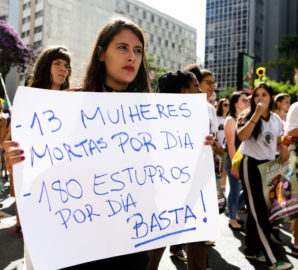
While murder rates are falling in Brazil, femicide rates continue to steadily climb, and with President Jair Bolsonaro at the helm, there are no promising signs of the violence abating.

In Mexico's northeastern state of Nuevo León, young feminists are creating their own safe spaces to share, bond and mobilize, and demand an end to the country's pervasive gender-based violence.

As the number of cases of attempted kidnappings in metro stations mount, feminist civil society is fighting to create a safe city for women, against the inefficacy of law enforcement and a city government that appear ill-equipped to address the daily reality of violence committed against them in public.

A year after Rio de Janeiro city councilwoman Marielle Franco's murder, justice remains elusive, but her life and work live on with her supporters.
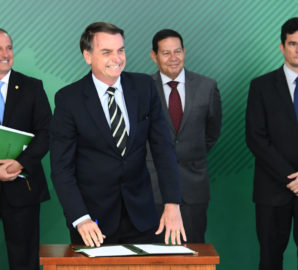
In January 2019, Brazil's newly-elected president Jair Bolsonaro signed a decree relaxing restrictions on gun ownership, a move that could endanger women further in a country ranked first in the world for firearm mortality and fifth for femicides.
