
















Closing the digital gender divide could open crucial paths to promote women’s well-being while offering economic prosperity in some of the world’s most underdeveloped nations.

Two high-profile murders were among at least 21 femicides across Kenya in January, but amid the nation’s shock and outrage, media, members of the public, and even parliamentarians (including women) excused the murders by maligning the women as “slay queens” putting themselves in harm’s way for social media clout.

War has been raging for 11 months in Sudan. Amid the horrific wave of violence that has led many people to flee West Darfur, women and girls have described being raped, beaten, detained, and forced to witness the killings of loved ones by groups of armed men.

In most present-day Igbo communities, caste ranking is a core concern for both families and couples.

The risk of intimate partner violence is consistently higher among women living with HIV in sub-Saharan Africa than among those living without it — even for pregnant women, who are often first informed of their status during prenatal screenings.

Camps for internally displaced persons in conflict-rift states in Nigeria have been known to provide fertile ground for trafficking.

Papillon’s debut novel, An Ordinary Wonder tells the story of a pair of twins named Otolorin and Wuraola as they come of age. But Oto has a deeply held secret — she was born intersex and has always been told she must never tell anyone the truth about her identity.

Uganda's new Sexual Offenses Bill, which passed in parliament in early May, is meant to strengthen existing protections against sexualized violence, but feminists and human rights advocates have criticized the new legislation as a veiled attack against LGBTQ+ Ugandans and those in the sex industry.
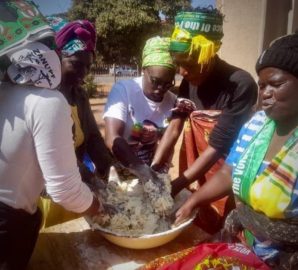
Household hunger in Zimbabwe used to be confined to rural districts, but in 2019, as the economy faltered, hunger took root in cities as well. Enter the rural women baking collectives — and the environmentalists who oppose them.

In a country with one of the highest HIV prevalence rates in the world, a sex worker-led health care model succeeds in serving its own community.
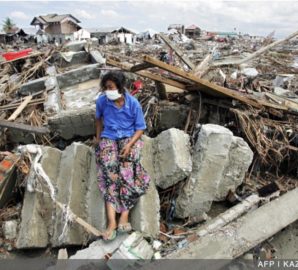
Poor countries often have broken governments, shoddy infrastructure, and few systems in place to help when there is a mass crisis — which is why the U.N. Development Program found that there is a severe difference in how people are harmed during a climate disaster, depending on whether they live in a developing or rich country.

A hurricane hits. The terror and stress caused by the imposing wind and rain affect nearly everybody’s mental health, but perhaps none more so than expectant mothers. Then that stress and the pollutants whipped up by the storm wreak havoc on their bodies, and their pregnancies.

The need for more realistic and powerful narratives about Black Australian life was a big reason why Haj decided to study film.

A group of researchers have turned to traditional coffee ceremonies to help stem intimate partner violence (IPV) in Ethiopia and educate about HIV in the country’s more rural areas.
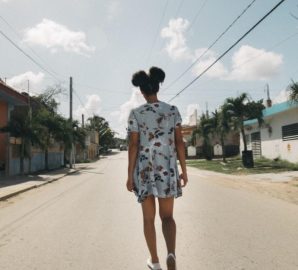
I was so excited we finally made our trip happen, I didn’t think to prepare myself for how we’d be perceived in Indonesia as two Black girls from Africa.

The Al Hassan case has the potential to shine light on the unique harm perpetrators commit against individuals based on their gender, which enforces patriarchal social norms and increases the potency of their crimes. It could also chart a path forward for international criminal law to define gender.
Some of the workers at Zimbabwe’s Hwange Colliery Company haven't been paid wages for years. Fearing reprisal if they tried to fight for them, their wives, mothers, and sisters have adopted their grievances, protesting for the wages and laying sporadic sieges at the mine’s gates.

Gender inequality and stringent cultural beliefs left women most vulnerable to the HIV epidemic. With the coronavirus, Malawi mustn't repeat the same mistakes.

As climate change and the pandemic inflate food sales, families in Kenya's slums, already sunken into poverty, are resorting to marrying off their young daughters.

Since the University of Zimbabwe was founded in 1952, no woman had ever been elected to the position of student representative council president. That changed in 2019, when 22-year-old Abiona Mataranyika was elected to the position.
On February 4, a Pan-African feminist lawyer (who would like to remain anonymous) decided she was tired of seeing manels day after day on Kenyan TV stations.
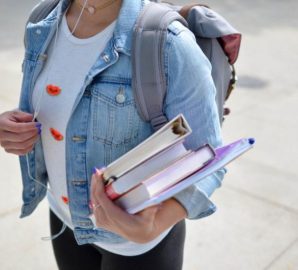
When I was 15 years old, I figured that if I wasn't accepted in any of the clubs at school, I might as well start my own, so I started a club that focused on empowering girls.

My parents married me off to my aunt’s husband, much in the way I’d seen other girls my age married off to older men in our Johanne Marange Apostolic Church community at home in Bikita.
I’m still learning today, but these are the three most important lessons that have helped guide this learning: Question everything. Learn so you can unlearn. Ask for help.

Continuous attacks by machete-wielding gangs against artisanal miners in Zimbabwe disproportionately affect women miners, highlighting longstanding impediments for women to access the sector and threatening the government's target for an annual mining revenue of $12 billion by 2023.