















Three lessons I’ve learned as a Christian, African, member of the LGBTQ+ community
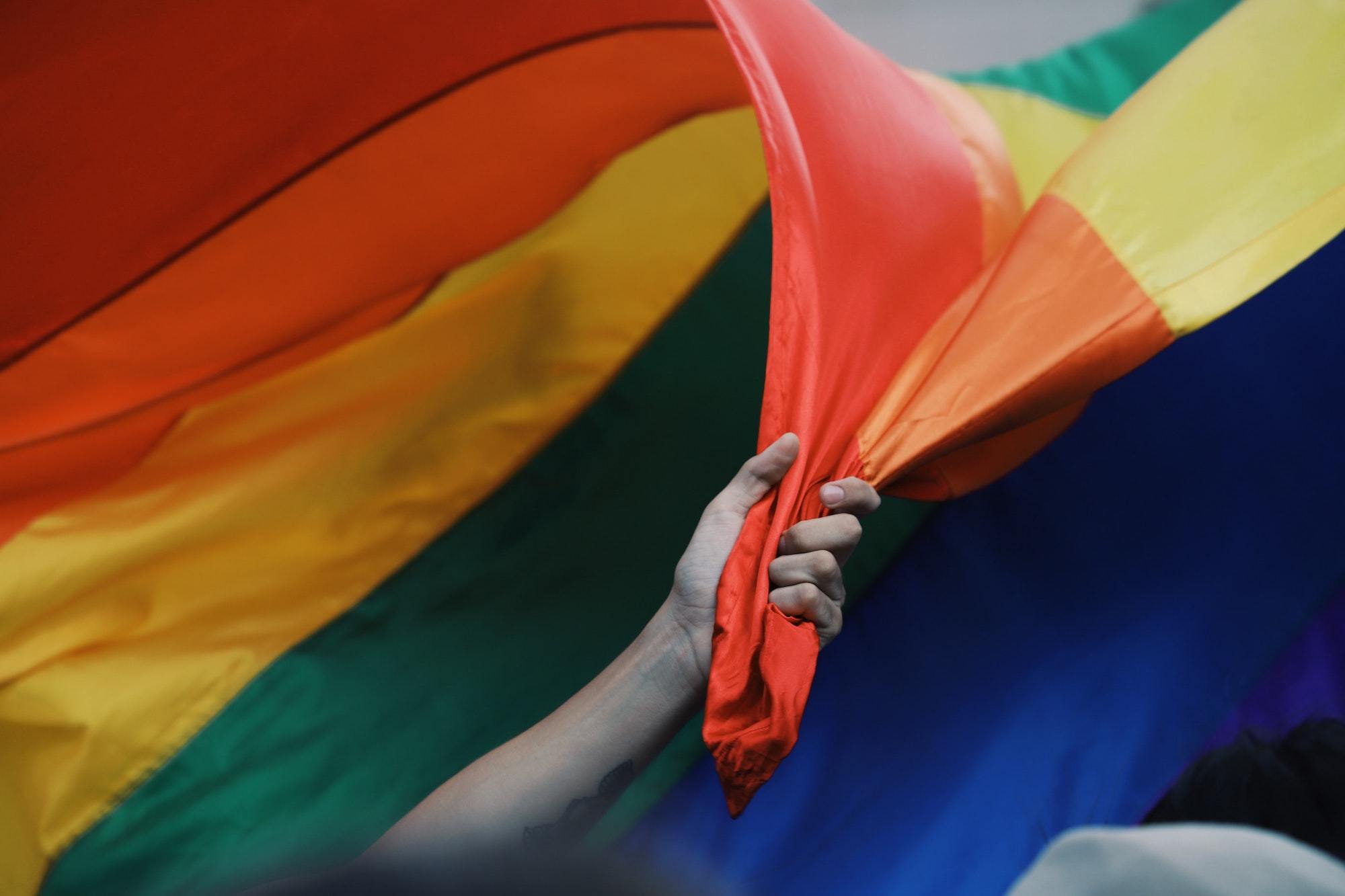
Growing up in a strict Christian African home shaped me into who I am today. My mother's youngest child, I was stuck to her hip and mirrored all her actions. She went to church a lot and worshipped with her heart. In my attempt to please her, and ensure she loved me as much as she loved religion, I followed suit. As a result, I passively participated in misogynistic and homophobic practices all throughout elementary and secondary school.
At the same time that I adhered to these practices, I had begun to form attractions to people of the same sex. I was confused and scared about how my Christian community would react if they knew about my feelings, as well as any possible actions I may take based on them. So at around the age of 16, I began distancing myself from God as a way of hiding from him. I was angry at myself for becoming the very kind of person I had been taught to shame.
After my IGCSE exams, I became friends with a boy a year younger than me — let’s call him Dave. He was very eccentric and colorful — a free spirit. He liked being the center of attention and did not conform to social norms. In short, he was everything I was not. This scared me but, at the same time, intrigued me. I wanted to know what made him so free at a time that I felt imprisoned.
Dave and I became fast friends, and he taught me one of the most important lessons: Question everything. The church had taught me not to ask any questions, as doing so is seen as blasphemy against the higher power. With what felt like a new permission to ask anything, I started with a question that was top of mind for me: Why are people gay? I remember googling this, expecting to find a simple and correct answer immediately. Instead, I found a lot of biased information, so I asked Dave the same question. He asked me a question in return: What’s wrong with people being gay? I told him what I was taught: It’s not normal. “Who defines what’s normal?” he asked in return.
I understood the point he was trying to make. “Normal” and “abnormal” are labels people give to things when they want to explain them away, when in reality some things just can't be explained and do not need labels.
My newfound superpower of questioning opened the way to more superpowers such as learning and unlearning. I remember the first time I was introduced to feminism; it was by my brother. He is the researcher of the family — he likes to pick apart and try to understand the reasoning behind any new information, after which he then determines his thoughts on it. So it was no surprise when one Saturday morning he came to my room and played Chimamanda Adichie’s TED Talk, “We Should All Be Feminists,” for me.
One of the biggest things that stood out to me about Adichie’s talk was her comment, "Some people will say, ‘Oh, but women have the real power: bottom power … But bottom power is not power at all, because the woman with bottom power is actually not powerful; she just has a good route to tap another person's power."
Growing up, I had been told not to be richer or smarter than my husband because it would frighten and intimidate him. I felt I had to compete with other women because I wanted to be the “best” woman picked by a man I had not even met. I had grown up designing my life so that it would not cause men discomfort. I was told that once I had gotten a man, I would have bottom power because I would be the caretaker and the one in charge of the important changes (with my husband’s consent, of course).
Regardless of whether or not I even wanted a husband, I realized I still had internalized so many of these actions designed to attract one. I had a lot to unlearn. So, I started small: During my first year of university, I stopped cooking food I didn't like. The year following that, I stopped cooking in general and survived on cereal and coffee. That was a power move for me. As Anna Wintour said, “Own your decisions and own who you are without compromise or apology.” I was done compromising on things that would not make me happy and apologizing for who I am.
This new strength and confidence in myself helped me readjust my relationship to religion. I started small; I asked my mum why she loved religion so much. Her reply was pretty surprising. She told me she didn't love religion. In fact, she didn't believe in it. Rather, she believes in Christianity. She told me religion as an institution has allowed the misinterpretation of the holy book, but that Christianity is about loving your neighbor and yourself. She told me Christianity was all about being Christ-like, and that I’ll be able to achieve this by following the Bible. This response shocked me to my very core. I realized I had approached a huge chapter of my life using the wrong lens.
I’m still learning today, but these are the three most important lessons that have helped guide this learning: Question everything. Learn so you can unlearn. Ask for help.
More articles by Category: LGBTQIA
More articles by Tag: Africa, Black, Women of color


