















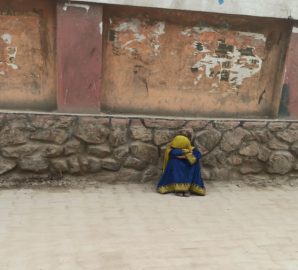
In early January, Taliban supreme leader Hibatullah Akhundzada quietly enacted the expansive “Criminal Procedure Code for Courts,” which effectively turns violence into everyday rule, patriarchy into official policy, and ideology into enforceable law.
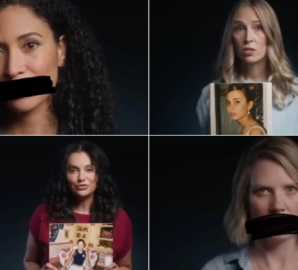
In addition to releasing the viral video, the group of survivors are demanding action from Attorney General Pam Bondi as well as backing new proposed legislation to facilitate legal accountability for perpetrators.
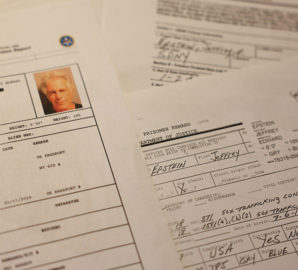
What will it take to prioritize women’s dignity and safety over defending the disclosure — on purpose or through reckless error — of private information?
Laura Bates, author of The New Age of Sexism, says: “We are building a whole new world, but the inequalities and oppression of our current society are being baked into its very foundations.”

A new report from the United Nations shows the prevalence of femicide throughout the world. Two scholar-activists call for addressing root causes.

Despite challenges, women-only cab service providers are hopeful that they can continue to expand.

International Women’s Day marches mark how feminist movements have exploded across Mexico, as elsewhere in Latin America — a region with some of the highest rates of sexualized violence in the world.

The UN Generation Equality Forum builds on the promise of the Beijing Conference of 26 years ago.

When police presence increases in response to incidents of violence, who will protect women from police?

Activists are pushing the Biden administration to do more than “undo the damage” caused by Trump.

As the world observes the International Day for the Elimination of Violence against Women on November 25, a new report shows the extraordinary anti-violence efforts made by women's rights organizations globally.

The Al Hassan case has the potential to shine light on the unique harm perpetrators commit against individuals based on their gender, which enforces patriarchal social norms and increases the potency of their crimes. It could also chart a path forward for international criminal law to define gender.

Although media attention to the problem has waned, the harsh reality is that between 64,000 and 75,000 Black women and girls are currently missing in the U.S.

Feminists have long linked oppressive gender dynamics to industrialized animal agriculture, noting that female animals and their reproductive organs are exploited for profit, under intensely inhumane conditions.

Research shows that social media exposes female politicians to online abuse, but it also enables them to engage directly with their constituencies without the bias of mass media.
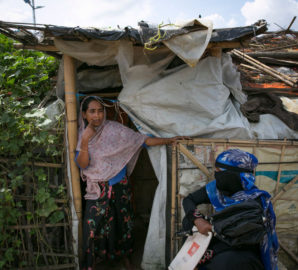
Burmese women are critical to understanding a country whose people have endured systematic violence and repression for far too long. They can’t be forgotten.

Gender-based and sexualized violence have gained new focus in South Africa in recent years. Femicide and rape crimes have increased at an alarming rate in the past four years; in 2016, a woman was murdered every four hours in South Africa, and by 2018, that rate rose to every three hours.

School administrators can choose to be proactive in making their schools safer from harassment and assault, or they can wait for their students to force their hands. Either way, they’d be wise to listen to their students.

I found that story after story included images of survivors of sexual violence that were gory and denigrating. They often depicted survivors in shredded clothes, fear-stricken eyes, and arms outstretched in appeal.

On April 9, 2019, Ivy Wangechi, a sixth-year medical student at Moi University in Kenya, was murdered. Like many stories of femicides that came before Wangechi’s, the media’s depiction of this murder was problematic.

As a young girl growing up in McKinney, Texas, I always viewed Hinduism as an open-minded and accepting, kind and forgiving religion. Yet, as I grew older, I noticed these religious values were often lost in the culture surrounding modern Hinduism; instead, this culture often seemed to neglect women.

The United Nations passed a watered-down version of a resolution to end sexual violence in war on April 23 after bowing to pressure from the Trump administration to eliminate all references to sexual and reproductive health and protections for gay and transgender victims.

The development in their case comes after a months-long saga in which the women, who said they fled to escape an abusive family and restrictive society, hid out in Hong Kong and stayed in various safe houses out of fear they could be intercepted and forced to return home.

Feminists all over the world are fighting to shift these conversations about consent toward a more nuanced understanding of the complex power dynamics that exist in all social relationships. ThaiConsent is one organization doing just that.

The practice of paying a bride price occurs in multiple African countries, although exact traditions and levels of legality vary. While some advocates want the practice to be eradicated, many Zimbabweans are still in favor of upholding the practice. Despite popular opinion, there is still very real damage done to women as a result of it.