
















A network of 47 midwives across Mexico is stepping in to provide essential prenatal care to pregnant migrants along their journey north.

As men migrate north to the United States in search of better lives for their families, the women left behind are taking on many new community responsibilities once occupied by their husbands.

Caught in the throes of overlapping social and economic crises, women in Venezuela there have almost no resources to protect themselves or their children from harm. Violence against women and girls — including incest — remains prevalent, and invisible, throughout the country.

International Women’s Day marches mark how feminist movements have exploded across Mexico, as elsewhere in Latin America — a region with some of the highest rates of sexualized violence in the world.

The Colombian Constitucional Court made history on February 21 by decriminalizing abortion until the 24th week of pregnancy.

On January 27, Xiomara Castro was sworn into office, becoming the first woman president in Honduran history.

In a landmark case for justice in Guatemala, five former paramilitary soldiers were convicted by a special tribunal of crimes against humanity for sexualized violence committed against five indigenous Maya Achí women during the country’s 36-year internal armed conflict.

About 400 women on average are prosecuted every year in the Andean country, blocking eligible women from accessing safe, timely, and free abortions. Underage girls are not exempt from such criminal prosecution and face sweeping sanctions, from restricted movement to mandatory community service, if convicted.

A kissing bug disproportionately affects Latin American immigrants. Author Daisy Hernández talks about the lack of urgency around diseases thought to be uncommon or eradicated in the United States.

While quarantining and practicing social distancing, watching artists perform online and through social channels has helped me — and so many others — feel not only entertained, but also less alone.

On March 9, images from Mexico City showed how IWD protests turned violent between women and police officers

The Mexico City government erected barricades around the National Palace of Government as a "wall of peace" intended to protect the historic building ahead of the 8M International Women’s Day protest on March 8, 2021. It did not go well.

The UN fact-finding mission on Venezuela documented physical and sexualized violence committed against women and girls who took part in anti-government protests, or who were perceived as dissidents, as activists and journalists are actively targeted by security forces under the Nicolas Maduro regime.
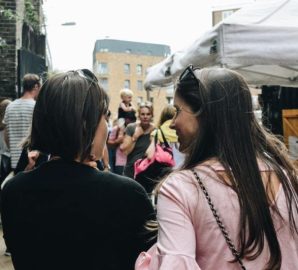
The feminist and the LGTBQIA+ movements in Latin America have started to criticize how Spanish and Portuguese express so much systemic prejudice and misogyny and are proposing changes to make them more inclusive.

Argentina’s new abortion law, a result of decades of feminist organizing, is spurring hope for expanded rights elsewhere in the region.

Will a new Netflix documentary on the history of rock in Latin America give rockeras their proper tribute?