















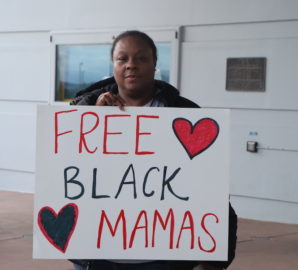
Thousands of women are being held in jail without having been convicted, but simply because they can’t afford bail. Advocates are pushing for reform.

In February, Spain’s parliament passed a series of laws that brought many improvements to women’s and transgender people’s lives.

The proliferation of attacks on LGBTQ rights, abortion access, voting rights, and immigration have prompted activists to intensify coalition-building work.

Her confirmation hearings showed an extraordinary contrast between Jackson’s worthiness and judicial temperament, and Republican senators’ tirades and temper tantrums.

As the U.S. tax filing deadline approaches, three recent reports reveal the tax law’s disparate impact on women and other groups.

The Supreme Court ruled in favor of women’s reproductive rights in a 5-4 decision on June 29 by striking down a Louisiana law that would have limited the state to a single abortion clinic.

On June 7, Iran passed a new law criminalizing the emotional and/or physical abuse of a child — the first of its kind in the nation.

This week’s Bostock decision creates stronger legal ground for more wins in housing, education, and health care, and in overturning the transgender military ban.

The COVID-19 shutdown is wreaking havoc on child visitations and family reunification.

The CAA’s language grants a legal path to citizenship for only some "persecuted minorities." Muslims, as well as groups like Tamil refugees from Sri Lanka, Rohingya Muslims from Myanmar, and Buddhist refugees from Tibet, are all left out.

Tunisian women from different ages and backgrounds have begun to share their sexual harassment stories on social media under the hashtag #EnaZeda — which means #MeToo in the Tunisian dialect.
An anti-abortion bill introduced to Ohio’s General Assembly on November 14 is causing controversy for requiring doctors to exhaust every possible option to save an unborn fetus, including “re-implanting” an ectopic pregnancy — a procedure that is literally medically impossible.

Human rights advocates are decrying the Trump administration's policy of requiring asylum seekers to stay in Mexico for the duration of their immigration proceedings.

Writer Alison Friedman reflects on what Christine Blasey Ford's courage has meant to many women.

The most critical voices among those pushing back against this recent onslaught of anti-choice legislation and rhetoric are those of people who have been pregnant or had abortions themselves.

The College Student Right to Access Act would make sure that once a student has decided to end a pregnancy, they won’t be forced to go off campus to see a provider they don’t know.

One of Donald Trump's first acts as president was to reinstate and expand the global gag rule. This conservative policy hurts people in developing countries that already have to endure systemic obstacles to access health care.

Five decades after that contentious moment in the fight for equality, it is still legal for employers to fire LGBTQ+ employees just because of their identity in most parts of this country. That may soon finally change.

On Wednesday, the House of Representatives passed a spending bill that includes the renewal of the Hyde Amendment. The amendment denies the use of Medicaid funds for abortion care with only limited exceptions.

In late February, Judge Miller ruled the male-only selective service draft unconstitutional. Miller’s ruling was a declaratory judgment, which means it does not order the government how exactly to amend the draft to make it constitutional, but it is still significant.

On June 4, the House Committee on the Judiciary held a hearing on “Threats to Reproductive Rights in America.” 18-year-old Youth Testify leader HK Gray testified at the hearing about the barriers she faced when seeking an abortion in Texas as a minor, including needing a judicial bypass to obtain an abortion.

Who gets to tell stories of black trauma and how and when should they tell them?

If women are going to seek abortion no matter the legal status of abortion in the country they live in, who will illegal abortion hurt the most? The answer can be found in examining how significant a role class plays in a woman’s decision to have an abortion.
A bipartisan group of legislators reintroduced The Pregnant Workers Fairness Act (PWFA) last Tuesday, with the aim of closing the gap between existing protections for pregnant workers and discrimination that still persists against them
Pro-choice activists are in mourning this week after the Alabama state legislature passed the country's most restrictive abortion bill and Gov. Kay Ivey signed it into law on Thursday.