















The United Nations passes a watered-down resolution to end sexual violence in war
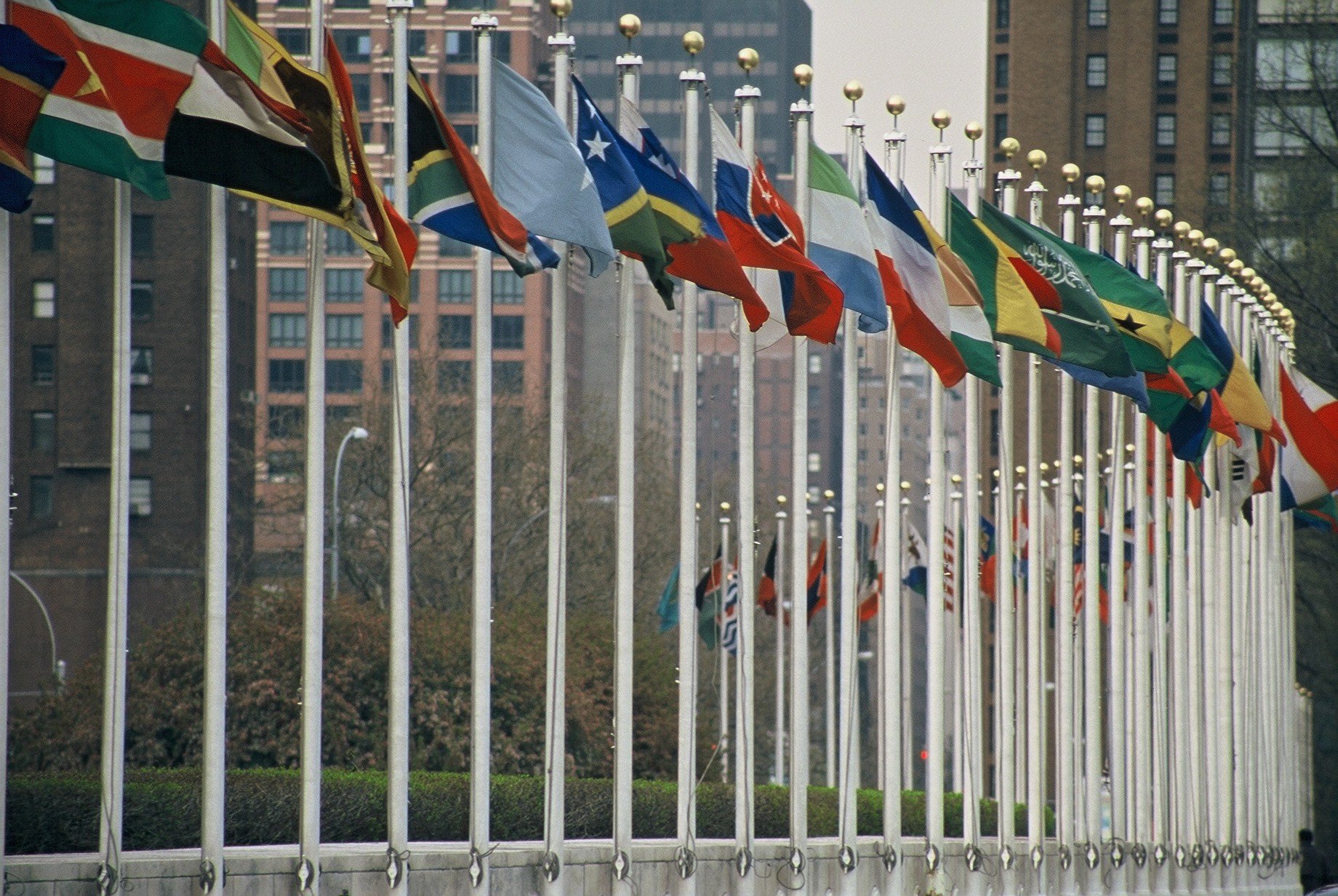
The United Nations passed a watered-down version of a resolution to end sexual violence in war on April 23 after bowing to pressure from the Trump administration to eliminate all references to sexual and reproductive health and protections for gay and transgender victims. While Russia and China also threatened to veto the resolution, the altered resolution passed 13-0 as both countries ultimately abstained from voting.
Several member states of the Security Council that voted in favor of the resolution, including the United Kingdom and France, still expressed frustration and disappointment at the Trump administration’s hardline stance on altering the text. "It is intolerable and incomprehensible that the Security Council is incapable of acknowledging that women and girls who suffered from sexual violence in conflict, and who didn't choose to become pregnant, should have the right to terminate their pregnancy," Francois Delattre, the French UN ambassador, told the BBC.
The initial draft of the resolution, put forward by Germany, called for “United Nations entities and donors to provide non-discriminatory and comprehensive health services, including sexual and reproductive health, psychosocial, legal and livelihood support and other multi-sectoral services for survivors of sexual violence, taking into account the specific needs of persons with disabilities.” The United States claimed that the term “sexual and reproductive health” in the context of this draft suggested support for abortion rights.
The final version of the document was altered to include this sentence: "Recognizing the importance of providing timely assistance to survivors of sexual violence, urges United Nations entities and donors to provide non-discriminatory and comprehensive health services.” According to the Guardian, the first draft of the resolution included calls to strengthen protections for gay, lesbian, bisexual and transgender people targeted during periods of conflict, but that language did not appear in the final document.
At the hearing on Tuesday, human rights lawyer Amal Clooney called for justice for victims of sexual violence in conflict areas, including territories in Iraq and Syria previously held by the Islamic State. Clooney — who was testifying at the hearing was the legal counsel for Nadia Murad Basee Taha, a Yazidi woman who was abducted and repeatedly assaulted by Islamic State militants — called the resolution “a welcome step forward” but also stressed that “we must go further.” She urged the Security Council to prosecute members of the Islamic State for war crimes, just as they high-level officials in the Nazi party were prosecuted after World War II. “This is your Nuremberg moment,” she told member states.
Murad, who was also present at the hearing, addressed the room, lamenting that thus far no individuals had been tried for perpetrating sexual violence against Yazidi women. “We come to the U.N.,” she said. “We deliver statements, but no practical steps are taken that include reconstruction or bringing the perpetrators to justice, or returning the victims and displaced to their homes.”
In recent months, the Trump administration has opposed the passage of any UN text that includes references to “sexual and reproductive health” on the grounds that the terms imply support for abortion, according to the Guardian. The administration has also pushed for the word “gender” to be removed from UN human rights documents and replaced with “woman,” seemingly to eliminate the inclusion of transgender people from UN protections.
The watered-down version of the resolution could make it easier for states accused of perpetrating or condoning the use of sexual violence during a conflict to evade providing comprehensive services to victims. While the original draft of the resolution called for expanded UN monitoring to track violations of the resolution, this provision was deleted from the final document. According to human rights advocates like Clooney, these changes to the resolution may mean that perpetrators of sexual violence are less likely to face justice on the international stage, including prosecution in the International Criminal Court (ICC).
More articles by Category: Disability, International, Violence against women, WMC Loreen Arbus Journalism Program
More articles by Tag: Abortion, Gender Based Violence, Rape, Reproductive rights, Sexualized violence, United Nations


