















In Mozambique, Community-Based Model for Reproductive Health Care Serves Women in Sex Trade
Aida spends her mornings like many other working people in Beira, Mozambique — out on the job. Her “office” is a mobile health clinic, where she and a team of three other women provide HIV testing, access to contraception, and other sexual health services for a designated neighborhood in the city. Their goal is to reach one key underserved population: sex workers. It’s a community they know well, as Aida and her team are current or former sex workers themselves.
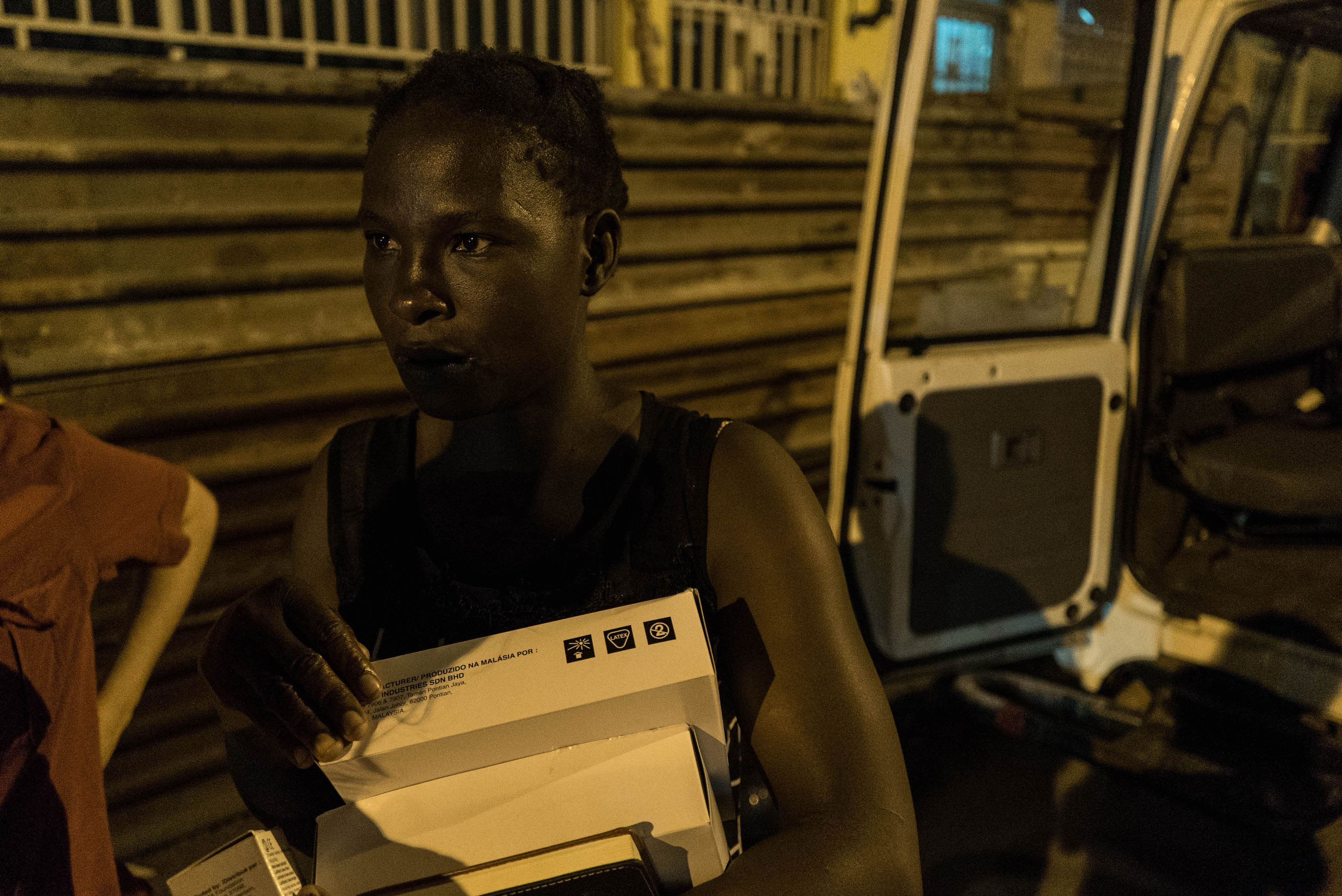
A peer educator for Médecins Sans Frontières (MSF) in Beira, Aida has received training to provide basic healthcare to other sex workers in the city. She may distribute condoms, run HIV tests, or refer women to hospitals for abortions and other services. In a typical day, she can reach about 20 sex workers, referring five or six to receive further care.
Mozambique has one of the highest HIV prevalence rates in the world, estimated to be around 17 percent among women of reproductive age. The World Health Organization estimates that 980,000 Mozambican women aged 15 and older are currently living with HIV. And a 2017 study in AIDS and Behavior suggests that HIV prevalence among sex workers may be as high as one in three women in some areas. A majority of these women are unaware of their HIV-positive status.
While prostitution is legal in the country, sex workers in Mozambique face significant cultural reproach, said Ivan Tarquino, MSF program coordinator in Beira. “They are not recognized as human beings, and they have no access to human rights,” he said. Instead, they are widely regarded through a transactional lens because of the work they do. “They are something that you can buy and have when you want, or something that you can beat without pain.”
Before MSF started working with sex workers, Aida said, she and her colleagues would often be written off by people in the community, from healthcare workers to police officers. This occurred in day-to-day life as well as when seeking medical care. “It was like, ‘Ah, you are a sex worker. What do you expect?,’” she said. “They treat us in a different way because of the life we live.” But now, she is the frontline healthcare worker, and these women know they can come to her without fear of judgment.
MSF is one of a number of organizations adopting a community-based model for HIV care in East Africa, specifically reaching out to sex workers to lead this work. In Zambia, the Zambia Sex Workers Alliance is collaborating with John Snow, Inc. and the Center for Infectious Disease Research in Zambia to distribute PReP and other HIV services to sex workers. In South Africa, Sisonke is a sex worker-led advocacy organization offering healthcare services and legal advocacy work to women in sex work facing human rights abuses. By training sex workers to test and educate other sex workers about HIV treatment and prevention, these initiatives are helping these women protect their own.
The World Health Organization is an advocate for this model — in 2012, the agency released a booklet with advice and tools for implementing HIV programs with sex workers. The first tenet of that approach: community empowerment, or training sex workers to take the lead.
However, despite the proven success of these programs, there is still a great need for reliable domestic funding and political support for these projects. A 2012 UNAIDS report notes that over 90 percent of sex worker HIV prevention programs in low- to middle-income countries rely on international funding, which can be inconsistent and reliant on forces outside the local organizations’ control.
MSF in particular gets 96 percent of its income from individual donors and private institutions. The organization has not taken US government funding since 2002, which allows it to maintain its operational independence but limits the options for monetary support and places a fundraising burden on the organization.
In Mozambique, MSF does integrate with the local healthcare system, working in collaboration with the Ministério da Saúde (Ministry of Health, MISAU). “MSF is well accepted and recognized by government and health institutions,” Tarquino said. In several health centers across the country, MSF providers “offer training and support to MISAU midwives, nurses, and counselors about safe abortion, family planning, and general health promotion.” In addition to sex workers, the organization focuses its efforts on men who have sex with men and the transgender community, two other groups vulnerable to stigma.
Aida loves her work because it gives her a chance to help her fellow sex workers, or as she refers to them, her sisters. If one of her colleagues develops a sexually-transmitted infection or is a victim of rape, they can call her and she will come to their house and talk them through their healthcare options. “They feel more confident because they are speaking with a person who is like them,” she said. “They understand the same problems, they have the same fears.” It makes it much easier for trust to develop, and in a community that is forced to operate discreetly, this is essential to keeping one another safe from harm.
More articles by Category: Gender-based violence, Health, International
More articles by Tag: HIV/AIDS, Africa


