















NYC Rats Are Receiving Free Birth Control – Why Not Residents?
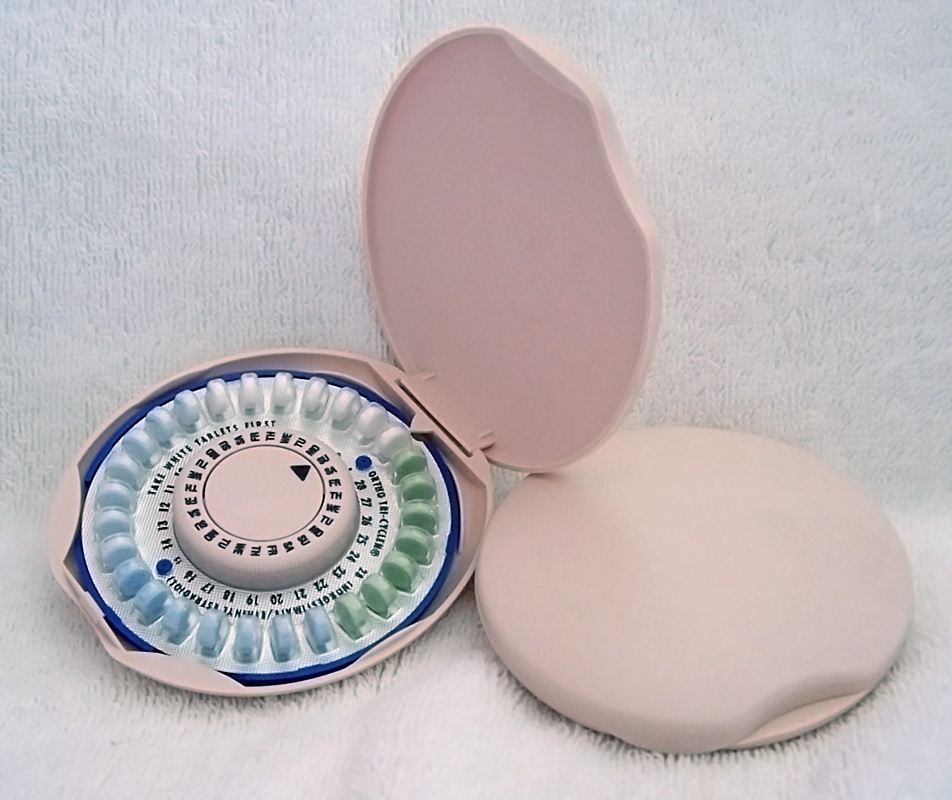
In September, the New York City City Council approved a plan to distribute contraceptives to rats in order to control the rising rat population. The city’s health department will administer salty pellets containing dissolved estrogen found in human birth control in rat migration zones to trigger dysfunction in female ovarian function and male sperm cell production. Contraceptives were deemed a humane method of dealing with the rat population as opposed to previous methods, such as using rat poison, which previously killed Flaco, an endangered eagle-owl who escaped the Central Park Zoo.
Thus, while contraceptives will be distributed freely to rats, they will remain unavailable to many New York City residents. Women in particular have been historically denied access to family planning tools like contraceptives and reproductive health care, and the ongoing failure to provide women with this access continues to endanger their autonomy.
To be fair, we’ve made some progress in terms of birth control accessibility in recent years. Under the Affordable Care Act, women with health insurance are eligible for free birth control. However, reporting has shown that even for women whose health insurance fulfills that requirement, finding the right free contraception for them can still prove difficult. Moreover, access to family planning tools and reproductive health care resources does not apply to individuals without health insurance, those who are covered by employers with religious restrictions, and individuals affected by limited access to family planning clinics. Additionally, the increased federal and state government attempts to restrict overall access to family planning tools and reproductive health care disproportionately affect marginalized groups.
What’s more, while rats will receive free birth control, they will be doing so against their will – an action that echoes the reproductive movement’s history in the United States. American birth control advocates, including feminist Margaret Sanger, tested birth control pills on Puerto Rican women without telling them they were taking part in a trial and would face risks. The political climate in Puerto Rico at the time was overrun by sterilization propaganda to control overpopulation, unemployment, and poverty covertly. Women opted for the option to take the free birth control pill rather than follow through with sterilization. Three women died from medical malpractice as supplies ran short and the dose of the pill was higher than the current standard, causing unbearable symptoms.
Animal rights are intertwined with human rights, and violating animals’ rights says a lot about a society’s views on the inherent rights of all living beings. The distribution of birth control to rats echoes the same colonial, exploitative mentality that has historically undermined human dignity and animal well-being.
As a first-generation Mexican American female college student, currently pursuing my bachelor’s degree after earning my associates degree, ensuring that I can take proactive measures to secure the future I want is essential to my well-being. The U.S. needs to work towards meeting the United Nations Universal Declaration of Human Rights by implementing similar insurance schemes as Latin American countries that have established universal health coverage.
Mainly, the U.S. needs to offer family planning resources to all and eliminate financial barriers anyone may face in accessing them. Inclusive policies and strategies to provide family planning resources with health coverage ensure access and equity in health services, especially to low/middle income and POC who often depend on public distribution of resources.
More articles by Category: Feminism
More articles by Tag: Reproductive rights, Reproductive health


