















Why Now is the Time for Newsrooms to Train Staff on Bias in Covering Women Running for Office
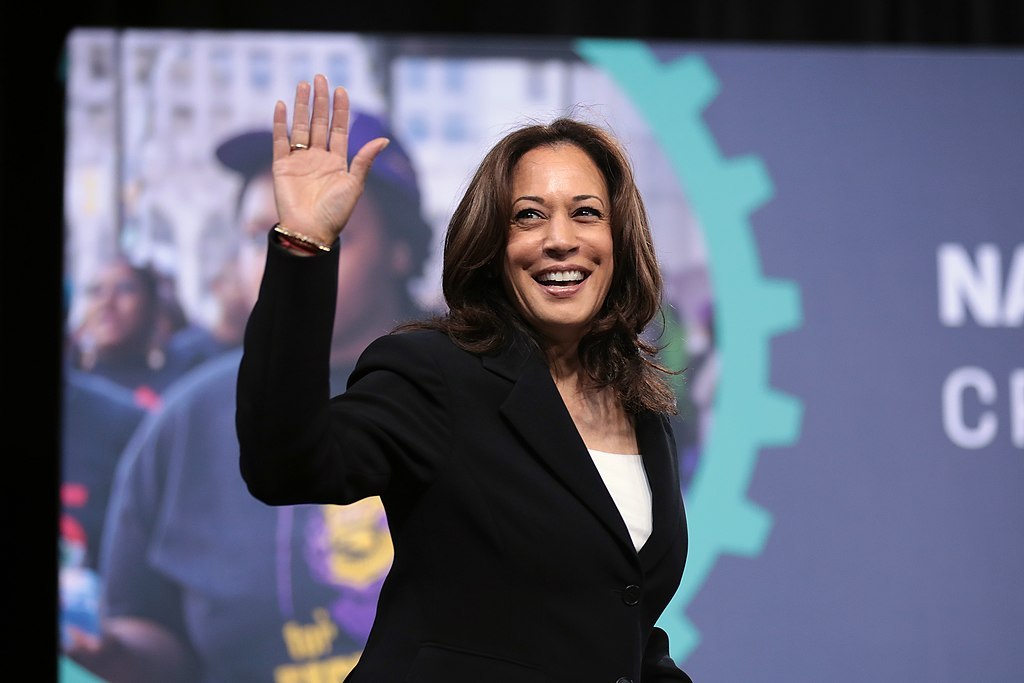
The first call that I got from a journalist the day after Kamala Harris entered the Presidential race was to ask about her fashion. And I’m sorry to say, while I was disappointed, I wasn’t surprised; I have seen the personal and electoral impact of biased media coverage on female candidates throughout my career.
I lead Ignite, an organization that trains young women to run for political office across America. Young women I have worked with and trained are running and winning political office all over America, and as they do so, they’re shaking up old-fashioned notions of what makes a political leader and bringing in fresh perspectives. Navigating the media landscape is critical to their success, but that media landscape is still rife with gender bias. The Washington Post ran a piece about Kamala’s wardrobe, and if you Google the term “Kamala Harris wardrobe,” you’ll find hits all over the world. It’s enough to make a person want to tear their hair out!
As we gear up for an intense election, this is the time for newsrooms across America to train staff about gender bias. Numbers help us see the scale of the challenge. A recent United Nations report found there has been no improvement in gender bias in the past decade. 90% of people still hold a bias against women, and 50% believe men make better political leaders. The Women’s Media Center’s research has examined the gender gap in newsrooms and found that men account for 57% of positions in the media. They work 64% of wire service jobs, editing the stories that get picked up most often around the world. Men write 73% of wire service stories. In print newspapers, women reporters account for only 39% of those covering elections. When it comes to political life, we won’t have gender parity in Congress until 2108.
Of course, men and women both push narratives. It’s not that one gender is more susceptible to pushing outdated ideas. That said, the people in politics and the people covering them are most often men. We can’t make changes without talking about and challenging bias in structures of power like the press.
What I’d like us to commit to here is the idea that we’re always striving to improve. Dress and image are, of course, critical to politics and how candidates communicate. What I would like is for us to remember that any conversation about a politician’s appearance needs to do service to how they are thinking about their messaging rather than ask simply, “Who wore it best?” For example, Donald Trump’s ties are generally bright red and alert, and his suits are boxy and conventional even though he could afford for them to be better cut. Joe Biden often wears aviator shades to convey an image of a man in control. If we’re going to focus on the appearance of one candidate, who happens to be a woman, then we should, at the very least, pay equal attention to her male counterparts’ efforts in the same regard.
The conversation I want journalists to be leading in America is about what the major candidates for the most important job in the world need to do to re-engage young people in politics. I’d also like them to take note of their own biases and privilege as they ask the questions they need to ask to get their jobs done.
For example, one of the biggest narratives I want people to be wary of is the “readiness” one. Women are very often told to wait when they consider running for political office. We have to ask a woman to run for office seven times before she does it. Meanwhile, we tell men to run for office as early as elementary school. The New York Times recently quoted a Black woman voter on this. She said America needs to redefine its sense of what “readiness” means. I couldn’t agree more.
Research by academic Jennifer Lawless also shows that there is much less bias towards female candidates than one might expect. The real challenge is getting young women to run for office in the first place. In that context, the media needs to stay on guard to avoid falling into stale narratives that set us all back.
The media should try to do better, and to be conscious of the important choices it’s making on these issues each day. That would represent genuine progress.
More articles by Category: Politics
More articles by Tag: Sexism, president, Elections


