
















When Carly Manes first began working in reproductive health and started having conversations with clients about their needs, she immediately noticed something: many of them wished there were more resources for parents who wanted to explain what abortions were to their children.

Infant formula brands are exploiting public health concerns by falsely suggesting they offer protection against COVID-19, according to new research.
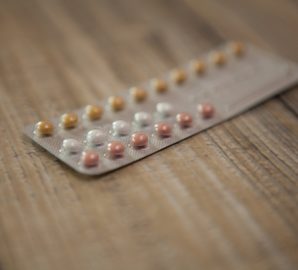
There are a number of reasons menstruating people (not just those who identify as women) take birth control pills.

Current advocacy is based on an understanding of the intersections of reproductive justice and economic justice.

While President Biden’s memorandum provides a welcome change to the dangerous situation established by the Trump administration, it only partly restores the status quo of four years ago. The timing, presentation, and language of the actions indicate that abortion rights advocates will have to continue to fight to make abortion rights a bigger priority for the Biden administration.

Argentina’s new abortion law, a result of decades of feminist organizing, is spurring hope for expanded rights elsewhere in the region.

There is a long list of actions the new administration and Congress should take for women and girls, but we can start with six things.

As we mark the 48th anniversary of Roe v. Wade this month, it’s crucial to recognize the landmark Supreme Court case was about more than abortion and bodily autonomy — it was also broadly about privacy and pregnancy.

On December 30, Argentina’s Senate approved legislation that not only legalized abortion until the 14th week of pregnancy, but also made the procedure free of charge.

Specialists in sexual and reproductive health say that gynecological violence is a form of violence with many varied expressions, from unnecessary procedures, the pathologization of physiological processes, medical misinformation and maltreatment, aggressive practices that provoke harm and injuries, and even inappropriate and violating comments like those that both women heard — all of which are experienced during gynecological care beyond pregnancy, childbirth, and puerperium.

Using lessons learned from a decade-long onslaught against reproductive rights, activists are embracing strategies including coalition building, mobilizing pro-choice religious communities, and eliminating abortion stigma.

A hurricane hits. The terror and stress caused by the imposing wind and rain affect nearly everybody’s mental health, but perhaps none more so than expectant mothers. Then that stress and the pollutants whipped up by the storm wreak havoc on their bodies, and their pregnancies.

Use our climate map to investigate the impact of climate change across the world on those it affects most: women, people of color, and indigenous and LGBTQ people.

Now that Justice Amy Coney Barrett has taken her seat, the ultraconservative court appears poised to curtail the Affordable Care Act and reproductive rights. The damage can be addressed with action at the local level.

Protests erupted this week in response to a new abortion ban, but the government has been attacking women’s and LGBTQ rights for years.

Pro-choice Christians have been sidelined by the vitriol of the Religious Right. But there are increasing calls for the pro-choice majority to make itself heard.

Women have never been more reliant on health care being remote.

The Paycheck Protection Program (PPP) doles out between $4 million and $10 million to controversial faux-abortion clinics known as crisis pregnancy centers.

Every hour, four girls under 13 are raped in Brazil.

In early July, the Supreme Court ruled 7-2 in favor of expanding religious and moral exemptions to the Affordable Care Act’s birth control mandate.

Rep. Abby Finkenauer, a Democratic congresswoman from Iowa, moved the House to pass an amendment that effectively doubled funding for endometriosis research.
A 2016 report revealed that one in five adult Brazilian women has had at least one abortion, which amounts to at least half a million women every year. Given that the practice is illegal, the number may be much higher.
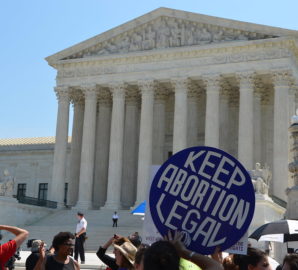
The 5-4 decision affirms recent precedent by overturning provider restrictions in Louisiana.

During the pandemic, governments have been curtailing rights—but activists are fighting back.

While “reproductive rights” emphasizes securing women’s legal access to reproductive care, reproductive justice emphasizes an intersectional framework that prioritizes bodily autonomy.