















Abortion is an essential service — during COVID-19 and always
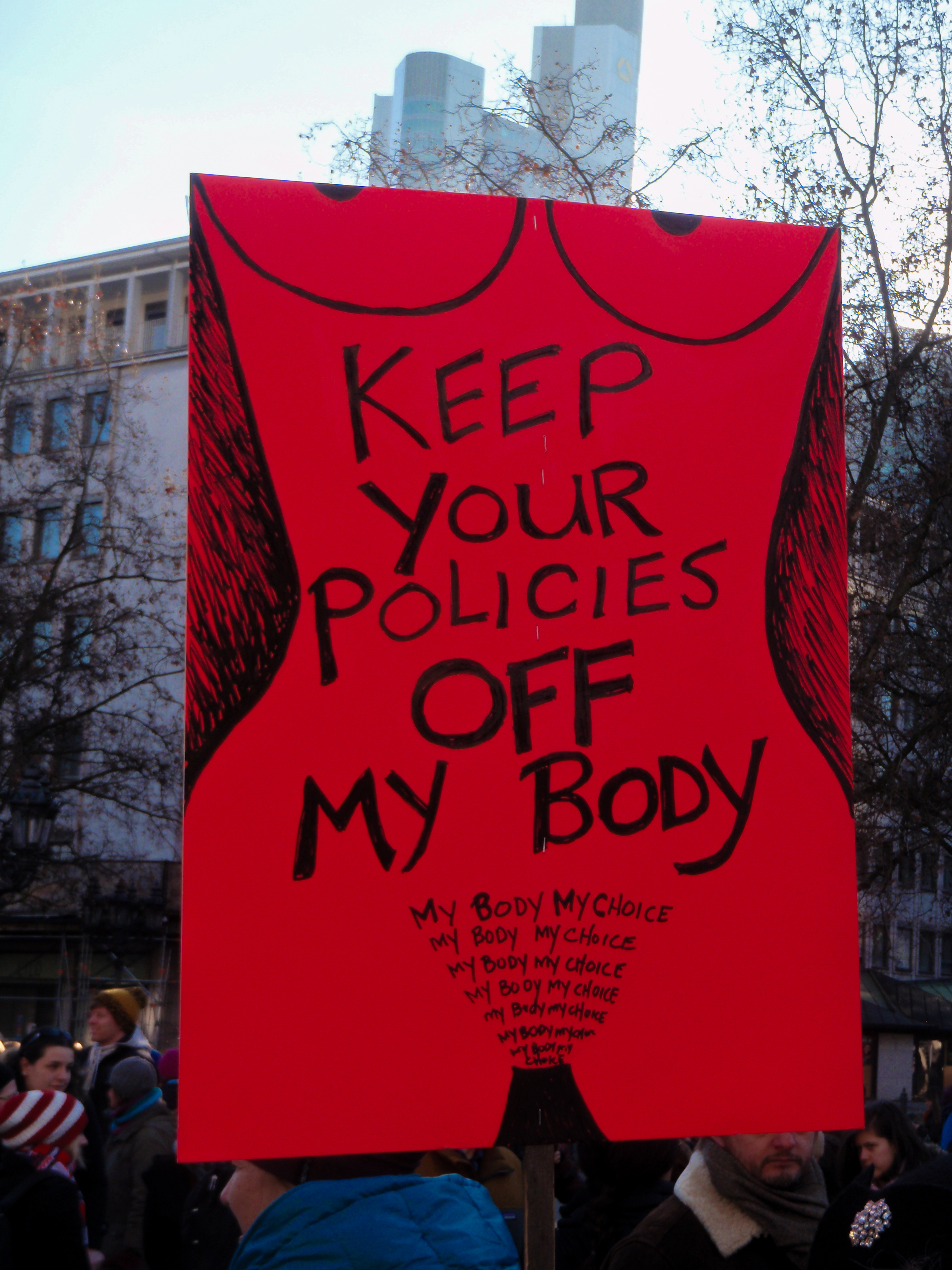
Six Republican-led states are attempting to ban abortions amid the coronavirus pandemic by claiming that abortions are nonessential medical procedures. In Texas, a violation of this ban would result in a $1,000 fine or six months in jail for the health care provider. For the people who need the procedure, though, abortion is essential. Not only is it a constitutional right to receive an abortion, it’s not a procedure that can wait until after the pandemic because of the time sensitivity and preexisting laws that already strictly limit the procedure.
The American College of Obstetricians and Gynecologists and the American Board of Obstetrics and Gynecology have stated that abortion is an “essential component of comprehensive health care” that uses relatively few medical resources, and therefore should not be banned during the coronavirus pandemic. While Texas governor Greg Abbott has said the ban on abortion is intended to preserve personal protective equipment and hospital capacity during the pandemic, most in-clinic surgical abortions require very little personal protective equipment. Medication abortions only require tele-medicine and a pill to terminate the pregnancy.
What’s more, abortion is a time-sensitive procedure: People who want an abortion cannot wait for this temporary ban to be lifted at an undetermined date. Generally, abortion is an option from very early pregnancy until about the 24th week, but the earlier in one’s pregnancy the abortion is performed, the more effective and safe it is. Depending on a state’s law, however, a patient seeking this procedure may find it difficult to find a health care provider who will perform an abortion after the 12th week of pregnancy. With a medication abortion, the prescribed pill is only effective until about 10 weeks of pregnancy.
This ban, therefore, forces people either to stay pregnant and have children against their will, or to travel up to 20 times farther than normal to another state to receive an abortion during a time when most Americans are supposed to be sheltering in place. Planned Parenthood clinics in nearby states are already reporting an influx of patients from Texas since the ban took effect in March.
Dr. Ashley Brant, an OB-GYN in Ohio, one of the states that moved to ban abortions, told Vox that many of her patients are experiencing fear in all aspects of their life due to the pandemic, and “they should not have to fear losing access to reproductive health care, too.”
Instead of banning abortions, perhaps governors should be focused on more useful and important ways to stop the spread of the coronavirus and how we can use our resources and funding to supply health care providers with personal protective equipment.
More articles by Category: Feminism
More articles by Tag: Abortion, Reproductive rights, COVID-19


