
















Since Roe v. Wade was overturned, abortion funds have adapted to the changed landscape to help keep abortion accessible despite restrictions.

Providers are gearing up for a possible ban on one of the two drugs used in medication abortion, as an anti-abortion group's lawsuit is expected to be decided this week.
In December 2022, Vice News released a report claiming multiple U.K. women had been denied transvaginal ultrasounds (TVUS) because they were virgins.

Mifepristone will be accessible in pharmacies and through the mail, but still-existing regulations may blunt the new policy’s impact.

Five months after the Supreme Court’s Dobbs decision overturned Roe v. Wade, providers face increased threats and harassment, emotional devastation, and the anguish of having to turn people away from accessing needed care. But they are determined to continue their work.

Plaintiffs in three states are seeking to overturn abortion bans on religious grounds.

Progress has been slow and unsteady, but activists are teaming up with elected officials to raise awareness and change laws.

On June 20, a joint investigation from The Intercept Brazil and the website Portal Catarinas found that an 11-year-old (who has remained anonymous) had not only been denied an abortion after becoming pregnant as a result of rape but was also separated from her mother, who was vocal about terminating the pregnancy, and sent to foster care.

Even before Roe v. Wade was overturned, reproductive choice in the United States was reserved for those with the appropriate social and financial resources.

For the first time in my young life, I feel well and truly hopeless.

What happens now? Advocates and organizations have been preparing for the overturning of Roe v. Wade.
The HPV vaccine will be added to the list of routine free immunizations given to girls in secondary school.
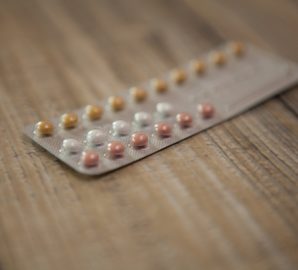
Dspite widespread use among college students, the pill is not the symbol of freedom it was once assumed to be.

If our abortion rights are taken away, who knows what other rights will be taken next?
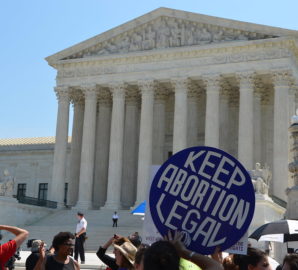
According to a leaked initial draft majority opinion written by Justice Alito, the Supreme Court has voted to strike down Roe v. Wade, the 1973 decision that protects a pregnant person's liberty to choose to have an abortion without excessive government restriction.

There’s no question abortion rights are in a crisis in the U.S. This year alone, 42 states have introduced at least 536 abortion restrictions, with dozens becoming law. And that’s on top of last year’s devastating record of antiabortion laws passed, including the news-making Texas abortion ban that allows anyone — literally anyone — to sue someone who helps a patient receive an abortion, from the provider to an abortion fund to an Uber driver.

In Lebanon, where childbirth care is highly medicalized and dominated by obstetricians in private hospitals, women are often persuaded to have cesarean sections, the revenue for which procedure is key for hospitals struggling to survive amid economic collapse.

Amy Coney Barrett and other members of the Supreme Court have shown outrageous disregard for the real impact of pregnancy.

Only one gynecologist serves the 8,000 to 13,000 people of reproductive age who need those services in the municipality of Shuto Orizari in North Macedonia’s capital city, the only municipality with a Roma majority in the country. And as of last month, he’s no longer on duty.

What are crisis pregnancy centers, masquerading as medical clinics, doing with women’s confidential medical information?

New proposed legislation from Uttar Pradesh, the most populous state in India, is being criticized by population and public health experts as not only unnecessary but discriminatory—particularly, against the state’s Muslim minority.
This year, the Guttmacher Institute published a mid-year report that found this was “the worst legislative year ever for U.S. abortion rights,” with 90 restrictions enacted in the 2021 legislative session.

Not only can the inability to bear children have a profound impact on Indian women’s identities — childless women’s very femininity is questioned — but it can also threaten their relationships, particularly their marriages.

The former state legislator, well known for her filibuster of a 2013 anti-abortion bill, speaks out on how and why we must keep fighting back against the erosion of reproductive rights.

A recent trend in anti-choice activism is rearing its ugly head again.