















The Time to Codify Roe v. Wade Is Now
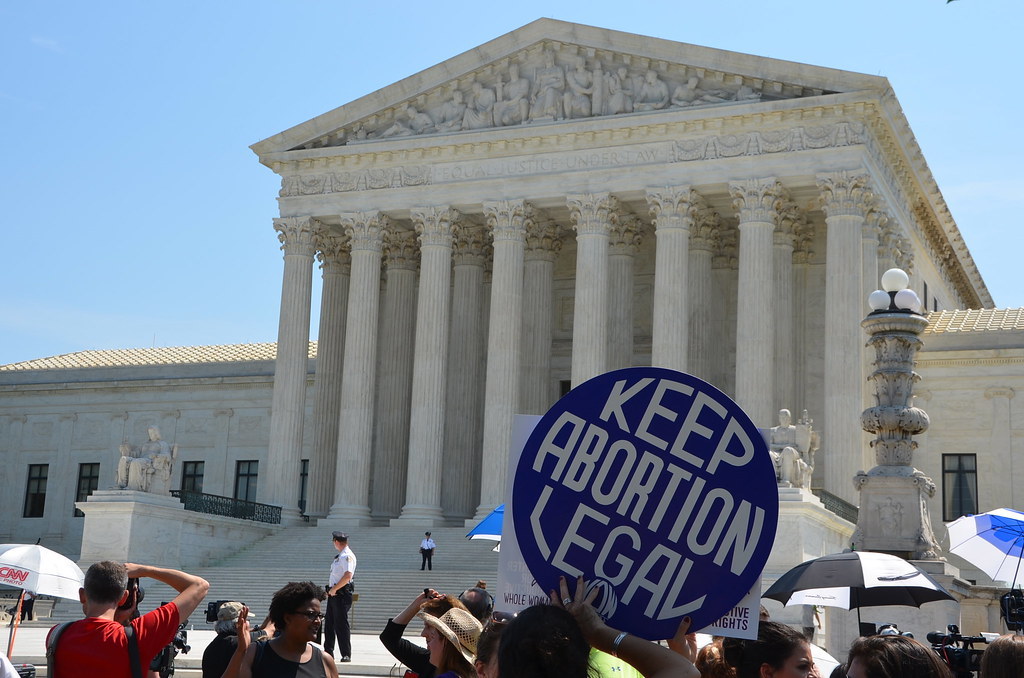
This year, the Guttmacher Institute published a mid-year report that found this was “the worst legislative year ever for U.S. abortion rights,” with 90 restrictions enacted in the 2021 legislative session. Because states can pass their own legislation regarding abortion, the Supreme Court has long had the power to make final decisions over a woman’s right to choose in this country. We need to codify Roe v. Wade now through the complete passage of the Women’s Health Protection Act so that states are prohibited from passing restrictive measures going forward.
I have witnessed firsthand what happens in a state where a conservative legislature takes matters into their own hands. In spring 2017, while I was interning at an Iowa Planned Parenthood affiliate, lawmakers passed legislation that enacted a mandatory 72-hour waiting period for those seeking abortion services and prohibited doctors from performing the procedure after six weeks.
The Iowa legislation was eventually reversed, but other legislatures have passed similar legislation that year and in the years since in conservative states. Most recently, in May 2021, Texas passed SB 8, which enacted a ban on abortion after six weeks with no exceptions. While six-week bans have been passed elsewhere, this law went further, allowing anyone to sue abortion providers and anyone who helped the person getting an abortion (for example, driving a person to their appointment). Anti-choice activists have rallied behind lawmakers like Governor of Texas Gregg Abbot and lawmakers in Iowa who have passed legislation of this kind. One leader in the anti-choice movement reported feeling “optimistic,” and that society is “ready for change.”
What’s more, progressive states have faced roadblocks in their attempts to pass pro-choice legislation. In 2015, California passed legislation that required establishments known as crisis pregnancy centers to advertise in writing that they were not a licensed medical facility so as not to “mislead” those entering. Anti-choice advocates challenged this legislation, saying this was in direct violation of their free speech. The case made its way to the Supreme Court, which ultimately reversed a lower court’s decision and sent the case back down for reconsideration. A federal mandate would prohibit the existing holding and decisions associated from being challenged.
And progressive states have their share of existing barriers to abortion access, too. For example, in New York, abortion access was still prohibited for some as recently as 2019. In 2016, Erika Christansen learned at 31 weeks that her fetus would not survive outside the womb, while simultaneously learning it was illegal to terminate a pregnancy after 24 weeks. Christansen became the face of an advocacy campaign that pushed for the passage of the Reproductive Health Act in New York state. When passed in 2019, the legislation changed the law which criminalizes abortion after 24 weeks, moving it from the penal code to the health code.
A federal mandate is the only solution to protecting a woman’s right to choose. When we rely on the Supreme Court, we end up in the situation we did in September regarding SB 8 in Texas; the Court could have intervened before the law was set to go into effect on September 1, but ultimately refrained, letting the legislation stand until further notice. And choices like this defy recent poll findings that 54% of the electorate support abortion’s legality “in all or most cases.”
Congresswoman Judy Chu’s Women’s Health Protection Act was brought to the floor for a vote on September 24, 2021, and narrowly passed. It has been sent to the Senate for a final vote of passage. If passed, all that is needed to finalize the law is the president's signature to eliminate all threats.
In December, the Supreme Court will decide on the legality of Mississippi’s 15-week ban, which could result in overturning Roe v. Wade. With this new era of empowerment for anti-choice activists and a conservative majority at the Supreme Court, there is a race against the clock as midterm elections approach. This may be the last chance to codify Roe v. Wade as the window of opportunity may close with pro-choice legislators’ razor-thin majority in jeopardy. The time to act is now; call your senators to urge them to pass the Women’s Health Protection Act so the president can sign it and end the threat of the consequences of overturning Roe v. Wade irrevocably.
More articles by Category: Health
More articles by Tag: Reproductive rights, Reproductive health


