















How Are We Still Legislating Women’s Bodies?
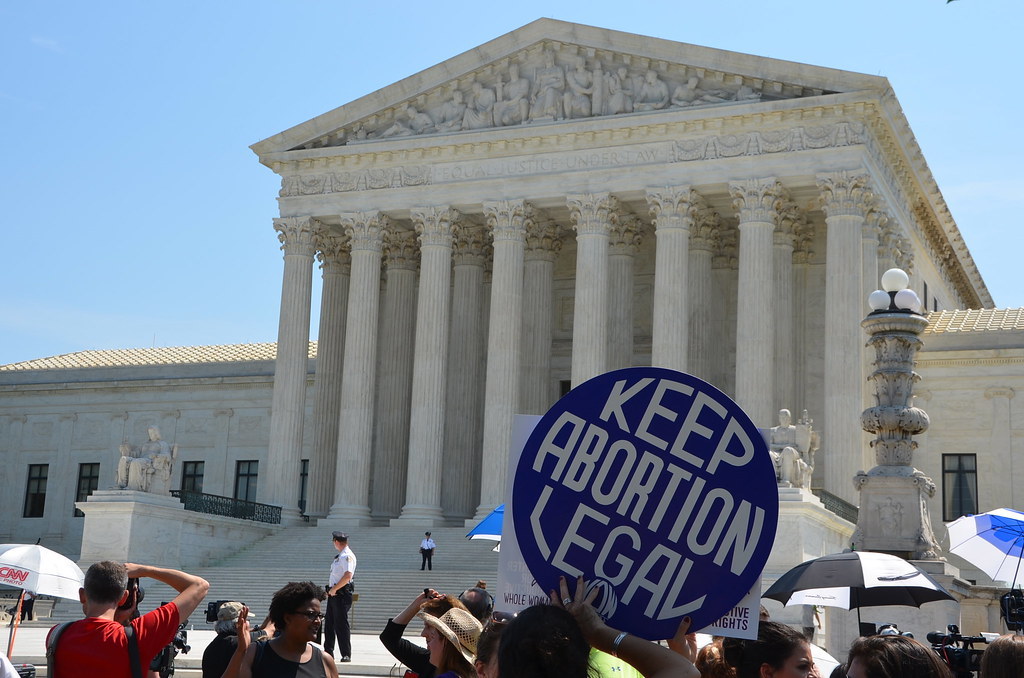
According to a leaked initial draft majority opinion written by Justice Samuel Alito, the Supreme Court has voted to strike down Roe v. Wade, the 1973 decision that protects a pregnant person's liberty to choose to have an abortion without excessive government restriction.
When I learned this news, I couldn’t help but flash back to then-Senator, now Vice President, Kamala Harris asking Judge Brett Kavanaugh during his Supreme Court confirmation hearing if any laws give the government the power to make decisions about the male body. He stumbled to answer the question because there are no laws, none whatsoever, that directly allow the government or others to make decisions about what men can and cannot do with their bodies.
So why are women’s bodies and what they choose to do with them something that the government thinks they have the right to govern and other people think they can vote and debate about — especially in a country as supposedly fiercely individualistic as the U.S.?
Even during a pandemic, amid thousands of deaths, a number of states allowed for personal and religious exemptions from the COVID-19 vaccine, and states that later took away those exemptions faced backlash. When the lockdowns were enforced and people were not able to go to their salon for a haircut, there were protesters that claimed that getting a haircut is “the American way of life” and the government couldn’t “take away my right to cut my hair.”
Why then, in the same country, when it comes to something as important as abortion access, which has been named an essential health care service by the World Health Organization (WHO), does the government have the right to govern the females’ bodies?
In the leaked opinion, Justice Alito argues that finally overturning Roe v. Wade will allow America to return its traditions and values. But what are American traditions and values? Rules that were created by white men in a patriarchal society in which women and people of color had no rights. Why are we perpetuating and even strengthening systems of power that were created under those conditions? The world has moved on from those days. Women have rights, including the right to protest in the streets against essential health care access being taken away from them.
What’s more, taking away abortion access will not stop people from having abortions; it will legislate who can and cannot get abortions. Those with the means and resources will always be able to get an abortion when they want it, but women of color, low-income women, and other vulnerable groups like the LGBTQI+ community will be less able to do so, or will seek unsafe abortions instead. Overturning Roe v. Wade will keep people trapped in poverty for generations and further exacerbate health inequities and social disparities.
If the goal is to reduce abortions, then rather than ban abortion, our government should use its power to increase comprehensive sex education and access to free birth control and free contraception. Access to essential care like abortion services should be codified in the law so that we can ensure that these rights aren’t threatened in the future.
More articles by Category: Feminism
More articles by Tag: Reproductive rights, Abortion, Reproductive health


