
















Experts fear that disruptions in health services could aggravate India’s already high maternal mortality and child mortality rates.

“Skateboarding is usually considered to be a boy’s sport, but we were meeting so many girls and boys who were taking to skateboarding and really thriving at it."

Overburdened and underpaid, India’s health workers, known as accredited social health activists (ASHAs) — all of whom are women — continue to work without sufficient PPE kits, facing harassment and stigma.

When Padma Thinles was 11 years old, he lived in a city called Leh, in the northern Indian territory of Ladakh, on the Western side of the Himalayas. Then, it was a small village with streams brimming with freshwater. Now, “forget the streams,” said Thinles, who is now 21 and still lives in the region.

As the COVID-19 crisis intensifies, women workers, especially those who are unmarried and in low-wage jobs, have been hit especially hard.

Seventeen-year-old Gurnoor Suri began her activist journey at the young age of 7 when she began donating her belongings to an orphanage she stumbled upon on her way back home from school.

Pregnant workers in the tea gardens of Assam, a northeastern state in India, lack access to basic health care facilities, much less to the comprehensive maternity care they need to ensure healthy pregnancies. And the confluence of poverty, lack of access, and lack of awareness speak to why the state's maternal mortality ratio is double that of India's average and the highest in the country.
Supporters of the ruling party have instigated threats and violence in an effort to silence women journalists.

The “love jihad” bill is yet another attempt by Hindu nationalists to demean and malign the Muslim population by portraying Muslim men as sexual predators who commit jihad by converting Hindu women to Islam.

A cocktail of structural barriers with law enforcement and throughout the judicial process — such as drawn-out, humiliating investigations and trials — ensures that justice for victims remains evasive.

The pandemic-related lockdown has exacerbated the isolation of India’s queer youth.

A new study predicts that there will be 6.8 million fewer female births compared to male births in India between 2017 to 2030, due to the country’s strong preference for sons and falling fertility rates.

Media coverage of sexual violence in India, both domestically and globally, has ignored the vast majority of rapes. Obscured from public view by the media, those stories that don’t make national and global headlines face near-insurmountable hurdles to justice.

Cases under India’s Protection of Children from Sexual Offenses Act are meant to be fast-tracked, but the reality of the judicial system's backlog often means that those cases can drag on for years. One of Delhi's most infamous and horrific rape cases is among them. Amid the long slog of court appearances, postponements — and now, the pandemic — a child victim grows up.

When an Instagram private group of twenty schoolboys from Delhi's elite schools fantasizing and degrading their female classmates went viral, it was supposed to offer a cultural reckoning for India's teens about misogyny and gendered violence. Then, it took a dark turn.
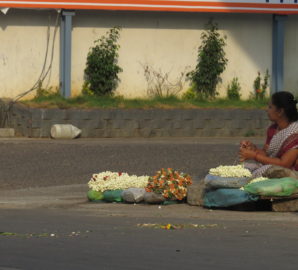
Since India went under a strict countrywide lockdown, the mostly women who make their living selling flowers, fruits, and fish every day on thoroughfares and platforms don’t know how they’ll feed their families.

Women Under Siege discussed the disproportionate impact of the occupation on women with Kashmir scholars Ather Zia, founder of Kashmir Lit and co-founder of the Critical Kashmir Studies Collective, and Nitasha Kaul, a poet, novelist, artist, and associate professor of politics and international relations at the University of Westminster.

In India, it’s now illegal for a man to have sex with his wife if she is under the age of 18. But anti-rape activists in India are looking at the next fight ahead of them: making the rape of adult women in marriage illegal.