
















No women were nominated in the category of Best Director at the Golden Globes even though there were more women-directed top-grossing movies in 2019 than in any year before.

The continued exclusion of female talent shows that major awards are based not on merit but on the biases of individuals.

Although several major film festivals have pledged to have equal representation for female directors by 2020, progress has been slow. Here is our year-end follow-up to our midyear report on how they are doing.

Waves is rare in its willingness to present a blurred marriage of volatility and sympathy without preaching or suggesting anything to the viewer. The movie itself crashes down on the audience like a wave, putting viewers in a state of constant unrest.
A new report from GLAAD (the Gay and Lesbian Alliance Against Defamation) shows that there has been an incredible improvement in the representation of the LGBTQ community across TV platforms this year.
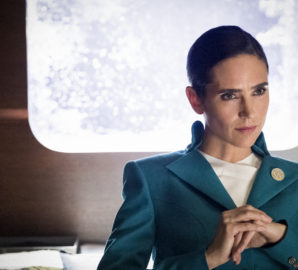
Showcases at New York Comic Con, an annual event for pop culture fans, indicate that the future is getting brighter for on-camera female representation in superhero/sci-fi films and TV. Behind the camera, progress has been much slower.

Even though Latinos are 18.3 percent of the U.S. population, research has found that only 4.5 percent of all speaking characters in top films are Latino — a number that has changed little over the years.

In early September, the news broke that Adele Lim, a screenwriter for the 2018 movie Crazy Rich Asians, was no longer involved with writing the next two sequels in the franchise. Why? Lim reportedly learned that while her white, male co-writer was offered between $800,000 to $1 million for this work, she was offered significantly less — around $110,000.

Roll Red Roll, a new documentary directed by activist Nancy Schwartzman, explores the enduring cultural implications of the Steubenville High School rape case by focusing on the role social media played in it.

Her adaptation of the film — the eighth — will not only highlight the feminist understones already present in the novel, but also examine the text with a modern eye, drawing on society’s increased sensitivity to gender fluidity.
Many assumed the famously red-headed Ariel would remain as such in the live action version, and Halle Bailey clearly does not fit that image. Shortly after Bailey was cast, #NotMyAriel started trending on Twitter.

This film takes place in 2006, at the height of over-surveillance of Arab and Muslim communities in a post 9/11 United States and gives viewers a much-needed view into the inner life of a Muslim American teen girl.

Beyoncé’s choice to place Black womanhood at the center of her new Netflix documentary, Homecoming, is a powerful form of social resistance.

Before Stonewall, lesbians were all but invisible in media. Fifty years of activism and advocacy have made a remarkable impact.
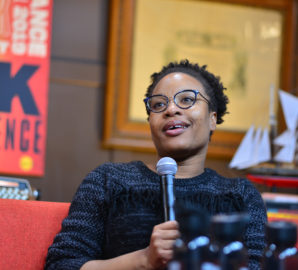
Film festivals are being held more accountable for not showing enough work by female directors. Here’s how some of the major festivals are doing since the 5050x2020 pledge.
The media monitoring organization GLAAD recently released the 2019 edition of their Studio Responsibility Index, an annual report that this year found that of 110 films released in 2018, 20 (or 18.2 percent) of them included LGBTQ characters, the second-highest percentage on record. None of these characters, however, were transgender or non-binary.

Referred to as the “mother” or “grandmother” of French New Wave cinema, Varda was a pioneering director who influenced a new generation of filmmakers by making movies with feminist themes.

Us not only imparts an eerie warning about the repercussions of idly living a life of privilege as people suffer beneath you, but takes the warning a step further by showing what can happen when the “outsiders” the privileged are so afraid of letting in, the people who have been pushed below and ignored, finally force their way in — and do so with a vengeance.
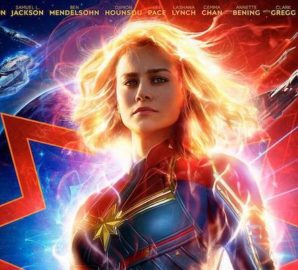
Can a superhero movie like Captain Marvel teach us anything about the “misinformation age” in which we currently live?
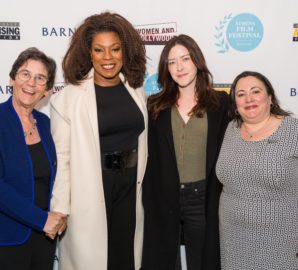
The ninth annual event showcased stories about women leaders as well as ordinary women who rise to meet the challenges in their own lives.

Ultimately, the impact of representation in movies benefits so many more women than just those in the film industry. When more women are represented, little girls who watch that representation can imagine themselves taking on those roles one day.

Nominations are a legitimate indication of who is worthy of not only cultural acknowledgment but a financial investment. This is why it’s crucial to pay attention not only to who is being recognized at the Academy Awards but also to who isn’t.

Thanks to the progress the #MeToo and Times Up movements have made in shining a light on the injustices women in the film industry face, I naively assumed that women would be better represented among this year’s award nominees. I assumed wrong.

South Africa’s entertainment industry has historically told monolithic narratives of black lives. While these narratives do reflect the reality of many black South Africans, they are not the only experiences of black South Africans and, moreover, not the only experiences black South Africans should be told are available to them.
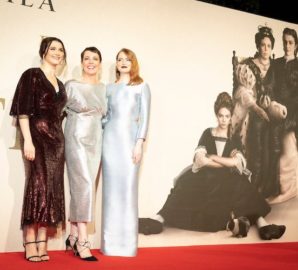
The Favourite leans into the intentionality of the female characters’ sexuality and of their savagery, giving each character her own agency over both of these forces and, in doing so, casting their actions as morally ambiguous.ar