
















Hundreds of thousands of rape cases in the United States are stalled as the evidence kits remain untested, sometimes for years. The HBO documentary I Am Evidence sheds light on the impact on victims and survivors.
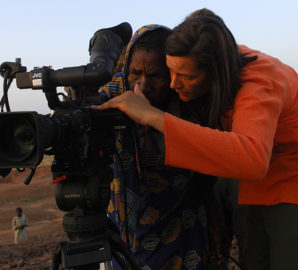
In its fifth year, the festival focused on the work of women cinematographers.
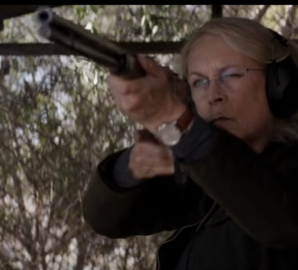
Bucking the trend of male heroism, many slasher films have opted for “the Final Girl”: protagonists who are victims of murderous circumstances — who weren’t looking to fight for their lives but rather had the fight thrust upon them — but who survive nonetheless.

Writer Asha French adds some missing context to the journey to self-acceptance shown in the Netflix movie.

This year is the 20th anniversary of the widely beloved romantic comedy Practical Magic, a film that argues sorority is the most powerful magic available to women specifically because of its ability to uniquely support and instill confidence in each other.

The latest report on diversity and inclusion in film shows little progress over the last 11 years. Marcie Bianco explores why there has been such stagnation, and what it will take to move the needle.

Popular but vicious characters like Regina George in Mean Girls, the spoiled but well-meaning protagonist Cher Horowitz in Clueless, and ambitious, cunning Blair Waldorf (Queen B of the Upper East Side) in Gossip Girl are all as beautiful, wealthy, self-centered, and ambitious as they come. There’s also another trait they all share, however, a trait that seems to be a key element of the “popular girl” trope: signs of have an eating disorder.

The Scarlett Johansson incident was hardly the first time a cisgender actor was criticized for taking a role many believe should have gone to a trans actor. In fact, a pattern of cisgender actors being cast as, and then inevitably critically acclaimed and rewarded for playing, transgender characters has emerged over the past few years.
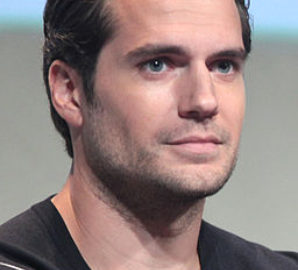
Neither the #MeToo movement, nor the basic acknowledgment of a woman’s agency, decrees the death of romance. The refusal to let go of traditional courtship, however, illustrates not just Cavill’s, but many straight men’s, inability to accept the possibility, let alone reality, of a shift in the balance of power between men and women and their equation of that shift in balance with the “death” of dating.

An average of more than 2500 people were murdered per year between 2008 and 2011 in Juarez, and female residents of the city have particularly been the targets of femicide, or killing women because of their gender. Yet experts estimate that only one out of every four cases of murdered women in Juarez are even investigated by authorities, and criminal charges were only filed in 2 percent of those cases.

When we talk about increasing and diversifying female representation in Hollywood, it seems it is women who feel the most pressure, who feel the most responsible, to counterbalance this misrepresentation by giving voices to a wide range of characters of different colors, ages, sexualities, and backgrounds.

The voracious-but-still-skinny-woman trope of a character rails against unrealistic body standards and eats tons of high-calorie foods, but somehow weighs very little herself.
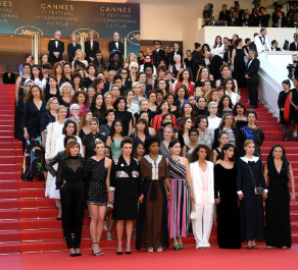
As Cannes promises more inclusion, a new study finds that women continue to be underrepresented at film festivals.

In contrast to the hypersexualized attire donned by the majority of female characters in fantasy/action movies, Ruth E. Carter’s designs are "feminine, masculine, beautiful, and strong," and challenge the conception that femininity and strength are mutually exclusive.

Three years after the launch of #OscarsSoWhite, activists are demanding Latinx inclusion.

The new Marvel blockbuster imagines an Africana womanhood impervious to the effects of colonialism.

Finally, audiences — many for the first time ever — get to see a complex black superhero supported by a majority black cast, who thrive in positions of royalty and power based on their society’s technological advancement, in an Afrocentric environment.

In a year when an unprecedented number of female producers brought stories about women to the big screen, Academy Award nominations could include more women than ever — but still, few women of color are likely to be up for awards.
As a woman of color, I feel like I have to make a choice when I watch movies. Critically acclaimed movies made by and about women don’t completely allow me to see myself.
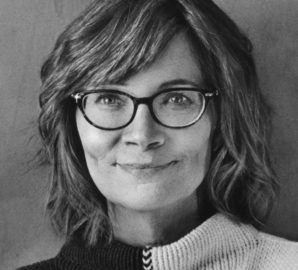
Washington Post film critic Ann Hornaday is one of the best in the business — and her feminist perspective on film and Hollywood is increasingly necessary these days.
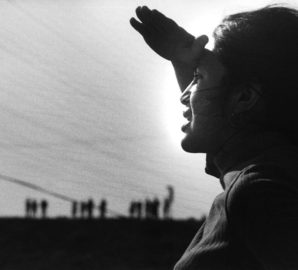
A new film spotlights the remarkable life and work of labor organizer and feminist Dolores Huerta. Emily Wilson talked to Huerta about the film and the activist's extraordinary contributions.

The Henrietta Lacks story, featured in a new HBO film co-starring and executive produced by Oprah Winfrey, shines light on medical injustices against African Americans.