















Adele Lim took a stand for women of color in Hollywood
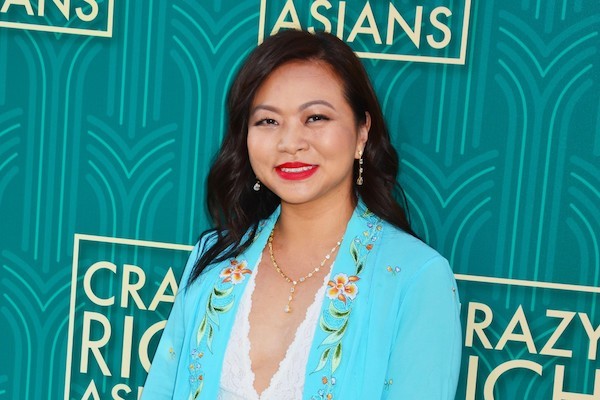
In early September, the news broke that Adele Lim, a screenwriter for the 2018 movie Crazy Rich Asians, was no longer involved with writing the next two sequels in the franchise. Why? Lim reportedly learned that while her white, male co-writer was offered between $800,000 to $1 million for this work, she was offered significantly less — around $110,000.
Crazy Rich Asians, a film based on Kevin Kwan's book of the same title, was lauded not only for its overwhelming commercial success (it grossed $238.5 million) but also for its historical representation of Asian actors. It was no surprise that Warner Brothers decided to release two sequels to the film over the next few years. What was unexpected was the aforementioned pay disparity between the writers, which the studio claimed was due to Chiarelli being a more seasoned screenwriter. While Chiarelli had most notably penned The Proposal (2009), Lim had never written a screenplay before co-writing Crazy Rich Asians. This defense, however, disregards Lim's past work as a television writer and producer and, of course, her contributions to the film.
Lim told the Hollywood Reporter that she was hired to be and viewed as the "soy sauce" of the production — to provide cultural specificity to the film. She was paid less because this was seen as her purpose, rather than contributing actual substance to the film's narrative. This, Lim added, is, unfortunately, the case for many women of color behind the scenes in Hollywood. "If I couldn't get pay equity after CRA, I can't imagine what it would be like for anyone else, given that the standard for how much you're worth is having established quotes from previous movies, which women of color would never have been [hired for]," Lim added. "There's no realistic way to achieve true equity that way."
Women of color — especially those working behind the camera — face many systemic barriers in the entertainment industry. According to a 2017 study, only 10.1 percent of film writers and 7.3 percent of directors are female. This underrepresentation behind the camera leads to a gap in accurate representation on camera, because there is a connection between the identities of those who work on a film and the identities that are then represented on screen. For example, 37.3 percent of movies written by women focus on female narratives as opposed to 29.5 percent of films written by men.
Warner Brothers claimed that the difference in pay between Chiarelli and Lim was based on "industry standard established ranges based on experience," but, as Lim pointed out, these standards only perpetuate the inequity of women of color in said industry. Recently, a number of women shared their similar experiences under the hashtag #NotWorthless, highlighting how prominent gendered pay inequities are in the film industry.
In February, Chiarelli himself pushed the studio to renegotiate Lim's salary in a range similar to Chiarelli's, but Lim declined. "Pete has been nothing but incredibly gracious, but what I make shouldn't be dependent on the generosity of the white-guy writer," Lim told the Hollywood Reporter. While it remains to be seen if Lim will ultimately renegotiate and rejoin the franchise, it's clear this dispute illuminates a greater reality of discrimination against women of color that needs to be addressed within the film industry in order to promote equity and authentic representation.
More articles by Category: Media
More articles by Tag: Women of color, Women's leadership, Film, Asian American/Pacific Islander, Equality


