
















The war in Congo is like a snake. Sometimes it slithers by and you see it and feel terror; other times, it hides in the trees, waiting. Everywhere I traveled in the country with the Nobel Women’s Initiative in February, I felt that ever-present fear—and exhaustion from so many years of being either attacked or on the lookout.
There were so very many stories. Stories of women physically torn apart, leaving stains of urine on chairs from fistula they suffered from violent rape. Stories about sexual enslavement that left teenage girls hysterically crying and unable to finish speaking. Stories of erasure—of women who had been left by their husbands and shunned by their own children because men had raped them.

I’ve been reading King Leopold’s Ghost, by Adam Hochschild, which tells the utterly brutal colonial history of the Democratic Republic of Congo. Early on in the book, the author laments the lack of African voices on record that tell the history of the country. Instead it is a history told by the conquerors, as all history generally is. There is no shortage of evidence, however, that the Europeans who colonized the area inflicted terrors on black men and women that are stomach-sickening.
Sometimes I read something that makes the movement of the world, the very air in the room, freeze to a stop. That’s what happened recently when I read a letter written by an activist in the Democratic Republic of Congo named Neema Namadamu. I read it once, then I read it again. Instead of describing why it had such a profound effect on me, I’m pasting it in full below.


In August 2010, reports began trickling out of Democratic Republic of Congo about another tragic episode of mass sexualized violence perpetrated by rebel troops over four days in the eastern town of Luvungi. But in a recent issue of Foreign Policy, a debate sprang up about the way outsiders have portrayed the attack. The controversy highlights the need for a more candid discussion about Congo.
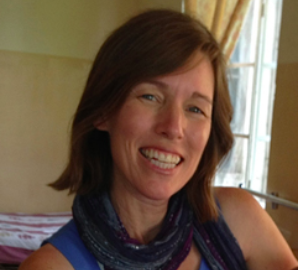


In many regards, Safiya Ishaq is an unremarkable 25-year-old. She is excellent at braiding hair but terrible at being on time. She studied fine arts at Khartoum University in Sudan. Not unusually for a student, Ishaq became involved with politics.
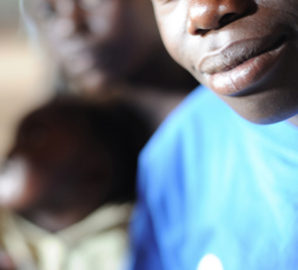

It’s easy to get bogged down in statistics of women who experience sexualized violence in the Democratic Republic of Congo. The numbers are staggering: A study published in the American Journal of Public Health in May 2011 showed that 12 percent of women in Congo had been raped at least once in their lifetime.