













Pro-choice religious leaders are an increasingly visible component of the growing movement fighting back against extreme abortion bans.

Pro-choice activists are in mourning this week after the Alabama state legislature passed the country's most restrictive abortion bill and Gov. Kay Ivey signed it into law on Thursday.

As lawmakers in many places turn their backs on women, new research shows that employees want companies to take on the fight for their reproductive freedom.

The United Nations passed a watered-down version of a resolution to end sexual violence in war on April 23 after bowing to pressure from the Trump administration to eliminate all references to sexual and reproductive health and protections for gay and transgender victims.

The Trump administration’s latest use of domestic politics to hold international rights hostage will cost women's lives.

In 2019, Uruguay will have presidential elections, and it’s more important than ever that organizations advocating for reproductive rights stick together and continue to keep fighting to educate their society and advocate for a continued cultural shift toward acceptance of women’s reproductive rights.

South Korea’s Constitutional Court struck down a 66-year-old law that criminalized abortion in the nation on April 11. Women’s rights and pro-choice activists who have long campaigned to overturn the ban celebrated the decision.

Without passing any major anti-choice legislation, the Trump administration has managed to curtail access to reproductive health care by radically altering federal policies.

Recently, reports surfaced of an 11-year-old girl from a rural area in Argentina who got pregnant after being raped by her grandmother’s partner. Mariela Belski, Executive Director of Amnesty International Argentina, told the FBomb more about this case and how Argentinian girls and women are fighting for justice thanks to the Ni Una Menos (Not One [Woman] Less) movement.

The culmination of over 70 scientists’ research, provides peer-reviewed evidence that feminist policies are extremely effective solutions to the mega-issue of climate change.

Over the past two years, an estimated 30 women have had miscarriages while in the custody of Immigration and Customs Enforcement (ICE), according to information released by the federal government and published by the Arizona Republic last week.

What’s so harmful about the Trump administration’s latest restrictions on reproductive rights health care? A lot, actually.

The practice of paying a bride price occurs in multiple African countries, although exact traditions and levels of legality vary. While some advocates want the practice to be eradicated, many Zimbabweans are still in favor of upholding the practice. Despite popular opinion, there is still very real damage done to women as a result of it.

This Alabama woman wrote a piece about the late-term abortion she wishes she had. With Donald Trump’s conservative agenda in action, will lawmakers listen to stories like hers?
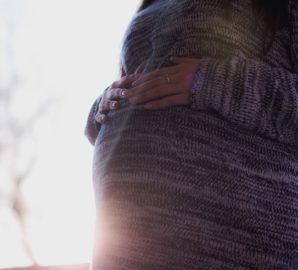
The government still controls mothers, especially those in marginalized populations, by criminalizing their bodies and the choices they make about them.

A new study shows that depictions of abortion on TV can dispel myths and destigmatize the experience.

According to a new study, there was an encouraging increase in diverse fictional depictions of abortion last year.
Should the ACA be overturned, it would be the latest development in a long history of discrimination against women in the health care industry.

A recent Amnesty International report released on December 10, the 70th anniversary of the Universal Declaration of Human Rights, reveals that women, particularly the most marginalized women in the UK, have been disproportionately affected by austerity measures implemented in 2010.

Jair Bolsonaro’s election as Brazil’s president at the end of October, and the threat of far right extremism it represents, comes on the heels of a reinvigorated fight for abortion rights all across Latin America.

Advocates warn that the expansion of religious refusals could open the door to more discrimination in other areas.

Beyond not feeling represented or seen by my doctors, the persistence of a binary understanding of sex and gender in the medical field has failed to account for the way I, and patients like me, deserve and need to be treated.

With the appointment of Brett Kavanaugh to the Supreme Court, anti-abortion activists see a new opportunity to overturn or gut Roe v. Wade.
From Brazil to México, from Chile to Venezuela, from Peru to Costa Rica, from Bolivia to Ecuador, the green wave protesters’ call for legal, safe, and free abortion has intensified. The right to choose is influencing and energizing the activists in these countries, and these countries’ political institutions are paying more attention to their activism.

In Brazil, abortion is currently only legal in cases of rape, when the pregnancy poses a major threat to the woman’s life, or in cases of anencephaly in the fetus. On August 3 and 6 of this year, a public hearing was held to discuss the possibility of decriminalizing abortion altogether.