
















Last week, the nonprofit organization Sandy Hook Promise released a graphic back-to-school PSA entitled “Back To School Essentials.”

Gen Z makes light of things like hypothetical WWIII drafts, climate change, and the forthcoming political apocalypse because dark humor is their response to being born into a world seemingly already on fire is to laugh at the flames.

Roll Red Roll, a new documentary directed by activist Nancy Schwartzman, explores the enduring cultural implications of the Steubenville High School rape case by focusing on the role social media played in it.

According to the National Sexual Violence Resource Center, two out of three girls are harassed and one in four girls are sexually assaulted by the age 18.

On February 12, Esquire announced the launch of a series of profiles of American adolescents. The first feature of the series, which also served as the magazine’s March cover story, focused on Ryan Morgan, a 17-year-old white Trump supporter from West Bend, Wisconsin. Controversy about the piece soon ensued.

In 2019, of the 895 spots Stuyvesant High School gave to the incoming eighth-grade class, only seven were extended to black students. The year before, only 10 black students were given spots, and the class of 2021 included only 13.

I recently launched the Instagram project @BeingDressCoded to create a space in which we don’t just observe individual stories about dress codes but can look for patterns and learn from a larger, collective story about sexism and sexual objectification.
Teens around the world are protesting for action on climate change. Some of the most prominent young activists doing this work are those involved in the group Zero Hour, which was founded by 17-year-old Jamie Margolin in 2017.

In November 2018, the beloved teen magazine Rookie released its final post, marking the end of an era. To its young, mostly female readers, Rookie felt like an ideal older sister — someone who was cool, wise, a little rebellious, and, most importantly, treated you like an equal. But as special as Rookie was, it was far from unique.

Rather than follow the longstanding social script that young people should feel shame about their sex lives, Sex Education normalizes the concept of teens asking questions about their bodies and relationships.

It’s not uncommon for Kenyan public schools to have a “no-hair” policy, meaning both girls and boys have to shave off their tresses, policies that are the legacy of colonialism and, as such, still perpetuate racism.

The next generation of feminists are being nurtured in Sierra Leone, and Moiyattu Banya-Keister, a Sierra Leonean educator and feminist, has created a safe space for this to happen: Girls Empowerment Sierra Leone (GESL).

On January 23, the New York State legislature passed the Jose Peralta Dream Act. This act is a significant win for immigrant rights in the realm of higher education, as it makes an estimated 146,000 DREAMers, or minors brought to the country by their undocumented parents, who attend New York public schools eligible for scholarships and financial aid that was previously unavailable to them.

Considering that dangerous ideas have already become rampant in our country, we have to be especially conscious of and actively work against the influence of media that spreads fallacies and hate speech.

In March 2019, the first private African satellite will be rocketed into space, thanks to a group of school girls based in Cape Town, South Africa.
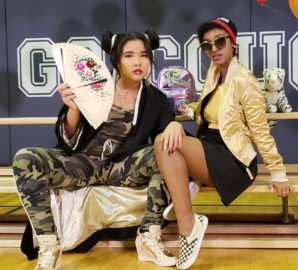
As a peer educator at Sex Education by Theatre (SExT), a youth-led, theater-based sex education program, I have a place to express my thoughts and frustrations about the precautions my friends and I take when we go out.

Girls marrying before the age of 18 are more likely not to finish their education, putting them at the risk of financial dependency.

Popular but vicious characters like Regina George in Mean Girls, the spoiled but well-meaning protagonist Cher Horowitz in Clueless, and ambitious, cunning Blair Waldorf (Queen B of the Upper East Side) in Gossip Girl are all as beautiful, wealthy, self-centered, and ambitious as they come. There’s also another trait they all share, however, a trait that seems to be a key element of the “popular girl” trope: signs of have an eating disorder.

Prout has been an activist and advocate ever since she was sexually assaulted by a student at the elite prep school St. Paul’s in 2014. She has since launched the hashtag and movement #IHaveTheRightTo. This month, Prout published a memoir: I Have The Right To: A High School Survivor’s Story of Sexual Assault, Justice, and Hope.

The West Virginia strike seems to have started a movement: Teachers in other states such as Arizona, Colorado, and, now, Oklahoma have followed suit and organized their own walkout movements.
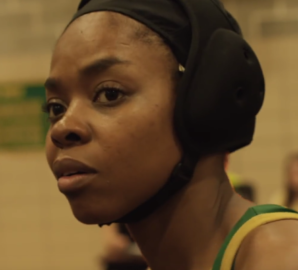
First Match (2018), the first feature film by writer-director Olivia Newman, tells the story of Monique a girl who competes on an all-boys wrestling team while simultaneously juggling the foster care system, school, and getting back in touch with her absent father.

I doubt that even years from now our world will be perfect, that all issues of violence will be solved. But I know I will no longer sit idly by when mass shootings kill kids. I will be able to look back and say that I did something.
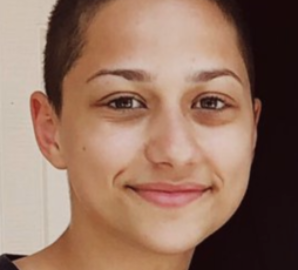
In light of women’s history month, it’s important to recognize and reflect on the successes of powerful young women. Indeed, much can be learned from how young female activists are using their voices to change the world.
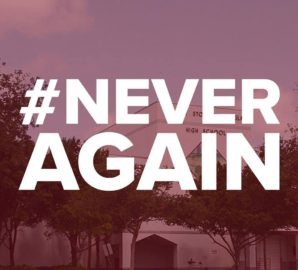
The teen victims of the Stoneman Douglas High School shooting quickly coalesced into a movement: They used the hashtag #NeverAgain to share their experiences on Twitter and made their message clear to mainstream media, too.

Sexist dress codes are yet another way our society sexualizes young women and tells them that they need to modify their bodies to prevent other people's discomfort.