
















Priscila Gama, a 34-year-old Brazilian architect and entrepreneur from wanted to do something to help women in the face of pervasive violence. In 2016, she and a team launched the Malalai app, which enables women to let pre-authorized friends follow their routes when moving around the city by any means, whether by foot, car, or public transportation.

Like Trump, the current front-runner in the Brazilian presidential election, Jair Bolsonaro, is white, far-right wing candidate who symbolizes a great threat to women and democracy in the country.

From Brazil to México, from Chile to Venezuela, from Peru to Costa Rica, from Bolivia to Ecuador, the green wave protesters’ call for legal, safe, and free abortion has intensified. The right to choose is influencing and energizing the activists in these countries, and these countries’ political institutions are paying more attention to their activism.
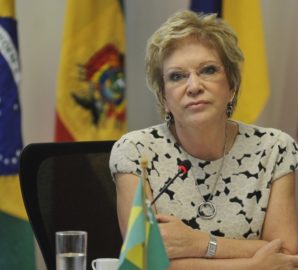
Suplicy, who is now 73, served in Brazilian politics for years. But even before her political career, Suplicy brought discussions of important issues straight to Brazilian homes through a television show called TV Mulher, during which Suplicy gave sex advice to female viewers in a political era of dictatorship.

People close to me transmitted the belief that, essentially, I alone was not enough, in the form of jokes, comments, judgments, and even silence. “You must find someone,” men and women, but especially women, told me, their words highlighting their own tired faces and worried thoughts.

In Brazil, abortion is currently only legal in cases of rape, when the pregnancy poses a major threat to the woman’s life, or in cases of anencephaly in the fetus. On August 3 and 6 of this year, a public hearing was held to discuss the possibility of decriminalizing abortion altogether.

Inspired by the late Marielle Franco, more women, especially black women, are feeling encouraged to participate in politics.

Marielle Franco’s murder was not an ordinary crime but one with a triple meaning: It was an act of femicide, black genocide, and an act of silencing the downtrodden.

Brazilian author PJ Pereira tells the Fbomb about how his best-selling trilogy of books about the Orishas, gods that are part of the indigenous Yorubá tradition, are helping the belief system be re-examined in Brazilian culture.

An average of more than 2500 people were murdered per year between 2008 and 2011 in Juarez, and female residents of the city have particularly been the targets of femicide, or killing women because of their gender. Yet experts estimate that only one out of every four cases of murdered women in Juarez are even investigated by authorities, and criminal charges were only filed in 2 percent of those cases.

For the first time, Diaz dismantles the mask he, much like Yunior, wore for years and shows New Yorker readers a surprisingly uncensored view behind it.