
















The first day of the retrial resulted in a 10.5-hour jury deliberation, but failed to result in a verdict. But on the second, Cosby was found guilty on all three counts of sexual assault. While the judge has not yet set a date to sentence Cosby, each of the counts is punishable by up to ten years in state prison.

By 17 years old, Brazilian swimmer Joanna Maranhão had already broken her country’s record by taking fifth place in the 400 meters at the 2004 Athens Olympic Games. Four years later, memories of the sexual abuse Maranhão suffered at nine years old at the hands of a former swim coach had come back to haunt her.

For the first time, Diaz dismantles the mask he, much like Yunior, wore for years and shows New Yorker readers a surprisingly uncensored view behind it.

I always assumed that if I found myself in a situation like this I would report it and feel a sense of justice. But when forced to confront it, the reporting process seemed vengeful and futile.

With every successful movement inevitably comes backlash, and the #MeToo movement is no exception.
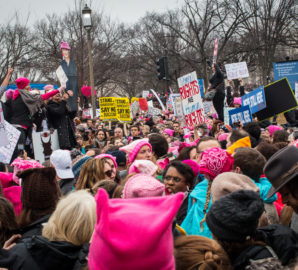
When we got off the bus, everything changed. I felt my innocence leave me that day as I began to grasp what it meant to be a woman.
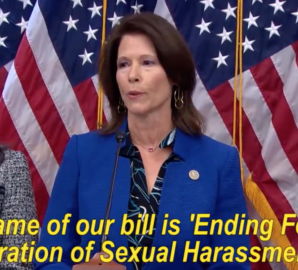
The Ending Forced Arbitration of Sexual Harassment Act aims to eliminate corporate policies that allow companies to silence victims of sexual harassment in the workplace.

“Women in Somaliland, especially younger women and girls, are now beginning to have hope for a better future,” 25-year-old Ahmed said of the bill, which is the country’s first piece of legislation to address sexualized violence.

Just as my initial coping mechanism post-assault was to demonize my perpetrator and eschew nuance in the name of healing, I worry that perhaps that has been our wider cultural approach.
Men have only been surprised by #MeToo because they haven't been forced to confront the ways in which women’s lives are so frequently tinged with the feeling that they must defend themselves against men’s tendencies to sexualize them.

Those accused of misconduct, assault, and harassment have ranged from small actors to big-shot producers, but almost all were male. Almost, but not all: female singer Timothy Heller recently accused alternative pop singer Melanie Martinez of assaulting her.
In trying to figure out what a feminist whose friend is accused of rape should do, I turn to the women who have already publicly responded to the men they know and trusted who were confronted with accusations of sexual misconduct.

While it is great that Brown’s case has been spotlighted, it is also important to realize that her story is symptomatic of a larger issue: the criminalization of child sex trafficking victims.

This is the first time a mastermind of mass rape has been held legally responsible in DRC. But the story doesn’t end here. There are still a few major issues to watch.

Today a historic conviction came down in the Democratic Republic of Congo. It was the first time an official or commander has been convicted of masterminding rape in the country.

In India, it’s now illegal for a man to have sex with his wife if she is under the age of 18. But anti-rape activists in India are looking at the next fight ahead of them: making the rape of adult women in marriage illegal.
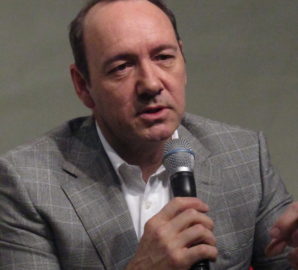
Sexual assault can and does happen to anybody, no matter their gender, race, sexuality, or any other factor. The more survivors who share their stories, the more those people are supported and believed by the public, the closer we’ll come to actually making a change.

It is 9 a.m. on November 9, and hundreds—maybe 1,000—people have gathered to watch something many believed would never happen: the trial of a group of men who allegedly gang-raped approximately 50 little girls, aged 18 months to 11 years, in a village called Kavumu. Justice has been four years in the making.
Over 12 million women — some famous, many not — have since used #MeToo to share their experiences with harassment and/or assault.

How I realized that “virginity” is a crucial element of a broader sexist culture that aims to oppress women through their bodies.

Unlike many other post-conflict African nations, Rwanda is working to support women widowed by the country’s 1994 genocide. With the establishment of care homes and other initiatives, the country’s elderly widows can finally find peace.

On computer screens thousands of miles away from one another, some of the world’s leading feminist figures joined in solidarity with women in the Democratic Republic of the Congo at the country’s first-ever women’s summit on September 14.

Rahaf feared going home. Her clothes had been torn, making visible the painful red welts that would turn into eggplant-colored bruises. On her arms and legs, her family and fiance would be able to see the round burn marks where they put out cigarettes on her skin.

In July of this year, Columbia University settled alleged rapist Paul Nungesser’s lawsuit against the school for gender-based discrimination. Nungesser was accused of raping then-fellow Columbia student Emma Sulkowicz, who gained attention for her 2014 performance-art piece Mattress Performance (Carry That Weight).

There are very few (if any) women who haven’t thought about it. We think about it as we walk to our cars after a night out, as we jog around the block after the sun’s been down for hours, as we watch our little sisters leave home. We clutch our keys between our fingers and tense our muscles.