
















While Girls Who Code made it clear to participants in the program that women in STEM face obstacles in the male-dominated field, though, I didn’t fully realize at the time the extent to which gender-based discrimination is common yet deceptively subtle in the field. I learned that as a computer science major in college.

Zimbabwean students, both male and female, are struggling to pay for higher education. In response, a number of female Zimbabwean university students have begun to engage in transactional sex to pay their tuition and otherwise survive.

Men comprise the majority of the debaters who compete in American Parliamentary Debate Association (APDA) events. The majority of the APDA debate teams’ leadership, as well as the members of the national organization’s executive board, are also men.

Last week, federal prosecutors charged 50 people in a scheme to get the children of extremely wealthy families into elite colleges across the United States. These revelations have prompted a public discussion of the many ways inequality is perpetuated in higher education.

In November 2018, the beloved teen magazine Rookie released its final post, marking the end of an era. To its young, mostly female readers, Rookie felt like an ideal older sister — someone who was cool, wise, a little rebellious, and, most importantly, treated you like an equal. But as special as Rookie was, it was far from unique.

Thousands of Albanian students are protesting on the streets right now. But even though the media has started to cover these protests generally, it has failed to note the feminist principles at the heart of them and how women in particular have contributed to the movement.

On January 23, the New York State legislature passed the Jose Peralta Dream Act. This act is a significant win for immigrant rights in the realm of higher education, as it makes an estimated 146,000 DREAMers, or minors brought to the country by their undocumented parents, who attend New York public schools eligible for scholarships and financial aid that was previously unavailable to them.
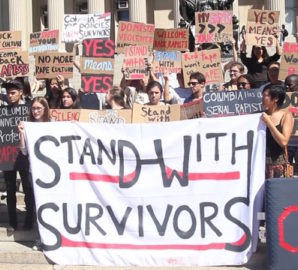
In November, Education Secretary Betsy DeVos released a proposal for new rules regulating how schools respond to issues like sexual harassment and assault. We are still in the midst of a comment period which could help stop these damaging changes.

Attending a conservative Christian college has been a special kind of hell for me as a feminist. But my experience has also shown me how important it is to stand up for your beliefs in the face of those who oppose you.
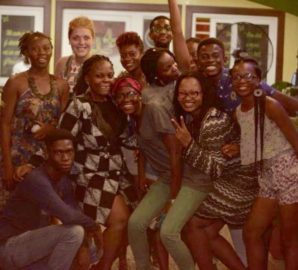
By creatively merging theater, dialogue, and activism in Ghana, Drama Queens, a nonprofit feminist organization, is challenging patriarchal norms and ideas and changing the damaging narratives about rape culture and sexuality that are deeply entrenched in many African societies.

On Friday, United States Secretary of Education Betsy DeVos released the Department of Education’s new proposed regulations for Title IX which put the burden of proof on sexual assault survivors to defend their claims of assault.

After almost a year of unprecedented media attention on the topic of rape culture, America’s newest college students may be better armed with a clear understanding of the once-taboo topic of sexual assault than any before them.

Students aren’t just vulnerable because of powerful professors whose prestige allows them to go unchecked, but also because nobody tells them what good relationships with professors are supposed to look like, or presents a clear pathway for how to develop them.

Our society has failed to recognize many manifestations of sexual violence as serious threats, engaging instead in a long history of blaming victims for their inability to extricate themselves from an unwanted sexual encounter.

I always assumed that if I found myself in a situation like this I would report it and feel a sense of justice. But when forced to confront it, the reporting process seemed vengeful and futile.

While conversations about the #MeToo movement’s impact on Hollywood have proliferated in the media for months, less attention has been paid to how the movement has affected other spaces, like academia.
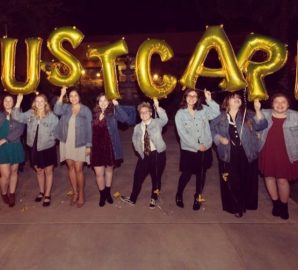
Removing the barriers to accessing safe and timely abortion is an economic justice issue.

I have found myself critically examining elements of my own privilege as an American from a metropolitan area that I had previously taken for granted.

The kinds of tactics politicians use to create and pass abortion restrictions are also used by anti-choice groups on college campuses.

With hookup culture come types of behavior and a set of expectations perhaps just as repressive to college women as any of the traditional gender norms or societal gender roles entrenched in our communities and institutions.

A House of Representatives committee has approved a bill that builds on the Trump administration’s erosion of Title IX.

Many women at women’s colleges dress in a way that transcends gender, in ways that do not align with societal expectations of how women are supposed to look. Our individual styles go beyond gendered expectations.

Contrary to some media takes, new research suggests that young women have a deep commitment to and understanding of feminism.

How can we be less insulated? There isn’t a simple answer to this question, but it’s clear that in order to truly understand and recognize each other, we must want to understand and recognize each other.

Emily White is a respected leader in both the music and sports industries. She launched her first company Whitesmith Entertainment in 2009 and has overseen the careers of various musicians and comedians who went on to create Grammy-nominated albums and Emmy Award-Winning writing. White also works with some of the best athletes in the world through her tech startup, Dreamfuel.