















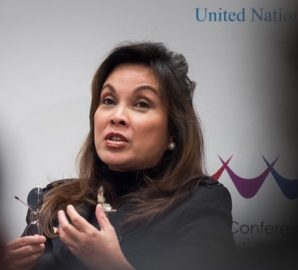
Activists whose work incorporates ecological, health, and equality campaigns have moved from protesting outside the halls of power to become elected legislators writing and passing the environmental protection frameworks that they campaigned for.

Demands to address gender-based violence have escalated after a social media movement and a brutal murder.

In Kashmir, a longstanding history of mistrust with the Indian central government stands in the way of more people getting vaccinated — including pregnant women, who are among the most vulnerable to COVID-19.
Experts fear that disruptions in health services could aggravate India’s already high maternal mortality and child mortality rates.
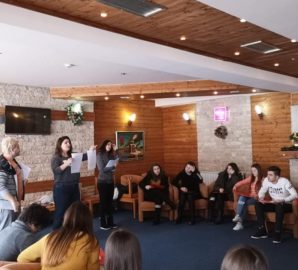
A new pilot program will be introduced in the upcoming school year to teach sex education to high school students in North Macedonia — and right-wing backlash has already arisen to challenge its implementation.

Uganda's new Sexual Offenses Bill, which passed in parliament in early May, is meant to strengthen existing protections against sexualized violence, but feminists and human rights advocates have criticized the new legislation as a veiled attack against LGBTQ+ Ugandans and those in the sex industry.

A luscious, green canopy outlines Cauca, a mountainous municipality in southwestern Colombia. These biodiverse forests are under threat from the damaging impact of narcotrafficking, and so are the indigenous people defending them. For environmentalist and politician Sandra Liliana Peña Chocué, the price of defending this indigenous territory was her life.

Overburdened and underpaid, India’s health workers, known as accredited social health activists (ASHAs) — all of whom are women — continue to work without sufficient PPE kits, facing harassment and stigma.

Women who have been victimized by displacement also find themselves preyed upon in the IDP camps (by camp officials and other IDPs alike), no access to justice or protection.

“Because We Are Girls” follows the story of three sisters on their journey to heal from the long-buried trauma of childhood sexual abuse decades before.

Without systematic laws and labor protections to acknowledge and defend their rights, LGBTQ+ persons working in Sri Lanka's economic zones are left at the mercy of their employer's biases.

As the COVID-19 crisis intensifies, women workers, especially those who are unmarried and in low-wage jobs, have been hit especially hard.

Infant formula brands are exploiting public health concerns by falsely suggesting they offer protection against COVID-19, according to new research.

The Philippines is witnessing a rise in women leading suicide missions, leaving the government challenged to simultaneously understand them and anticipate their next move.

Jineth Bedoya Lima has been forced to investigate her own case and take it to the Inter-American Court of Human Rights.

Royal Bahamas Police Force report that during the pandemic, more teenage girls have gone missing than in years past, and activists say it is part of a larger pattern of abuse.

Everard’s case shook the nation as an outraged public demanded more safety for women against pervasive male violence. And while a serving Metropolitan police officer remains in custody for her kidnapping and murder, the question of law enforcement's role in ensuring that safety provokes national conversation.

At a time when millions have experienced disruptions in their ways of working, traditional artisans — the original remote workers — offer lessons on the future of work.

Pregnant workers in the tea gardens of Assam, a northeastern state in India, lack access to basic health care facilities, much less to the comprehensive maternity care they need to ensure healthy pregnancies. And the confluence of poverty, lack of access, and lack of awareness speak to why the state's maternal mortality ratio is double that of India's average and the highest in the country.

On March 9, images from Mexico City showed how IWD protests turned violent between women and police officers

When a Telegram group called “Public Room” was discovered sharing private images and contact information of countless women and girls from across North Macedonia without their consent, the outrage was swift, but authorities' lackluster response to online crimes against women signals a critical need for more protections — and better enforcement.

The Mexico City government erected barricades around the National Palace of Government as a "wall of peace" intended to protect the historic building ahead of the 8M International Women’s Day protest on March 8, 2021. It did not go well.

The UN fact-finding mission on Venezuela documented physical and sexualized violence committed against women and girls who took part in anti-government protests, or who were perceived as dissidents, as activists and journalists are actively targeted by security forces under the Nicolas Maduro regime.
Supporters of the ruling party have instigated threats and violence in an effort to silence women journalists.
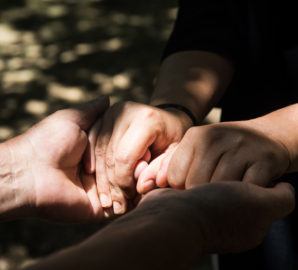
A father holds hands with his daughter, a survivor of sexualized violence during Kosovo’s 1998-1999 war for independence. Twenty-two years later, she is among thousands of survivors of systemic rape still awaiting justice.