
















While President Biden’s memorandum provides a welcome change to the dangerous situation established by the Trump administration, it only partly restores the status quo of four years ago. The timing, presentation, and language of the actions indicate that abortion rights advocates will have to continue to fight to make abortion rights a bigger priority for the Biden administration.

Argentina’s new abortion law, a result of decades of feminist organizing, is spurring hope for expanded rights elsewhere in the region.

In a country with one of the highest HIV prevalence rates in the world, a sex worker-led health care model succeeds in serving its own community.
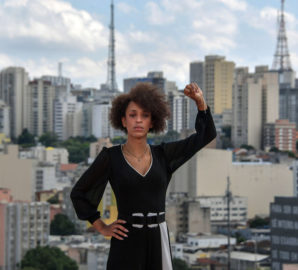
The growth in political representation of Black and trans women in Brazil's city governments has not gone unnoticed by right-wing parties, making them visible targets for racist and death threats and abuse.

In spite of the high mortality rate, large numbers of refugees are still continuing to cross. And for pregnant women, the road to Europe is all the more perilous.

Specialists in sexual and reproductive health say that gynecological violence is a form of violence with many varied expressions, from unnecessary procedures, the pathologization of physiological processes, medical misinformation and maltreatment, aggressive practices that provoke harm and injuries, and even inappropriate and violating comments like those that both women heard — all of which are experienced during gynecological care beyond pregnancy, childbirth, and puerperium.

When Cyclone Winston ravaged the island nation of Fiji in 2016, it came with 185-mile-per-hour winds and a massive storm surge that displaced thousands, and took away the livelihoods of thousands more. Amid the downed palm trees and debris, people became hungry and desperate.
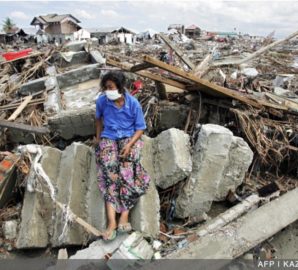
Poor countries often have broken governments, shoddy infrastructure, and few systems in place to help when there is a mass crisis — which is why the U.N. Development Program found that there is a severe difference in how people are harmed during a climate disaster, depending on whether they live in a developing or rich country.

A hurricane hits. The terror and stress caused by the imposing wind and rain affect nearly everybody’s mental health, but perhaps none more so than expectant mothers. Then that stress and the pollutants whipped up by the storm wreak havoc on their bodies, and their pregnancies.

Use our climate map to investigate the impact of climate change across the world on those it affects most: women, people of color, and indigenous and LGBTQ people.

The “love jihad” bill is yet another attempt by Hindu nationalists to demean and malign the Muslim population by portraying Muslim men as sexual predators who commit jihad by converting Hindu women to Islam.

While protests have seen unprecedented participation by young women, they have also been mired by sexual and gender-based violence against young women by the police. It is time for the international community to heed the call of Hong Kong-based activists and hold the government to account for this human rights crisis.

The conflict-torn Himalayan valley has seen a surge in mental health cases since the abrogation of the autonomous status of the region, with women among the most distressed.

As the world observes the International Day for the Elimination of Violence against Women on November 25, a new report shows the extraordinary anti-violence efforts made by women's rights organizations globally.

A cocktail of structural barriers with law enforcement and throughout the judicial process — such as drawn-out, humiliating investigations and trials — ensures that justice for victims remains evasive.

The pandemic-related lockdown has exacerbated the isolation of India’s queer youth.

A new study predicts that there will be 6.8 million fewer female births compared to male births in India between 2017 to 2030, due to the country’s strong preference for sons and falling fertility rates.
An interview with Anna Simone, a sociologist and a professor at the University of Roma Tre, about how women and men are scrutinized differently by the Italian media and public.

Media coverage of sexual violence in India, both domestically and globally, has ignored the vast majority of rapes. Obscured from public view by the media, those stories that don’t make national and global headlines face near-insurmountable hurdles to justice.

Protests erupted this week in response to a new abortion ban, but the government has been attacking women’s and LGBTQ rights for years.
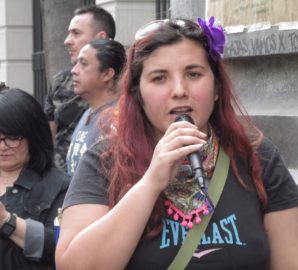
As the United States creeps towards Gilead, the people of Chile voted to rewrite their constitution with the mandated participation of 50% women.

The crises that compel refugees to attempt the dangerous journey to Europe haven't ended. Many, including pregnant women, continue to risk drowning, meeting violent pushbacks at sea and land borders, living in unsafe conditions in the camps, and facing racist violence and discrimination.

A new movement has sparked public discourse among Iranian women as they take to social media with their own #MeTooIran moments.

As the COVID-19 pandemic worsens food insecurity globally, community-based initiatives are stepping up.

Despite the government's pre-emptive measures to curb violence against women under lockdown, gender-based crimes skyrocketed during the state-mandated quarantine.