



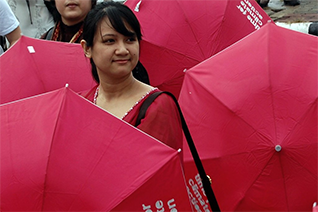











Overburdened and underpaid, India’s health workers, known as accredited social health activists (ASHAs) — all of whom are women — continue to work without sufficient PPE kits, facing harassment and stigma.

In this Q and A, the screenwriters reveal how the woeful sex education they experienced as teens in Texas fueled the plot of their new teen road-trip movie.

As the COVID-19 crisis intensifies, women workers, especially those who are unmarried and in low-wage jobs, have been hit especially hard.

Infant formula brands are exploiting public health concerns by falsely suggesting they offer protection against COVID-19, according to new research.

The proverbial bottom of American life being brought to light by the upending caused by COVID-19 is the reality that women’s labor is undervalued in and exploited by the capitalist system, and that the system grinds to a halt without women’s unpaid labor.

Stress, burnout, danger: The pandemic has only worsened existing crisis conditions for nurses and other health care workers.
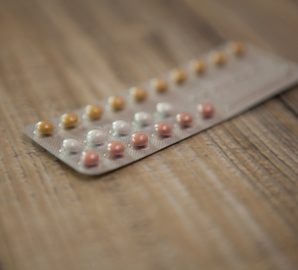
There are a number of reasons menstruating people (not just those who identify as women) take birth control pills.

I speak with my parents weekly; at first, I was incessantly worried about their safety in China, and now they are more worried about me, in the Midwestern U.S.

Pregnant workers in the tea gardens of Assam, a northeastern state in India, lack access to basic health care facilities, much less to the comprehensive maternity care they need to ensure healthy pregnancies. And the confluence of poverty, lack of access, and lack of awareness speak to why the state's maternal mortality ratio is double that of India's average and the highest in the country.

Current advocacy is based on an understanding of the intersections of reproductive justice and economic justice.

While President Biden’s memorandum provides a welcome change to the dangerous situation established by the Trump administration, it only partly restores the status quo of four years ago. The timing, presentation, and language of the actions indicate that abortion rights advocates will have to continue to fight to make abortion rights a bigger priority for the Biden administration.

Argentina’s new abortion law, a result of decades of feminist organizing, is spurring hope for expanded rights elsewhere in the region.

In a country with one of the highest HIV prevalence rates in the world, a sex worker-led health care model succeeds in serving its own community.

In spite of the high mortality rate, large numbers of refugees are still continuing to cross. And for pregnant women, the road to Europe is all the more perilous.

Specialists in sexual and reproductive health say that gynecological violence is a form of violence with many varied expressions, from unnecessary procedures, the pathologization of physiological processes, medical misinformation and maltreatment, aggressive practices that provoke harm and injuries, and even inappropriate and violating comments like those that both women heard — all of which are experienced during gynecological care beyond pregnancy, childbirth, and puerperium.

Using lessons learned from a decade-long onslaught against reproductive rights, activists are embracing strategies including coalition building, mobilizing pro-choice religious communities, and eliminating abortion stigma.

A hurricane hits. The terror and stress caused by the imposing wind and rain affect nearly everybody’s mental health, but perhaps none more so than expectant mothers. Then that stress and the pollutants whipped up by the storm wreak havoc on their bodies, and their pregnancies.

Use our climate map to investigate the impact of climate change across the world on those it affects most: women, people of color, and indigenous and LGBTQ people.

The conflict-torn Himalayan valley has seen a surge in mental health cases since the abrogation of the autonomous status of the region, with women among the most distressed.

Now that Justice Amy Coney Barrett has taken her seat, the ultraconservative court appears poised to curtail the Affordable Care Act and reproductive rights. The damage can be addressed with action at the local level.
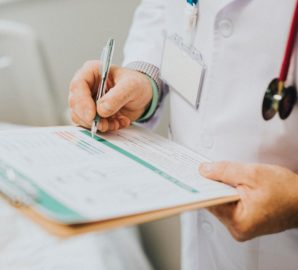
Cultures of institutions are almost always a product of not just their founders, but those who carry on their legacies. In the United States, the medical profession was founded by white men, and today, most physicians are privileged white men.

As the COVID-19 pandemic worsens food insecurity globally, community-based initiatives are stepping up.

Women have never been more reliant on health care being remote.
“I think it has become clear on a national level that there was and is extremely poor leadership."

Gender inequality and stringent cultural beliefs left women most vulnerable to the HIV epidemic. With the coronavirus, Malawi mustn't repeat the same mistakes.