















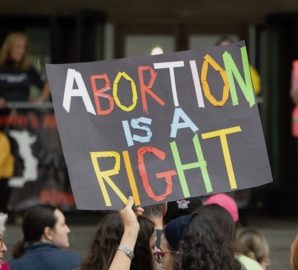
Three proposed measures would establish a right to abortion in their states, while one is intended to repeal an established state constitutional right to abortion.
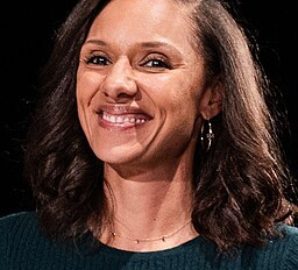
Can women’s historic wins bolster efforts to meaningfully improve the lives of women, girls, and gender-expansive people?
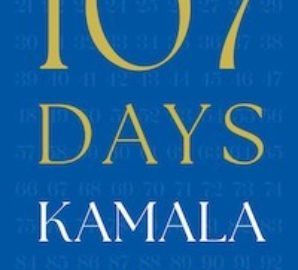
Harris’ memoir of the 2024 election shows how unfree she was both as vice president and as Democratic presidential nominee.
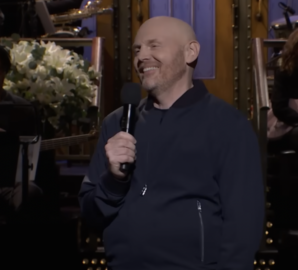
Saturday Night Live, a cultural mainstay that has offered healing and hope at pivotal moments of national crisis, chose instead to rub salt in the wound in its first post-election episode.
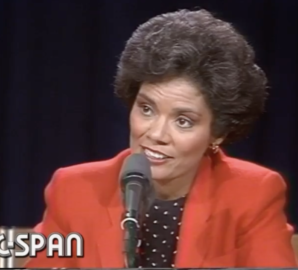
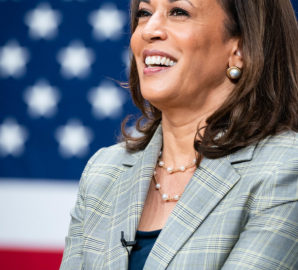
More than 100 women have run for president, and each one widened the possibilities of what a presidential candidate looks like.
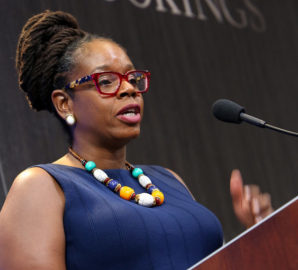
Campaigning during the pandemic has forced candidates to innovate and improvise.
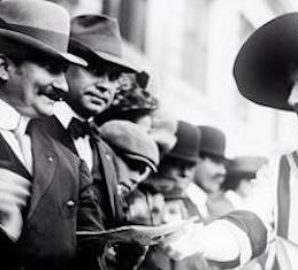
Media coverage surrounding the 100th anniversary of 19th Amendment, observed this week, offers deeper and more nuanced understanding of the suffrage movement.
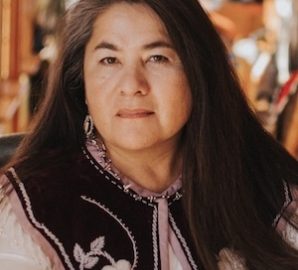
The 19th Amendment didn’t secure the right to vote for Native American women, despite their strong influence on suffragist ideas.
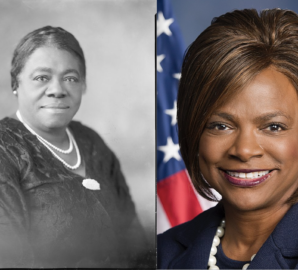
Despite the unfulfilled promise of the 19th Amendment, Black women have traveled an impressive distance over the last century, and continue to exert outsize political influence.
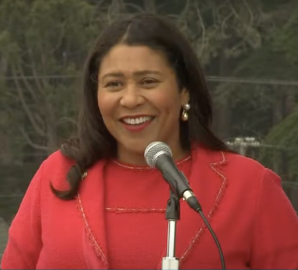
Wider implementation could help change the dramatic underrepresentation of women in elected office at every level.
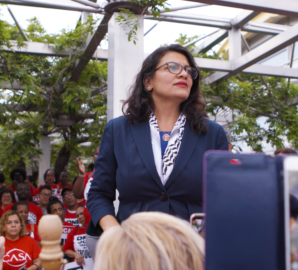
The docuseries, And She Could Be Next, shows that women of color are “changing what the face of leadership looks like” in the United States.

Research shows that social media exposes female politicians to online abuse, but it also enables them to engage directly with their constituencies without the bias of mass media.

Of the many topics about which moderators asked the Democratic candidates during the second round of debates on July 30 and 31, two crucial ones were noticeably absent: reproductive and disability rights.

“The take-home message is clear: We need more women in office to solve our environmental challenges,” said Fern Shepard, the president of Rachel's Network, which issued the new report.

Alicia Garza, the principal and co-founder of the Black Futures Lab, is determined to flip the where candidates talk about Black communities, but don't talk to them—beginning with "the largest survey of Black people conducted in the United States since Reconstruction."

Kathryn Kolbert, co-counsel in the landmark Planned Parenthood v. Casey Supreme Court case, gives her perspective on the current push to ban abortion — and what we can do about it.

After a narrow defeat in the Virginia legislature, the ERA campaign is heating up in several states.

A New York Times article examined how Democratic presidential candidate Sen. Amy Klobuchar has treated her staff members. Nichola Gutgold asks: Will other candidates be given similar scrutiny?

On Tuesday, in the run-up to the opening of the Indian legislature’s winter session on December 11, women’s groups came together to express frustration and outrage that the Women’s Reservation Bill, which aims to ensure Indian women’s equal representation in elected office, has not yet been passed.

Cooper's new book, Eloquent Rage, explores how women's anger can fuel social and political change.

A new study finds little diversity on political news teams, but researchers are left with more questions.

Women hold fewer than one-quarter of elected positions in the U.S. Eight top women's organizations are uniting to change this picture.

The Women's March marks its one year anniversary with huge turnouts at marches all over the U.S., and launches a campaign to mobilize candidates and voters.

While American women reach new milestones, including holding a record number of seats in the Senate, their representation in national legislative office still lags behind a hundred other countries, including falling two places below Saudi Arabia, which is notorious for its terrible treatment of women.