
















As the world observes the two-year mark of the global pandemic, we take stock of the devastating impact on incarcerated women in the U.S.

Experts fear that disruptions in health services could aggravate India’s already high maternal mortality and child mortality rates.

As the COVID-19 crisis intensifies, women workers, especially those who are unmarried and in low-wage jobs, have been hit especially hard.

Stress, burnout, danger: The pandemic has only worsened existing crisis conditions for nurses and other health care workers.

At a time when millions have experienced disruptions in their ways of working, traditional artisans — the original remote workers — offer lessons on the future of work.

There is a long list of actions the new administration and Congress should take for women and girls, but we can start with six things.

The pandemic-related lockdown has exacerbated the isolation of India’s queer youth.
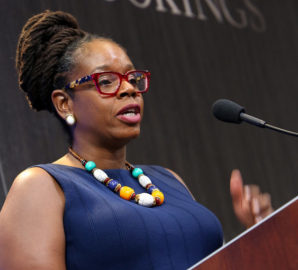
Campaigning during the pandemic has forced candidates to innovate and improvise.

As the COVID-19 pandemic worsens food insecurity globally, community-based initiatives are stepping up.

As the global pandemic enters its eighth month, the impact on those experiencing domestic violence has continued to intensify, and services are stretched to the limit.

Equal parenting has benefits for everyone involved. But to make these changes last, we need a cultural shift — and better family-friendly policies.

Longstanding environmental policies are a factor in the disproportionate impact of COVID-19 on communities of color.

During the pandemic, governments have been curtailing rights—but activists are fighting back.

There is a long history of anti-Asian bigotry—and resistance—in the U.S.
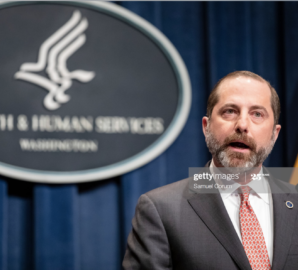
The Health and Human Services department is continuing plans to undo antidiscrimination provisions of the Affordable Care Act.

Pandemic-related lockdowns disproportionally burden women. By asking the right questions, policymakers can create policies that alleviate that burden.

As men have increased their research while home these past couple months, women have lowered their submissions to academic journals, indicating that women are less able to do their research while in stuck in the house.

The many unnecessary barriers to abortion access in the U.S. have grown exponentially during the pandemic, forcing providers and patients to adapt.

Countries like Spain, France, the UK, Argentina, and Norway have devised schemes that allow women to seek help without alerting their partners.

The coronavirus pandemic has led to a massive surge in child abuse material being uploaded, according to a story from the Fuller Project for International Reporting co-published with the UK Telegraph.

The COVID-19 shutdown is wreaking havoc on child visitations and family reunification.

The disparate impact of the coronavirus on Black women is revealing and deepening existing inequalities. Fighting it requires an intersectional approach.

In a country not known for its empowerment of women—or for its health system—five teenage girls are tackling Afghanistan’s coronavirus outbreak head-on.

Low-paid women workers have been devastated by the displacement cause by the pandemic. Advocacy groups are rallying to help them.

Advocates are sounding the alarm about the risks of the new coronavirus spreading inside correctional facilities.