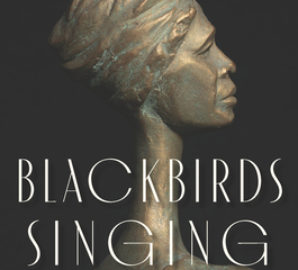
A new book, “Blackbirds Singing,” offers a collection of speeches and quotations from African American women who have fought back against their words being distorted, trivialized, and ignored.

During Black History Month, at a time when Black history is being banned in schools, we remember the mothers of the reparations movement.

An initiative to digitize and reorganize the archives of The Afro American, the United States’ longest-running Black-owned newspaper, will give scholars, journalists, and the public new insights into history.

The author, Wells’ great-granddaughter, aims to introduce the journalist, activist, and anti-lynching leader “to a younger generation and other people who might not be as familiar with her life.”

Now that Justice Amy Coney Barrett has taken her seat, the ultraconservative court appears poised to curtail the Affordable Care Act and reproductive rights. The damage can be addressed with action at the local level.

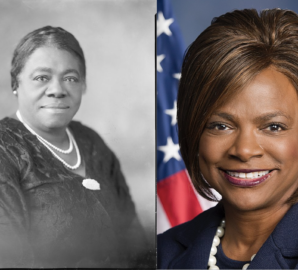
Despite the unfulfilled promise of the 19th Amendment, Black women have traveled an impressive distance over the last century, and continue to exert outsize political influence.

“Remember the true meaning of Juneteenth — a celebration kept alive by generations of black people.”

The disparate impact of the coronavirus on Black women is revealing and deepening existing inequalities. Fighting it requires an intersectional approach.

These recent works by Black women historians challenge conventional narratives of the history of the United States.

Although media attention to the problem has waned, the harsh reality is that between 64,000 and 75,000 Black women and girls are currently missing in the U.S.

Beyoncé’s choice to place Black womanhood at the center of her new Netflix documentary, Homecoming, is a powerful form of social resistance.

In recent years, a number of new studies have shed light on the scope and reality of the continuing HIV crisis among Black women in the United States. The high rates of infection have left experts and advocates scrambling to ensure Black women are receiving the medical care they need.

Cooper's new book, Eloquent Rage, explores how women's anger can fuel social and political change.

Writer Asha French adds some missing context to the journey to self-acceptance shown in the Netflix movie.

We must be intentional about preventing the erasure of black women’s history.

The commission found that lack of representation fueled media stereotypes and distortions. Half a century later, those stereotypes persist.

Harper was an outspoken activist for decades on abolition, temperance, public education, voting rights, and women’s equality. Why isn't she a household name?
As the Emanuel Church shooting makes painfully clear, the young generation has learned many of the same lessons about race as their elders.