
















Misinformation and false claims about the safety of abortion are proliferating and becoming key components in legislation, litigation, and regulatory policy.
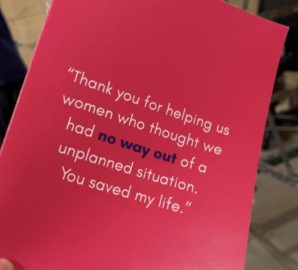
“I planted abortion pills across Malta. Here is why.”

Moms.gov is not about mothers or health, but about promoting the administration's pet policies on women.
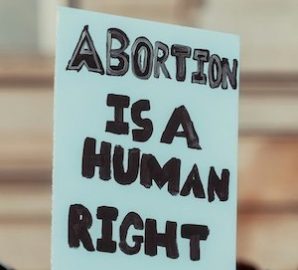
Lessons from movements in other countries can help activists in the United States mobilize to expand access to reproductive rights and care.

The increased presence of Immigration and Customs Enforcement agents and the fear of detention and deportation have had chilling impact on access to care.

New tools are helping to fill a critical gap in information and education about sexual and reproductive health and rights.

A proposed rule change would bar Veterans Administration health care providers from offering abortion counseling and referrals.
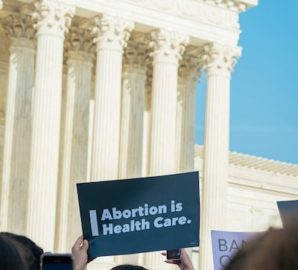
June 24 marks the third anniversary of the Supreme Court decision overturning Roe v. Wade. Three years on, as legislatures in some states impose severe restrictions, advocates and providers are fighting to keep abortion accessible.

Anti-abortion extremists are trying to revive an antiquated 19th-century law to block access to abortion, but new proposed legislation would weaken the law’s effect.

Seven U.S. states have passed new ballot initiatives to protect abortion rights, but access still looks different in each of those states.

The films, released during the 2024 election campaign, take very different approaches to explore the consequences of the overturning of Roe v. Wade.
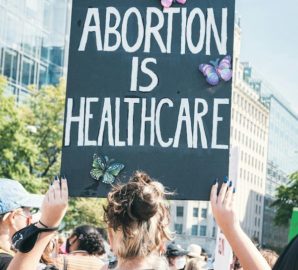
People who are marginalized on the basis of race, gender, gender identity, disability, socioeconomic status, and other factors need policies to support our ability to make decisions about our own reproductive lives.

Advocates are finding that in many states, ballot initiatives are an effective way to restore, protect, or expand abortion rights and access. At least 10 states will see abortion questions on their ballots this year.

Organizations that provide services and information have reported digital suppression of abortion information: “The Fight for Abortion Access Is Moving Online.”

“The Dobbs ruling is further accelerating an existing crisis, putting pregnant people at even greater risk of arrest, prosecution, and conviction.”

Since the Supreme Court overturned Roe v. Wade one year ago, abortion bans and restrictions have resulted in a wide range of negative impacts on obstetric and gynecological care.

Since Roe v. Wade was overturned, abortion funds have adapted to the changed landscape to help keep abortion accessible despite restrictions.

Providers are gearing up for a possible ban on one of the two drugs used in medication abortion, as an anti-abortion group's lawsuit is expected to be decided this week.

Mifepristone will be accessible in pharmacies and through the mail, but still-existing regulations may blunt the new policy’s impact.

Five months after the Supreme Court’s Dobbs decision overturned Roe v. Wade, providers face increased threats and harassment, emotional devastation, and the anguish of having to turn people away from accessing needed care. But they are determined to continue their work.

Plaintiffs in three states are seeking to overturn abortion bans on religious grounds.

Progress has been slow and unsteady, but activists are teaming up with elected officials to raise awareness and change laws.

What happens now? Advocates and organizations have been preparing for the overturning of Roe v. Wade.

There’s no question abortion rights are in a crisis in the U.S. This year alone, 42 states have introduced at least 536 abortion restrictions, with dozens becoming law. And that’s on top of last year’s devastating record of antiabortion laws passed, including the news-making Texas abortion ban that allows anyone — literally anyone — to sue someone who helps a patient receive an abortion, from the provider to an abortion fund to an Uber driver.

Amy Coney Barrett and other members of the Supreme Court have shown outrageous disregard for the real impact of pregnancy.